Michigan is one of the best agritourism states in the country, and most visitors only ever see a sliver of it. They drive to the same Detroit-suburb cider mill their parents took them to, buy a half-dozen warm doughnuts, and leave thinking they've "done" Michigan farm season. They've barely started.
The reason agritourism Michigan is so good is geography. Lake Michigan moderates the climate along the entire western shore, creating a fruit belt that lets orchards, vineyards, and berry fields thrive at a latitude that should be too cold for them. Layer on a deep dairy and grain tradition statewide, and you get a state where you can pick cherries on a peninsula in July, press cider near Detroit in October, and stay overnight on a working farm in between. The problem isn't supply. It's that the information is scattered across dozens of county tourism sites, none of which talk to each other. This guide pulls the regions together so you can plan by season instead of by accident.
The Four Agritourism Regions Worth Planning Around
Michigan is large, and "drive to a farm" means very different things depending on which corner you're in. Think in regions, not addresses.
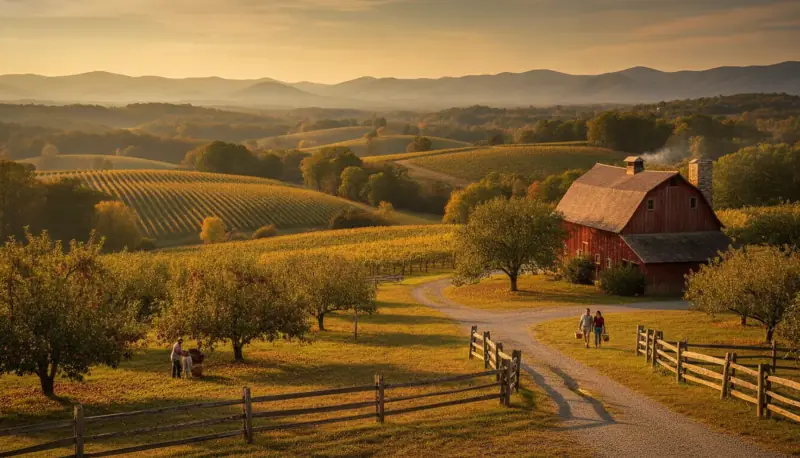
West Michigan Fruit Belt (Grand Rapids to the lakeshore). This is the apple heartland. The ridge country north and west of Grand Rapids grows a huge share of the state's commercial apples, and many of those packing operations run public u-pick blocks, farm markets, and cider presses on the side. If you want the widest variety of apple cultivars in one weekend, start here.
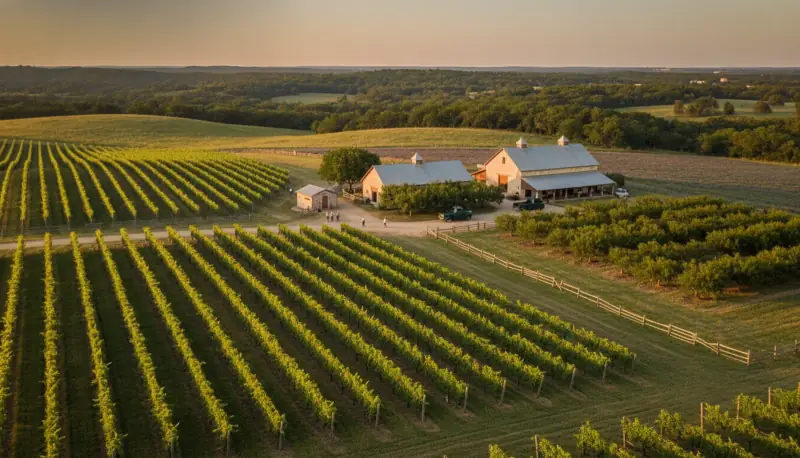
Traverse City and the northern peninsulas. Cherries first, everything else second. The Old Mission and Leelanau peninsulas are studded with orchards and wineries, and the microclimate that makes the wine good also makes the stone fruit exceptional. Traverse City farms tend to be more polished and tourist-ready than the workaday operations downstate. Expect tasting rooms, on-site bakeries, and U-pick that's been packaged into an experience.
Southeast Michigan cider corridor (Detroit metro and the thumb's edge). This is cider mill country, and several of these mills are genuinely historic, still running water-powered or century-old presses. It's the most crowded region on autumn weekends, so it rewards early arrivals and weekday visits more than anywhere else in the state.
Southwest Michigan (Berrien County and the Indiana border). Blueberries, peaches, and early-season everything. Because it's the warmest corner of the state, harvests here run a week or two ahead of the rest of Michigan, useful if you're chasing a specific fruit and the calendar is tight.
You can browse operators by region and filter for u-pick versus cider versus farm stay in our Michigan farm directory, which is the fastest way to confirm what's actually open before you drive.
Michigan Apple Orchards: How to Pick the Right One
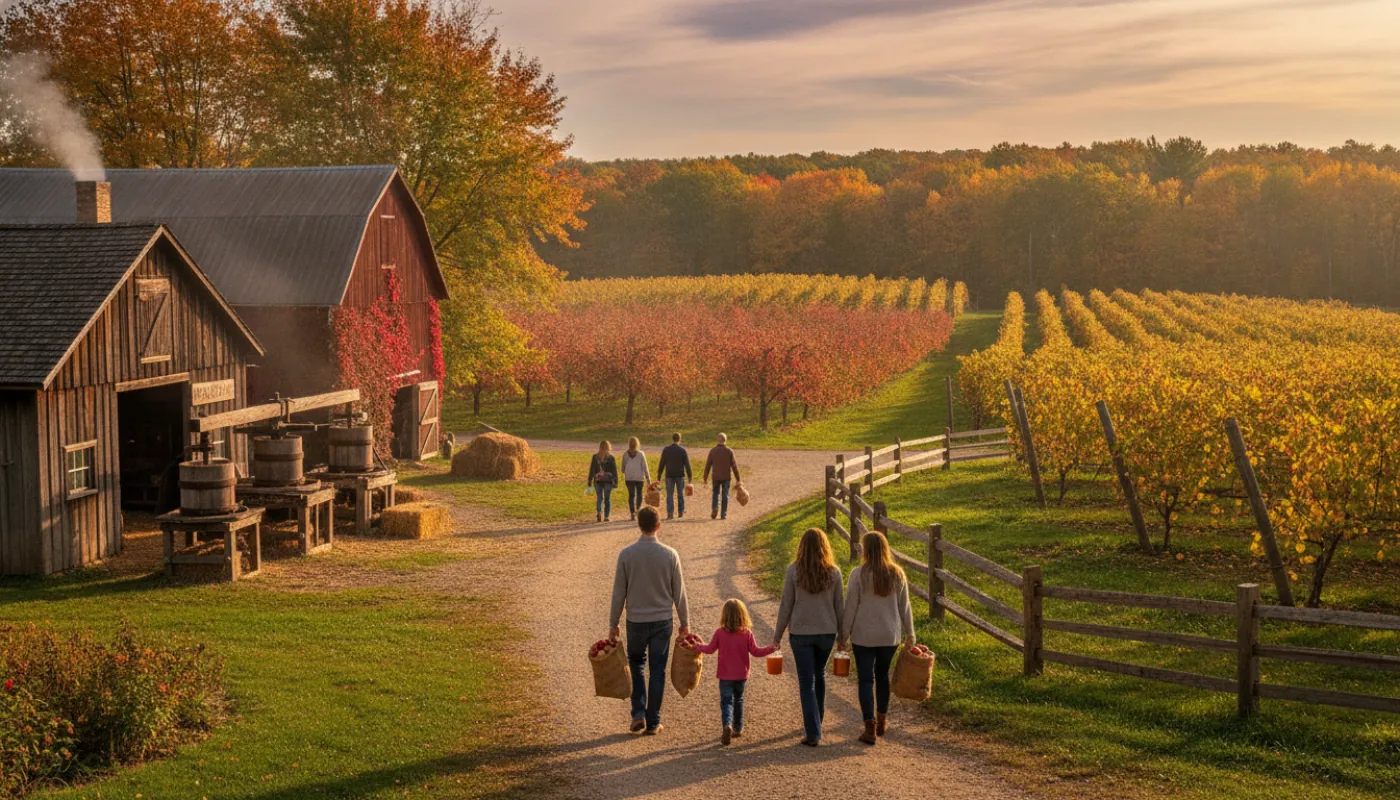
Not all Michigan apple orchards are built for visitors. Some are pure commercial packing houses that tolerate the public; others are designed top to bottom around the family-day-out experience. Knowing which you want saves a wasted trip.
If your priority is cultivar variety and price, head to a working orchard in the Fruit Ridge area. These growers often open a dozen-plus varieties to u-pick, rotate blocks as they ripen, and charge by the bag or the bushel. You won't find a hay-bale playground, but you'll find Honeycrisp, Gala, Jonathan, Northern Spy, and obscure heritage apples most grocery stores never stock.
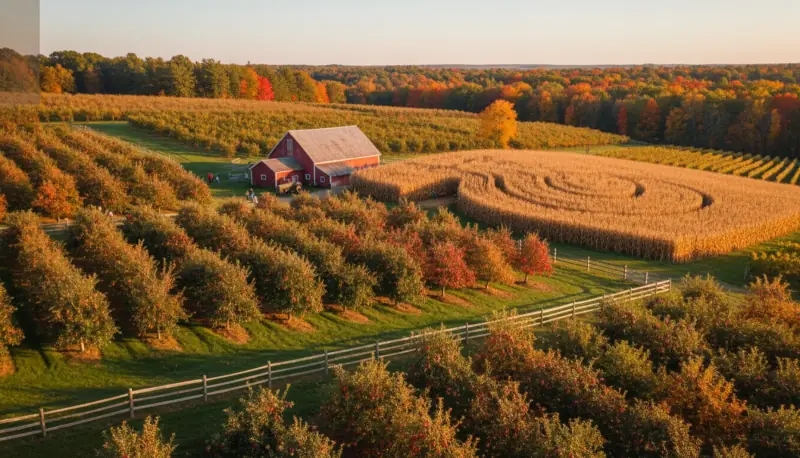
If your priority is a half-day with kids, look for orchards that advertise the full agritourism package: wagon rides, corn mazes, a farm market, and a bakery. These run an admission or activity fee on weekends, and that's the trade, you're paying for the experience, not just the fruit.
A few field-tested rules for any orchard visit:
- Call or check the listing the morning you go. U-pick blocks open and close as varieties ripen and get picked out. A farm that had ten varieties last weekend may have four today.
- Go early on weekends. The best blocks get thinned by noon, and parking at the popular operations becomes its own ordeal.
- Bring cash. Plenty of smaller Michigan orchards still run a card reader as an afterthought, and a few are cash-only at the u-pick stand.
According to MSU Extension, Michigan's apple harvest generally runs from late summer through the first hard frosts of fall, with peak u-pick across most of the state landing in September and October. Specific varieties open on their own schedule within that window, which is exactly why calling ahead beats trusting last year's calendar.
Michigan Cider Mills: The Real Thing vs. the Doughnut Stand
"Cider mill" gets used loosely in Michigan. Some are serious operations pressing fresh, unpasteurized cider on equipment that's been running for generations. Others are farm markets that buy cider wholesale and sell doughnuts. Both can be a fine afternoon, but if you came for the craft, you want the former.
What separates a real Michigan cider mill:
- They press on-site. You can see or smell the operation. The best mills will tell you which apple blend they're pressing that week, because the blend changes as the season progresses, early-season cider tastes sharper, late-season cider rounds out and sweetens.
- The cider is fresh and often unpasteurized. Note that unpasteurized cider carries the usual raw-product caution for very young children, the elderly, and anyone immunocompromised. Reputable mills label it clearly.
- The doughnuts are made there, not trucked in. A cider mill doughnut should be warm, cake-style, and rolled in cinnamon sugar minutes before you buy it.
The southeast Michigan corridor has the densest concentration of historic mills, several of which have been pressing for a century or more. They're also the most slammed on October Saturdays. If you can go on a weekday, or in the quieter shoulder of late September, you'll get the same cider with a fraction of the crowd.
U-Pick Michigan: A Season-by-Season Calendar
U-pick Michigan isn't just an autumn activity. The fruit belt produces something to pick from early summer straight through the first frost. Plan by what's ripe, and you can visit a farm nearly every weekend from June to November.
| Season | What's ripe | Where it's best |
|---|---|---|
| June | Strawberries | Statewide; southwest opens first |
| July | Sweet & tart cherries, blueberries | Traverse City peninsulas; southwest for blueberries |
| August | Blueberries, peaches, early apples | Southwest and West Michigan |
| September | Apples, late peaches, pears | West Michigan Fruit Belt |
| October | Apples, pumpkins | Statewide; southeast cider corridor |
| November | Late storage apples, pumpkins | Limited; call ahead |
A few things this table can't capture: ripening windows shift a week or two each year with the weather, and a wet spring or a late frost can compress or skip a crop entirely. The southwest corner consistently runs earliest because it's the warmest. The northern peninsulas run latest. If a specific fruit is the whole point of your trip, build in a flexible weekend rather than locking a date a month out.
How to Build a Weekend Around It
The mistake most people make is treating an agritourism trip as a single stop. The farms cluster, so chain them.
A strong West Michigan day: open at a Fruit Ridge orchard for u-pick apples in the morning, hit a farm market for cider and lunch, then end at a nearby cider mill in the afternoon. A Traverse City weekend writes itself, orchards and wineries sit minutes apart on both peninsulas, and a farm stay makes a natural base if you want two unhurried days instead of one rushed one.
If you'd rather sleep on the land than drive home, Michigan has a growing roster of farm stays, from converted barns to working dairy guesthouses. They book up fast for peak harvest weekends, so reserve early. You can find lodging-equipped farms alongside day-visit operators in the destinations directory.
Michigan's farm season is one of the best in the country precisely because it's so deep: four distinct regions, a five-month picking calendar, and a cider tradition that predates the state's freeways. Plan by region and by season, call ahead the morning you go, and skip the same suburban mill everyone else is sitting in traffic for. The good stuff is a short drive past it.
Run a Michigan orchard, cider mill, or farm stay? List your farm so visitors planning the season can actually find you.