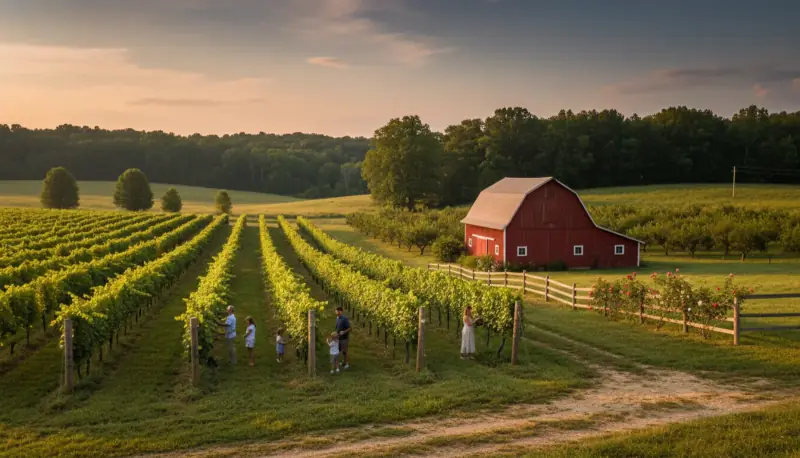
Virginia does agritourism better than most states, and it isn't an accident. The Commonwealth runs a coordinated Virginia Grown marketing program through its Department of Agriculture and Consumer Services, county tourism boards in places like Loudoun and Nelson actively map their farm trails, and the Blue Ridge gives all of it a backdrop that sells itself. The result is a corridor where you can pick apples in the morning, taste a flight of cool-climate reds in the afternoon, and sleep in a restored farmhouse, all inside a ninety-minute drive.
This guide is for travelers planning a real trip, not a Pinterest board. Below is how the Blue Ridge agritourism scene actually breaks down by category, when each one peaks, and the practical mistakes that ruin otherwise good farm days.
Why the Blue Ridge Is Virginia's Agritourism Heartland
Geography is the whole story. The Blue Ridge Mountains run northeast-to-southwest across Virginia, and the foothills on either side (the Piedmont to the east, the Shenandoah Valley to the west), sit at the sweet spot of elevation, drainage, and growing season that fruit and grapes want. Cooler nights at elevation preserve acidity in apples and wine grapes; the valley floors hold the deep soils that orchards and pastures need.
Layered on top of that is access. The northern Blue Ridge is within easy reach of the Washington, D.C., metro, which created enough weekend demand to support a dense cluster of farm businesses that simply doesn't exist in more remote agricultural regions. That demand is why so many Virginia farms diversified into hospitality in the first place: tastings, tours, U-pick, lodging, and events became a way to capture retail margin instead of selling commodity crops wholesale.
For visitors, the payoff is variety packed into a small footprint. You rarely have to choose between wine country and orchard country here. They overlap.
Virginia Wineries: Loudoun and the Monticello AVA
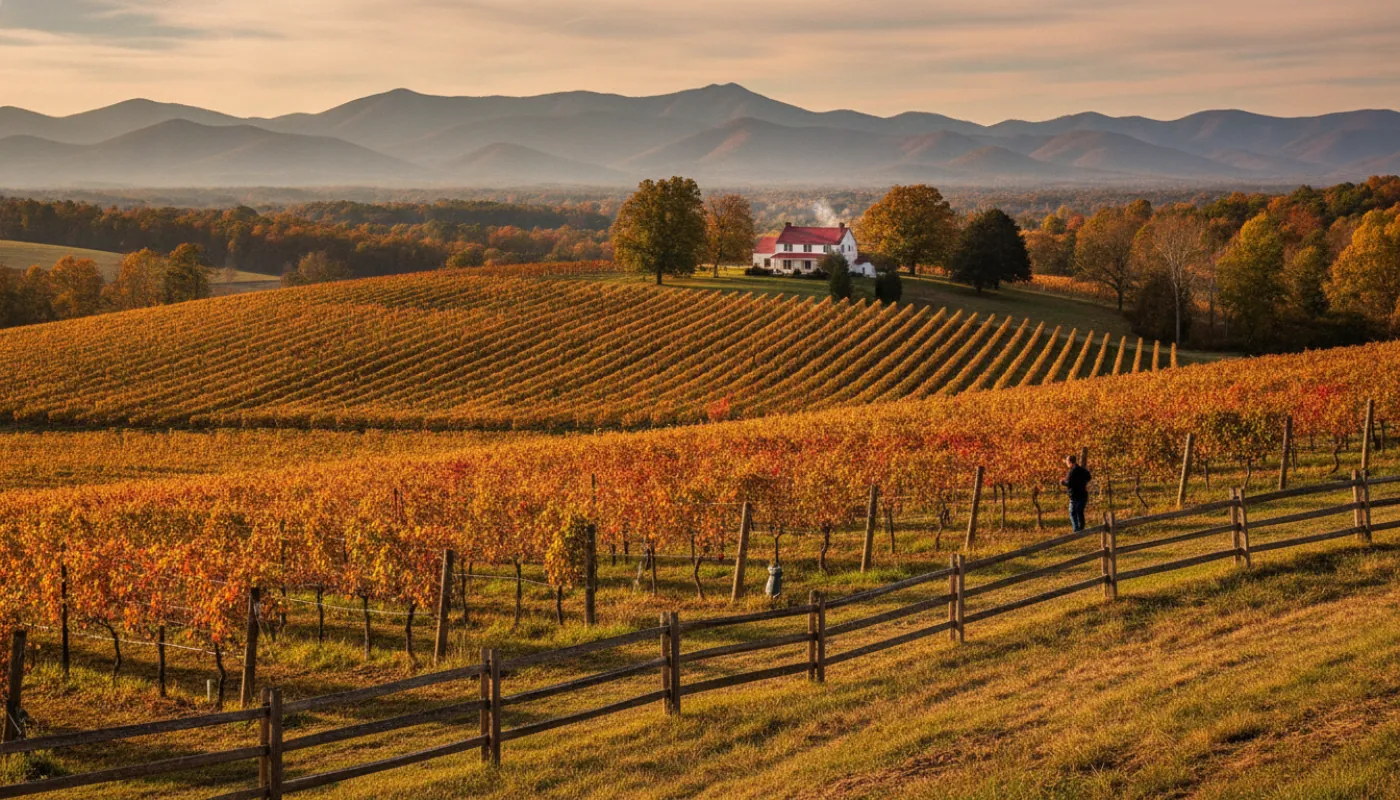
Virginia is consistently among the top wine-producing states in the country, and the Blue Ridge holds two of its most developed clusters. If you only have time for one, pick based on what kind of day you want.
Loudoun County: D.C.'s Wine Country
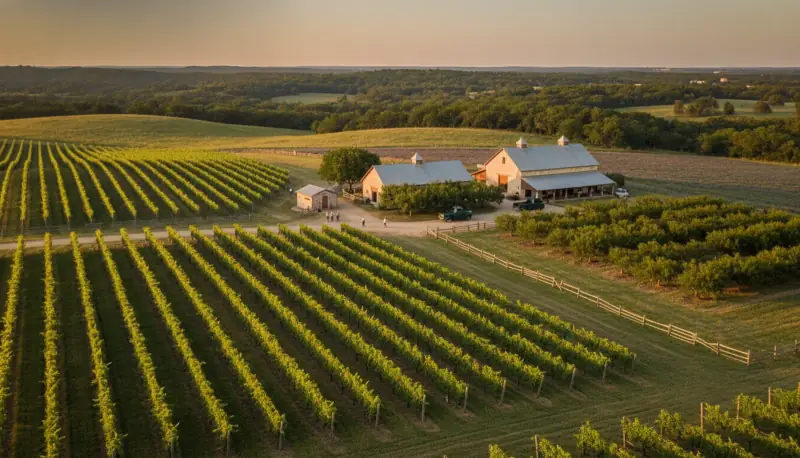
Loudoun markets itself, fairly, as "DC's Wine Country," and it has dozens of wineries within a short drive of one another in the rolling country around towns like Purcellville, Hillsboro, and Middleburg. The density is the draw, you can build a self-guided Loudoun farm tours day hitting two or three tasting rooms without spending your afternoon in the car.
A few hard-won tips for Loudoun:
- Weekends are crowded, especially the close-in spots. The wineries nearest the highway corridor fill up first. Drive another fifteen minutes west toward the mountain and the crowds thin noticeably.
- Many tasting rooms now require reservations. This shifted heavily in recent years; walk-ins are no longer a safe bet at the popular properties. Call or book ahead.
- Some are 21-and-over. If you're traveling with kids, confirm the family policy before you arrive. Several Loudoun wineries are deliberately adults-only on weekends.
Nelson County and the Monticello AVA
South and west, the Monticello American Viticultural Area around Charlottesville and Nelson County offers a different feel: more spread out, more mountain views, and increasingly tied to a beer-and-cider scene as well. Nelson's "Brew Ridge" reputation means you can mix a winery visit with a mountain brewery or a hard-cidery in the same loop, which is a smart move if your group isn't all wine drinkers.
The Monticello area also leans more agricultural-feeling than polished-event-venue, which suits travelers who want the farm to actually look like a farm. Tasting fees, tour availability, and hours vary widely by season here, so treat any single afternoon as needing two or three confirmed stops, not a vague plan to "drive around and see what's open."
Blue Ridge Orchards and U-Pick Seasons
The orchard calendar is where most visitors get tripped up. People show up wanting apples in July, or expecting peaches in October. Timing the Blue Ridge orchards is everything, because the fruit window for any given crop is often only a few weeks.
Here's the rough seasonal shape across the Virginia Blue Ridge. Exact dates shift year to year with weather and elevation, so always check the farm's own picking report before you drive out.
| Crop | Typical window | Notes |
|---|---|---|
| Strawberries | Late spring | Earliest U-pick of the year; short season |
| Cherries | Early summer | Brief, weather-sensitive window |
| Peaches & berries | Mid-to-late summer | Blueberries and blackberries overlap |
| Apples | Late summer into fall | The signature crop; many varieties stagger |
| Pumpkins | Fall | Peaks around the harvest-festival season |
A few realities worth internalizing:
- "Apple season" is not one date. Different apple varieties ripen weeks apart. A farm may be picking early varieties in late summer and premium late varieties well into fall. If you have a specific apple in mind, ask which week it's expected.
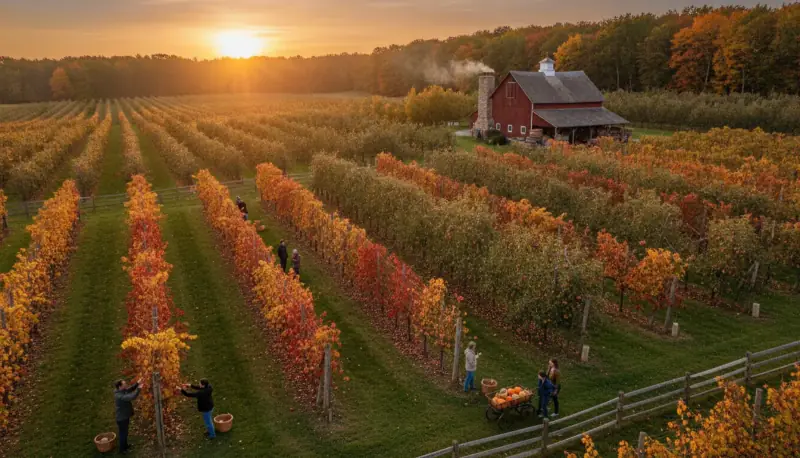
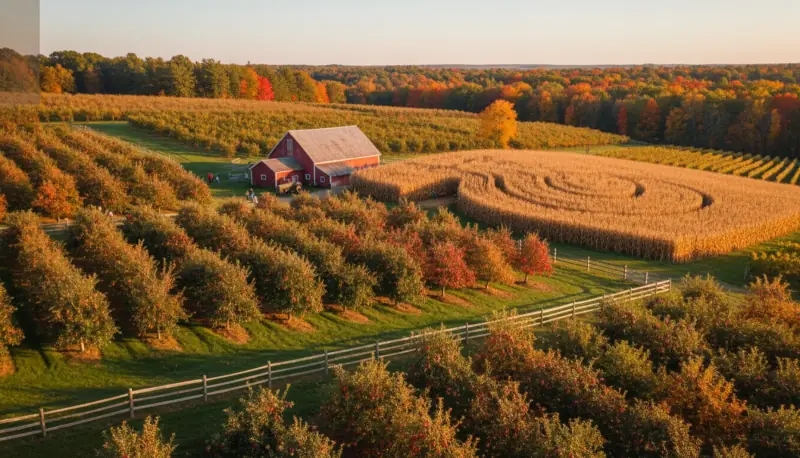
- Fall weekends are the busiest agritourism days of the entire Virginia year. Pumpkin patches, corn mazes, hayrides, and apple picking all converge. Go early in the day, and consider a weekday if you can.
- Weather closes orchards. A wet week can shut down U-pick fields to protect the rows. The picking report exists for a reason, read it the morning of.
Many Blue Ridge orchards have expanded into full family-day operations with cider donuts, farm markets, and play areas. That's great for kids and brutal for parking. Arrive before the late-morning rush.
Virginia Farm Stays: Sleeping on the Land
If you want the slow version of this trip, book a farm stay. Virginia farm stays range from a private cottage on a working cattle operation to a restored farmhouse on a vineyard to a glamping setup overlooking the valley. The category has grown quickly because lodging lets a farm capture an overnight guest's full day instead of a two-hour tasting visit.
Set expectations before you book:
- "Working farm" means working farm. Roosters, early tractor noise, livestock smells, and farm dogs are features, not bugs. If you want a quiet boutique-hotel experience, a true working farm stay may not be it.
- Confirm what's included. Some stays include farm breakfasts or eggs and produce; others are self-catered cottages where the nearest grocery is a long drive. Ask.
- Activity access varies. Staying on a vineyard doesn't automatically mean free tastings, and staying near an orchard doesn't guarantee picking on the property. Clarify what you actually get.
The strongest move is to use a farm stay as your base and day-trip out to wineries and orchards from there, it cuts the driving and lets you settle into one corner of the Blue Ridge rather than racing across it. You can browse lodging-capable properties alongside day-visit farms in our farm directory and filter the broader region from the destinations hub.
Planning a Blue Ridge Agritourism Trip
A good Virginia agritourism weekend is more logistics than luck. The farms are real businesses with real constraints, and the travelers who have a bad time are almost always the ones who treated the trip like a spontaneous drive.
Run through this before you leave:
- Confirm hours and reservations for every stop. Seasonal hours change without much notice. A phone call the day before saves a wasted drive.
- Build the day around timing, not distance. Tasting rooms open late morning; orchards reward an early arrival. Pick fruit first, taste wine after.
- Designate a driver. This is wine and cider country with rural two-lane roads. Plan the driver before the first pour, not after.
- Bring cash and a cooler. Some smaller farm stands are cash-friendly, and you'll want the cooler for fruit, cheese, and the bottle you couldn't resist.
- Check the weather and the picking report. Both can rearrange your whole plan, and both are knowable the morning of.
- Mind the festival calendar. Fall weekends and major wine-festival dates draw enormous crowds. Either lean in or deliberately avoid them.
Go in the shoulder seasons if you can. Late spring and early fall give you good weather, active harvests, and far smaller crowds than the peak fall weekends, the same farms, a much better day.
For Virginia Farm Operators
If you run a Blue Ridge winery, orchard, farm stay, or wedding venue, the visitors above are already searching for exactly what you offer, they just can't always find you. Getting listed where travelers are planning these trips, with accurate hours, seasons, and a current picking calendar, is the difference between a found-you-online weekend and an empty parking lot. If you want your farm in front of that planning audience, you can list your operation and join the directory travelers actually use to map the Blue Ridge.
Virginia built the infrastructure for this: the state program, the county trails, the geography. The travelers come ready. The only real variable is planning, on both sides of the farm gate.