The Southern United States is home to some of North America's most cherished agritourism experiences. From Georgia's famous peach orchards to Louisiana's historic sugar plantations and Tennessee's rolling vineyard landscapes, the region offers families and travelers authentic connections to agricultural heritage. Unlike crowded tourist attractions, agritourism in the South tends to remain intimate and operator-driven, most farms and orchards are managed by multi-generational families or small teams who take pride in their operations and know their land deeply. Whether you're seeking a U-pick experience where kids can fill their own baskets, a farm stay where you wake to roosters and pastoral views, or a guided tour through working agricultural operations, the South delivers authentic experiences across multiple seasons. This region's climate supports everything from early spring berry picking to fall pumpkin patches and holiday u-pick festivals.
Georgia's Peach Orchards & Berry Farms
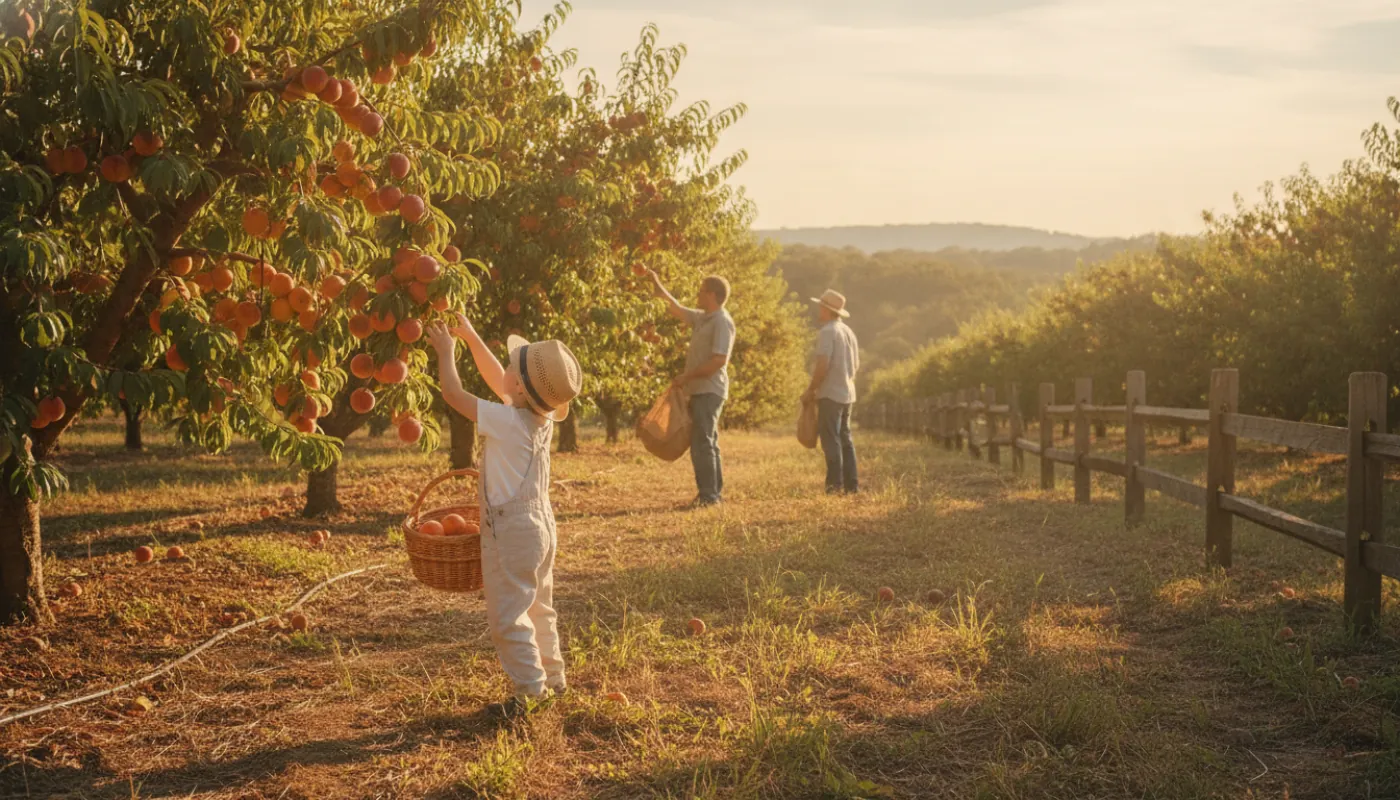
Georgia peaches are legendary, and the orchards responsible for that reputation welcome families year-round. The state's primary peach region centers on Fort Valley and Macon, where mid-sized orchards operate both as commercial suppliers and agritourism destinations. Visitors can tour working orchards from mid-May into early August during peak u-pick season, June and July are the heart of it, learn about the biology and care of peach trees, and purchase fresh fruit alongside preserves, pies, and baked goods. Many orchards also offer hayrides, farm-to-table meals featuring their own produce, and educational workshops on orchard management.
Beyond fruit picking, several Georgia agritourism operations have expanded into experiences that feel less like a commodity purchase and more like a cultural visit. Some orchards host farm dinners under the trees, combine orchard visits with craft beverage tastings at nearby producers, or offer multi-day experiences tied to seasonal harvests. The region's agricultural heritage runs deep; many farms have operated on the same land for decades and serve as genuine stewards of regional farming knowledge. Berry farms dot the region as well (strawberry operations in early spring, blueberry patches in summer), each with their own seasonal windows that align with family travel schedules. Check local orchard websites or agritourism directories to confirm u-pick availability before traveling, as weather and ripeness timelines shift yearly and some seasons fill quickly.
Louisiana's Sugar Plantation & Agricultural Heritage Tours
Louisiana's plantation agritourism is unique in the region because it combines agricultural operations with cultural and historical education. Sugar cane plantations, particularly around the Teche region and Acadian areas, remain working farms that welcome visitors to learn about cultivation, harvesting, and processing. Guided tours often explain the region's agricultural heritage alongside its cultural complexity, offering a more nuanced experience than conventional farm tourism. Many farms operate on seasonal schedules tied to harvest cycles; fall is the peak period when visitors can see cane cutting and processing infrastructure in action.
Beyond sugar operations, Louisiana boasts working dairy farms, rice farms across the southwest prairie parishes around Crowley (the state's rice country), and emerging specialty crop operations that welcome agritourism visitors. Farm stays in rural areas provide authentic accommodations where families can experience daily farm rhythms: early morning feeding times, equipment demonstrations, and farm-to-table meals prepared from that day's harvest. The state's strong food culture means many farms partner with local chefs and restaurants, creating experiences where agricultural production ties directly to dining. Louisiana's year-round mild climate means agritourism operates across seasons, though spring and fall tend to draw the largest visitor numbers and offer the most comfortable weather for outdoor activities.
Tennessee Vineyards, Orchards & U-Pick Operations
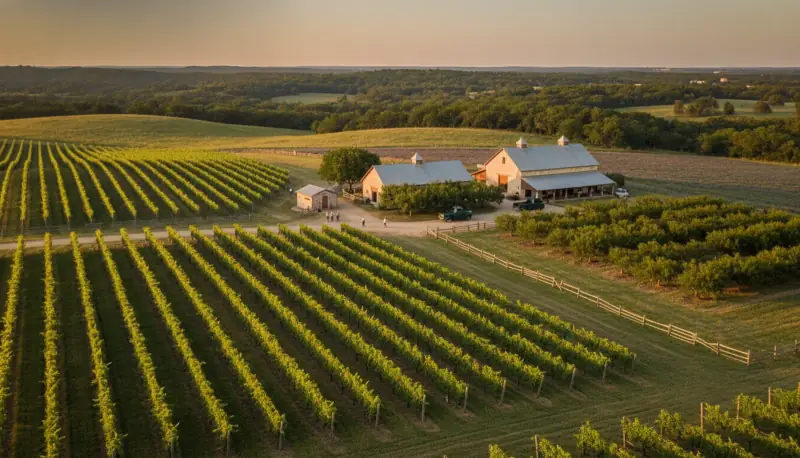
Tennessee's agritourism scene has expanded rapidly over the past decade, driven largely by wine operations in regions like Loudon County and the foothill areas surrounding Knoxville. Wine-focused farm visits often include tastings, orchard walks through mature trees, farm stores with regional products, and family-friendly grounds with picnic areas. Many Tennessee vineyards also operate apple orchards and berry patches as secondary enterprises, creating multi-activity destinations where families can combine a winery visit with u-pick fruit gathering. These operations tend to be owner-operated and medium-sized, preserving a less-commercialized feel than comparable East Coast wine regions.
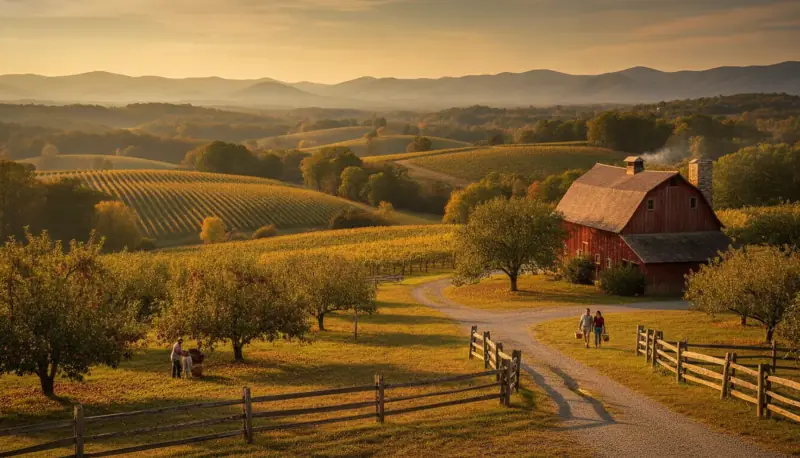
Apple orchards remain Tennessee's backbone agritourism asset, with major concentrations around the Cumberland Plateau and Smoky Mountain foothills. Peak season runs August through October, with September as the optimal month for ripeness and weather. Many orchards offer hayrides, cider-making demonstrations, and petting zoos for younger kids. Some have invested in agritourism infrastructure (farm cabins, event spaces, farm-to-table restaurants), making them multi-day destinations rather than a single afternoon visit. The region's higher elevation means cooler temperatures and longer growing windows for the tree fruits, and black walnut grows wild across the surrounding Appalachian valleys. Fall foliage combined with harvest activities makes Tennessee a naturally attractive regional agritourism hub.
Family-Friendly Farm Stays, Farm-to-Table Meals & Hands-On Activities
Farm stays have become increasingly popular across the South, offering families immersive experiences beyond day visits. These accommodations, ranging from simple farmhouse rooms to purpose-built cottage clusters, place visitors directly into the farm environment. A typical day might include participation in routine farm work (feeding animals, vegetable harvesting, equipment operation), meals prepared from farm-produced ingredients, and evening social time where hosts share farm history and agricultural knowledge. Most farm stays are managed by operator-families who take pride in hospitality and tailor experiences to visitor interests and ages.
Hands-on activities are what distinguish premium agritourism from commodity u-pick. Families might participate in cheesemaking at a dairy farm, help harvest vegetables for a farm-to-table dinner that same evening, bottle honey at a farm that keeps bees, or assist in seasonal tasks like canning or crop preparation. These activities create tangible memories and teach kids where food actually originates. Farm-to-table dining is now standard at many mid-sized Southern operations, where chefs or owner-operators prepare meals using that day's harvest. The practice turns eating into an event and reinforces the farm's role as a complete agritourism destination rather than just a fruit stand or orchard walk.
Seasonal Planning & Timing Your Southern Agritourism Visit
Timing is critical to successful Southern agritourism. Spring (March–May) brings strawberry and early berry seasons in Georgia and surrounding areas, plus emerging spring vegetables across the region. Late spring also marks the start of farm-stay season and the opening of casual u-pick operations. Summer (June–August) concentrates on peaches, blueberries, stone fruits, and early corn operations; many families plan trips during school breaks. Fall (September–November) is peak agritourism season: apple and pear harvests, pumpkin patches, hayrides, and cider events draw large crowds. Many farms add temporary activities and extended hours during fall. Winter (December–February) sees reduced u-pick operations but holiday farm experiences and winter farm stays still function for travelers seeking quieter, more intimate visits.
Before booking any farm visit, verify operating schedules directly through farm websites: ripeness, weather, and labor availability shift yearly. Many farms require advance registration for certain activities or offer significant discounts for group bookings. If planning a farm stay, book 2–3 months ahead during peak seasons; off-season visits often feature better availability and intimate experiences. Pack weather-appropriate clothing even if the forecast looks clear, farm sites are often muddy or unexpectedly sunny. Finally, confirm whether your chosen operation is actively hosting during your intended travel window, as some operations reduce agritourism during years when harvest demand is particularly high.