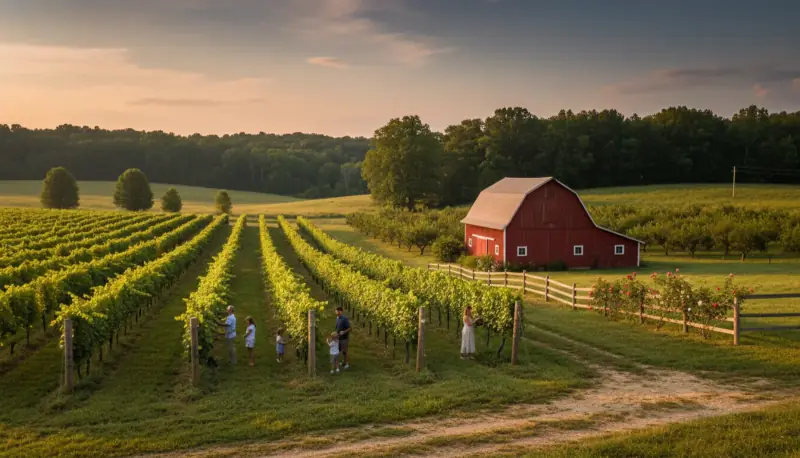
The Pacific Northwest has quietly become one of America's most compelling agritourism destinations. From lavender fields in full bloom to u-pick berry operations and farm-to-table experiences, Oregon and Washington offer year-round opportunities to connect with food production and land stewardship. Unlike more established regions, the PNW's agritourism model emphasizes authentic, operator-run experiences over mass-market tourism. Farm stays offer home-cooked meals and direct land access; vineyards and breweries are owner-operated tasting rooms, not corporate events centers; and u-pick farms welcome visitors into the actual work of harvest. The region's dramatic landscapes, proximity to major cities, and genuine farming culture make it ideal for travelers seeking agricultural immersion without the crowds.
Why the Pacific Northwest Is Agritourism Country
The temperate climate, volcanic soils, and abundant rainfall of Oregon and Washington create ideal conditions for an extraordinary range of crops. Hazelnuts, wine grapes, berries, apples, pears, lavender, and hops all thrive here, and most farms have embraced agritourism as a natural extension of their business. What distinguishes PNW agritourism from other regions is the seasonal rhythm and the genuine relationship between operators and visitors. Spring brings cherry and apple blossoms; summer delivers u-pick berries and lavender in full bloom; fall means harvest festivals and cider releases; winter opens quieter agricultural tours and holiday markets.
The farming culture here also differs markedly from the South or Midwest. PNW farmers tend to be younger, educated, and deliberate about their lifestyle choice. Many are second-generation or newer to agriculture, bringing innovation and hospitality alongside tradition. This means farm experiences feel less like historical reenactment and more like conversations with people who genuinely love their work. A winemaker will pour their own wines and explain their philosophy. A lavender farmer will walk you through the distillation process. A berry farmer will let you taste warm fruit straight from the plant and explain which varieties suit jam versus fresh eating.
Seasonal Experiences and Signature Crops
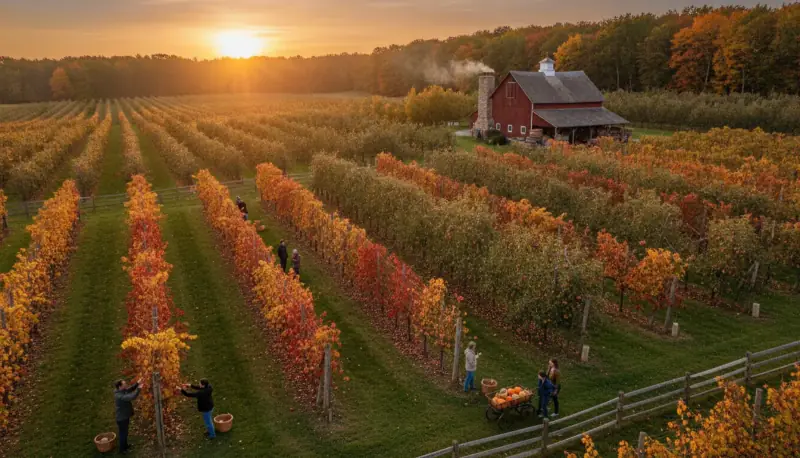
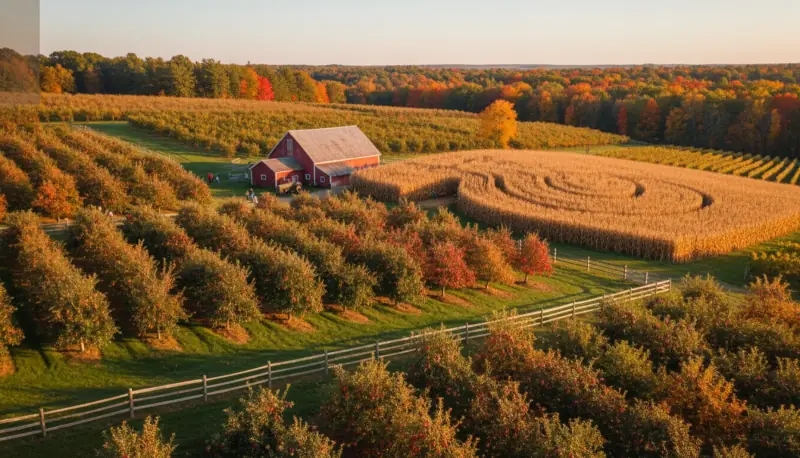
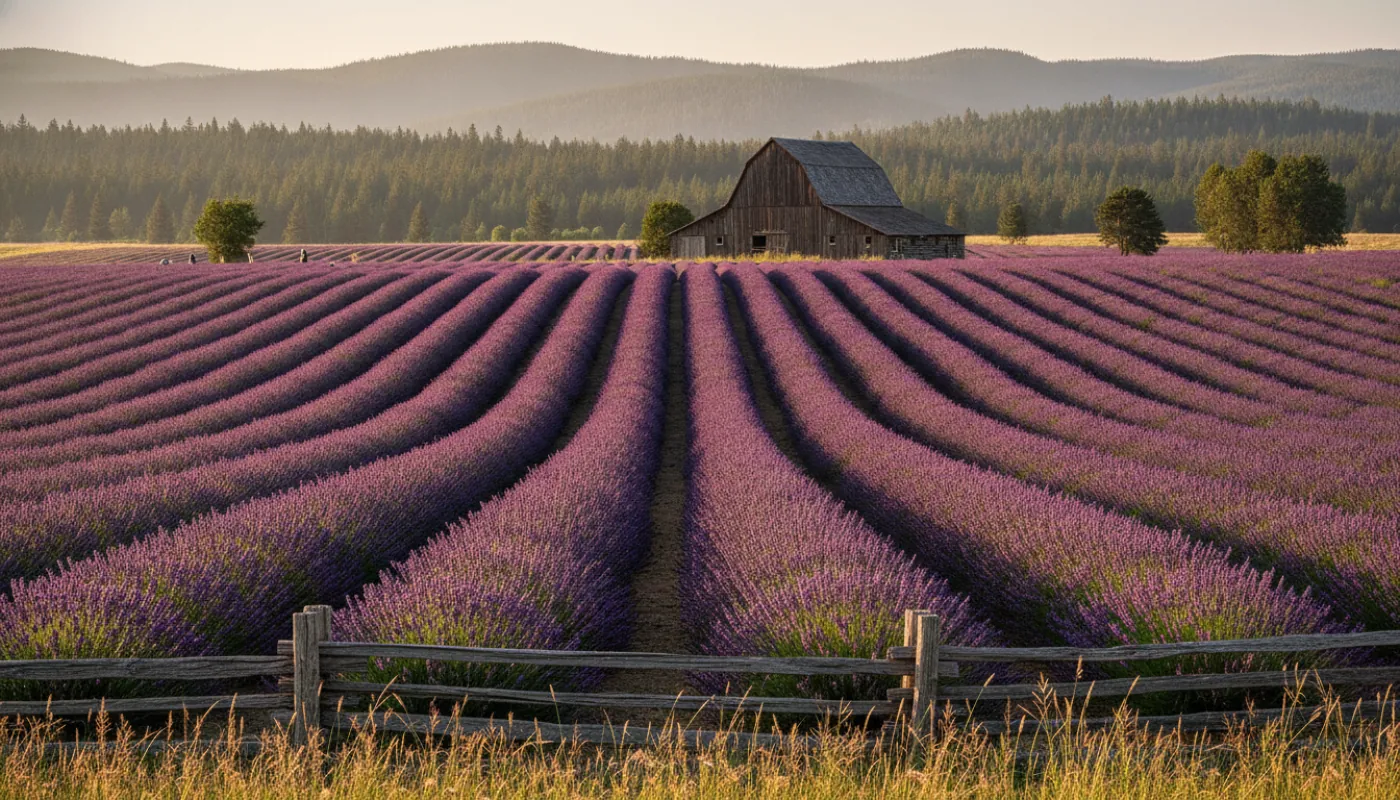
The PNW's agricultural calendar is the foundation for planning memorable visits. Lavender blooms (primarily in Oregon's Willamette Valley and Washington's Sequim/Dungeness Valley (Clallam County, the "Lavender Capital of North America")), peak in July and early August. Visitors walk endless purple rows, experience the fragrance in the air, and take home fresh or dried bundles. Many lavender farms run essential oil distilleries on-site, allowing visitors to see how flowers become products and purchase farm-made goods. Beyond lavender, u-pick berry operations open in June with strawberries, followed by marionberries, raspberries, and blackberries through summer. September and October bring apple and pear harvests across Hood River and the Wenatchee Valley, where orchards often host pressing days so families can make their own cider.
What sets these seasonal experiences apart is integration with local food systems. A berry farm partners with a bakery to produce fresh jam. An apple orchard runs a cider house where visitors taste and purchase farm-made products. Hazelnut farms, still underexplored by tourists, offer tours of processing facilities and tastings of hazelnut oil, spreads, and chocolate. Breweries showcase local hops and grain. The farm becomes a node in a regional food network rather than a standalone activity, creating opportunities for deeper learning and direct economic support. This makes agritourism genuinely beneficial to farming operations themselves.
Vineyards, Breweries, and the Broader Farm Spectrum
Oregon's Willamette Valley wine country is relatively well-known, but most visitors miss the diversity of agricultural enterprises beyond wine grapes. Hazelnut operations, concentrated in Oregon, offer tours and tastings of hazelnut products. Breweries across both states use local hops, grain, and water to craft beers deeply tied to place. Many farms have diversified by adding tasting rooms or farm-to-table restaurants, turning a single crop into a complete visitor experience worth multiple hours or an overnight stay.
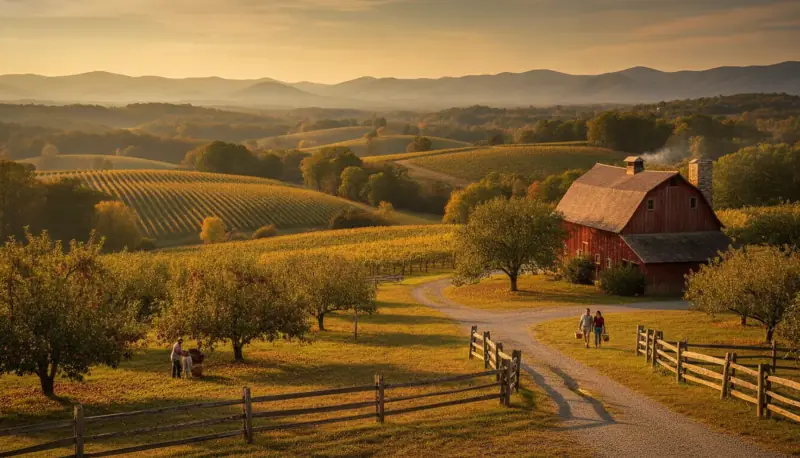
Farm wedding venues have also proliferated across the region, particularly on properties with Cascade views or rolling pastoral land. These venues welcome day visitors interested in exploring grounds or grabbing lunch at on-site restaurants. Artisanal food producers (dairies making cheese, producers making vinegar or fermented vegetables), often run farm shops or tasting experiences. This economic diversification means a single day can include a vineyard, brewery, cider house, and farm market within thirty minutes of each other, creating full agricultural immersion without monotony or repetition.
Planning Your Farm Escape: Timing and Logistics
Success with PNW agritourism depends on understanding seasonal calendars and being prepared for the region's geography. Most u-pick operations run April through October, with specific fruits available for four to six weeks. Lavender season peaks mid-July through early August. Winter (December–February) is quiet for u-pick but offers wine tastings, holiday farm markets, and harvest tours. July and August are busiest; visiting on weekdays or arriving early avoids parking challenges and long lines.
The PNW's farms are more spread out than compact wine regions, so plan a loop itinerary rather than criss-crossing. The Willamette Valley wine producers are relatively close, but berry farms, hazelnut operations, and orchards may require 30+ minute drives between stops. Call ahead or check social media for current harvest conditions; farmers are usually most responsive via Facebook for real-time updates. Prepare for outdoor conditions with sunscreen, water, sturdy shoes, and a cooler for fruit purchases. Farm stays should be booked months in advance for summer and fall weekends. Most farms lack extensive facilities, so arrive with realistic expectations about restrooms and amenities.
Making the Most of Your Time: Engagement and Lasting Memories
The best farm experiences happen through genuine interaction with the people who work the land. Strike up conversations with farmers, harvest crews, and other visitors. Ask about water sources, pest management, or the farm's history, topics most farmers are eager to discuss but rarely get asked about. Many farms offer workshops (cheese-making classes at dairies, distilling at lavender farms, or cider-pressing at orchards), that deepen understanding beyond standard tours.
Bring home tangible reminders that extend the experience: freshly picked fruit in a cooler, farm-made wine or cider, jam, honey, or seeds for your own garden. These purchases directly support the farm's business and carry memories into your kitchen. Respect the farm's photography policies and other visitors' space; ask before photographing people and avoid posing in ways that damage crops. Set aside time to simply sit and absorb the landscape: on a porch, in a picnic area, with soil beneath your feet. The real gift of PNW agritourism is access to land and the stewards who care for it, an opportunity increasingly rare in America.