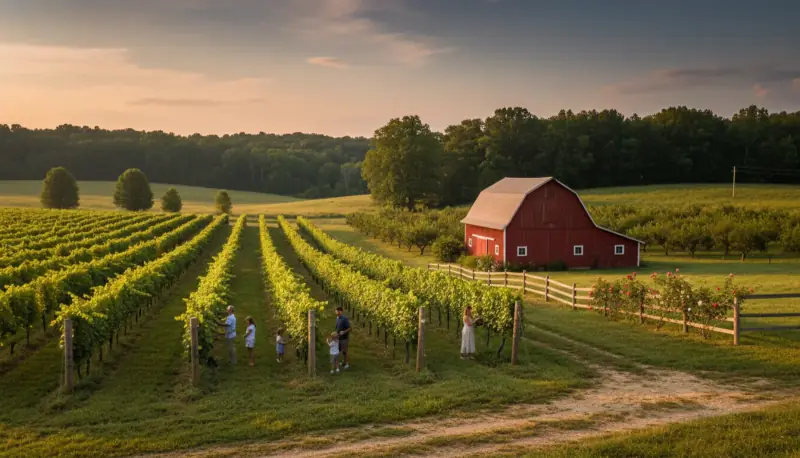
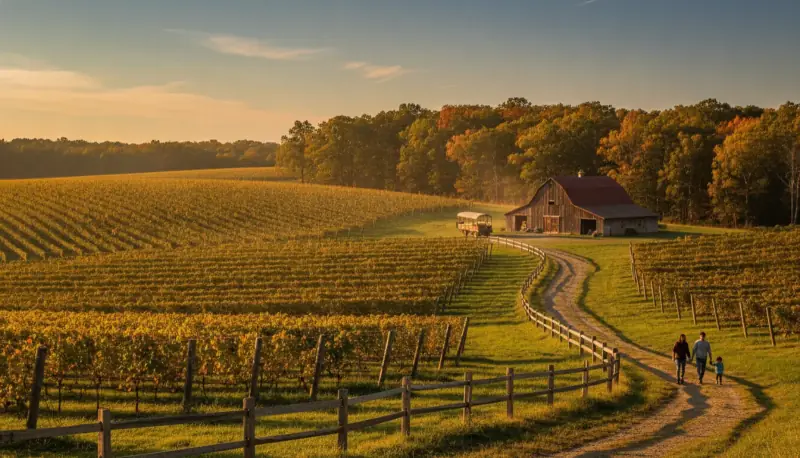
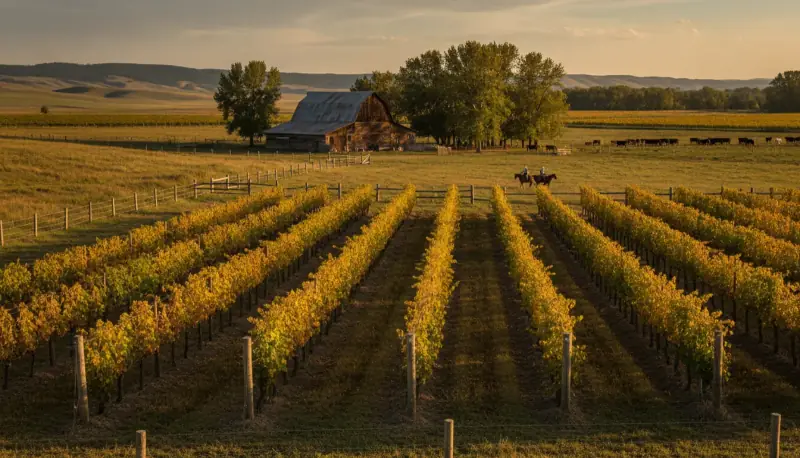
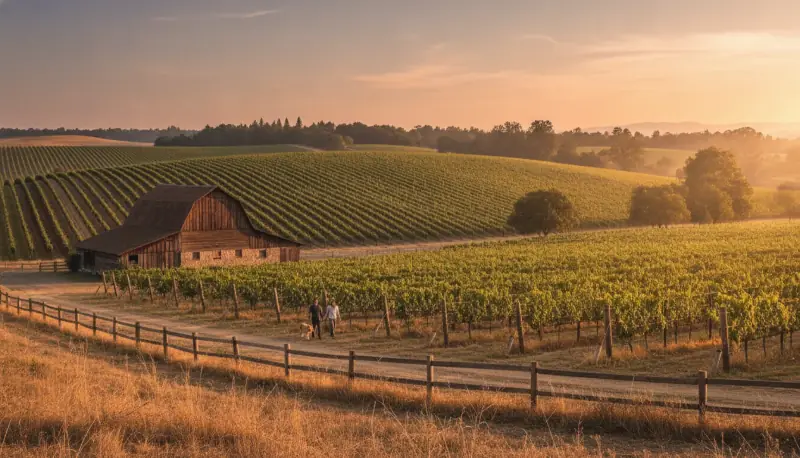
The Finger Lakes wine region stretches across eleven glacial lakes in central New York, and it's one of the few places in North America where you can wake up in a farmhouse overlooking rolling vineyards, spend the day harvesting apples or exploring tasting rooms, and fall asleep to the sound of cattle grazing in adjacent pastures. Farm stays here aren't boutique hotel experiences masquerading as farms, they're real agricultural properties where hosts depend on the land for their livelihoods and genuinely welcome guests into that world. Whether you're drawn to hands-on harvest seasons, quiet retreats between wine tastings, or the chance to understand how food and wine are actually produced, the Finger Lakes offers an unfiltered farm experience that most tourist regions can't match.
Why the Finger Lakes for a Farm Stay
The Finger Lakes earned its reputation as New York's wine powerhouse, but the region's real strength is the density and diversity of agricultural operations. Within a hundred miles, you'll find over eighty wineries, hundreds of family farms, u-pick orchards, craft distilleries, and specialty food producers. Unlike wine regions where farm stays cater primarily to oenophiles, Finger Lakes properties welcome visitors interested in the full agritourism spectrum: the woman managing a CSA distribution network, the family running fifth-generation dairy or fruit operations, the entrepreneurs experimenting with heritage grains and natural wine.
This mix means your farm stay experience scales to your interests. You might book a cottage on an orchard property and spend three days helping with seasonal pruning, or rent a historic farmhouse on a winery estate and stick to leisurely tastings. The region's infrastructure (restaurants, cultural venues, hiking trails, waterfront activities), is robust enough that you're never stranded if you want to venture beyond your host's property, but the farms themselves are compelling enough that many guests never leave. Spring brings lambing and planting; summer offers hands-on harvesting and farmers' markets; fall is the crush season for grapes and peak harvest for apples and pears; winter is quieter but hosts often use the season to share farm stories and planning over meals.
Types of Farm Stays: From Vineyard Cottages to Working Farms
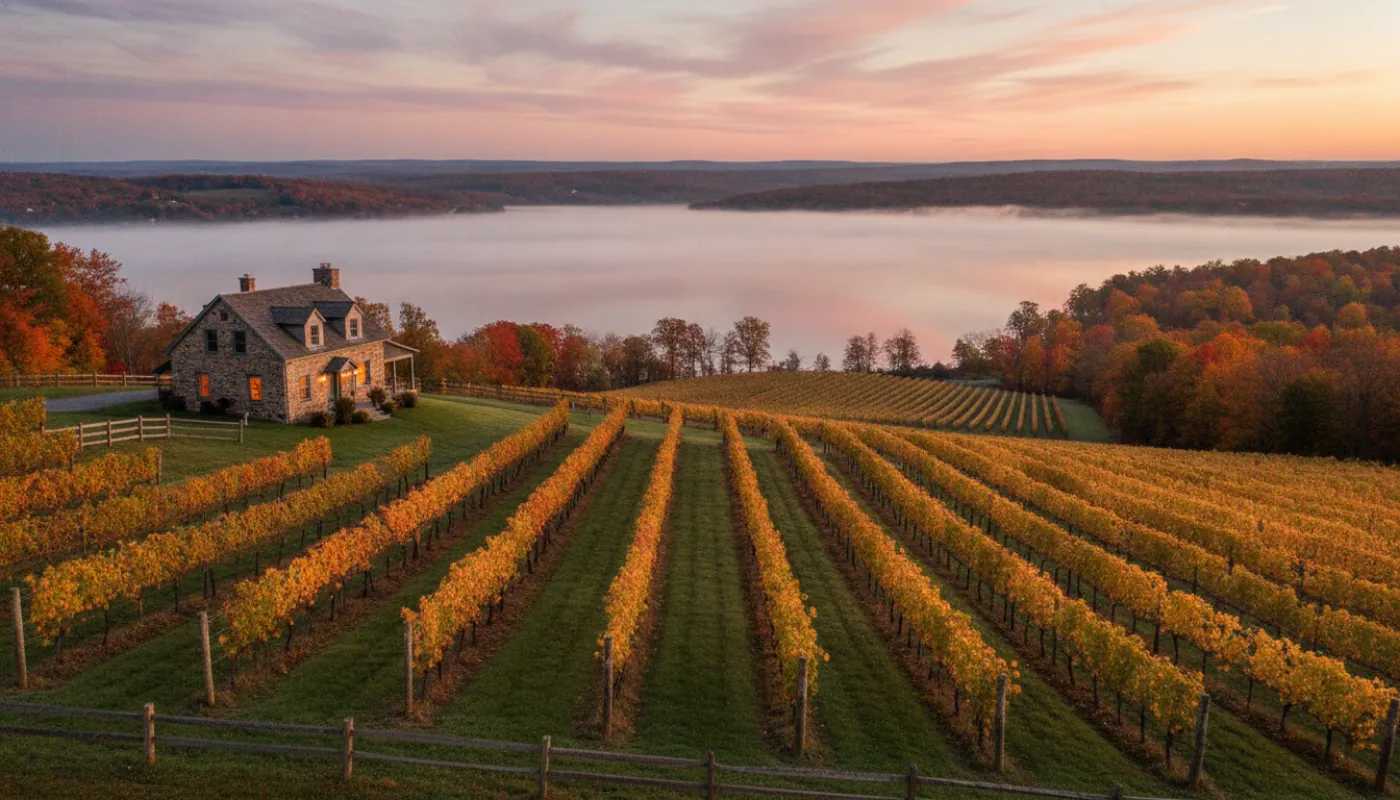
Finger Lakes farm stays fall into several distinct categories, each with a different flavor. Vineyard cottages and guest houses are the most common, purpose-built or renovated structures on winery property, usually with direct views of production areas or barrel rooms. These properties typically offer on-site tastings, sometimes curated experiences like harvest-day breakfast before crush, and the psychological comfort of knowing your host's business model is built on hospitality. They tend to be polished without being sterile, and they work well if you want proximity to wine production without the intensity of actual farm work.
Working farms offering lodging are rarer but significantly more immersive. These might be small dairy operations, diversified vegetable farms, orchards, or livestock ranches that open a guest cottage or apartment to fund other parts of the business. Expect authentic farmhouse aesthetics, potential early mornings (you'll hear animals, machinery, voices), and genuine opportunities to help with daily tasks if you want them. These hosts aren't performing hospitality as theater, they're running a farm and you're living alongside it. The payoff is access to the actual rhythm of agricultural work and the knowledge that your lodging dollars directly support someone working the land.
A smaller third category: agritourism compounds and farm-based B&Bs operated primarily for guest experience rather than as secondary farm income. These still have agricultural anchors (orchards, vineyards, market gardens), but the property is designed from the ground up to welcome visitors. They offer the highest comfort level and most structured programming but sometimes sacrifice the unvarnished authenticity of a primary-operation farm stay.
The Seasonal Experience: Timing Your Visit
Spring (May–June) is lambing and planting season; the region explodes into green and activity. If your farm operates livestock, you'll likely witness births and the chaos of rotating animals to fresh pasture. Vineyards are waking up (pruning decisions are being made, cover crops are being managed), but it's not yet the visual spectacle of summer. Spring stays work best if you're genuinely interested in the mechanics of early-season management rather than the romance of harvest imagery.
Summer (July–August) brings peak farm activity and peak tourist season. Farmers' markets overflow, u-pick operations run at capacity, and vineyard canopy management is in full swing. The landscape is lush, the days are long, and there's genuine comfort in the weather. Summer farm stays fill fast and command higher rates. You'll compete with families and wine tourists for bookings, but the abundance of on-farm activities, and the sheer visual beauty, justify the premium.
Fall (September–November) is harvest season and the high point for farm stay bookings. Grapes are being crushed, apples and pears are being picked, and the urgency in the air is palpable. Many farms offer hands-on harvest participation, whether as actual labor or as an organized experience, and the combination of activity, spectacular foliage, and cooler weather creates an almost perfect environment. Rates are highest here, and availability vanishes early. Fall is also when winery farm stays shine because the activity on the property is genuinely visible and involving.
Winter (December–April) is the quietest season. Many agritourism properties close or operate reduced hours. However, if you book a winter farm stay, you'll often get better rates, more direct access to hosts, and a genuinely peaceful experience. Some farms use winter for storytelling, hosts have time to share the history of their operation and their philosophy about land management. Winter is ideal if you're seeking retreat rather than immersion in active farm work.
What to Expect: Amenities, Activities, and Local Food
Farm stays in the Finger Lakes range from rustic (true farmhouse aesthetic, shared bathrooms, wood heat) to comfortable modern (private bath, full kitchen, climate control, WiFi). Clarify amenities before booking because the range is genuine. Most properties include some form of farm-to-table breakfast or access to farm products (eggs, cheese, preserved fruits, vegetables), but don't assume a full-service restaurant experience. Many hosts view meals as relationship-building rather than revenue stream.
Activities vary by property type and season. Vineyard properties typically offer tastings, cellar tours, or harvest participation. Vegetable and fruit farms often include u-pick opportunities, farmers' market access, or hands-on help with sorting, processing, or preservation. Livestock operations might include morning feeding, pasture walks, or lessons in animal husbandry. Some hosts organize group experiences: cooking classes using farm ingredients, wine and food pairings, educational talks on sustainable agriculture or regional food systems. Ask your host directly what's available during your stay; many activities aren't advertised because they depend on timing and weather.
The Finger Lakes food and beverage scene is operationally integrated with farm stays. You're close to independent restaurants that source locally, craft distilleries, cideries, and breweries operated by people you might meet at your farm. Farmers' markets run in multiple towns through fall. This proximity means your lodging becomes a base for exploring a genuine food system, not just eating at restaurants that claim to be farm-to-table.
Planning Your Farm Stay: Practical Considerations
Research thoroughly before booking. Read reviews from previous guests, but weight them appropriately, a comment that the property is "too rural" or "not fancy enough" might indicate it's exactly the right level of authenticity for you. Contact the host directly with specific questions about amenities, what farm work is actually available, dietary accommodations, and what to pack (farm stays often run cooler or warmer than you'd expect; ask about this). Confirm cancellation policies and whether you're booking a cottage with full independence or staying in the main farmhouse with shared spaces.
Plan for mobility. Many Finger Lakes farm stays aren't in walkable village centers: you need a car to reach restaurants, wineries, or trailheads. If you're traveling without a vehicle, confirm accessibility and transportation options before booking. Confirm accessibility broadly: ask about stairs, uneven ground, proximity to bathrooms if mobility is a consideration.
Budget accordingly. Vineyard cottages typically run $150–$350 per night; working farms and smaller B&Bs range $100–$250. Rates spike during fall harvest and peak summer weekends. Inquire about multi-night discounts. Understand what's included, some properties offer meals or farm products as part of lodging; others charge separately for experiences or meals. Factor in wine tastings, activities, and meals off-property.
Book early for fall, which fills eight to twelve weeks in advance. Spring and early summer have good availability. Winter offers last-minute flexibility and lower rates. Consider visiting during shoulder seasons (late April–May or September–October early) for good weather, fewer crowds, and moderate pricing.