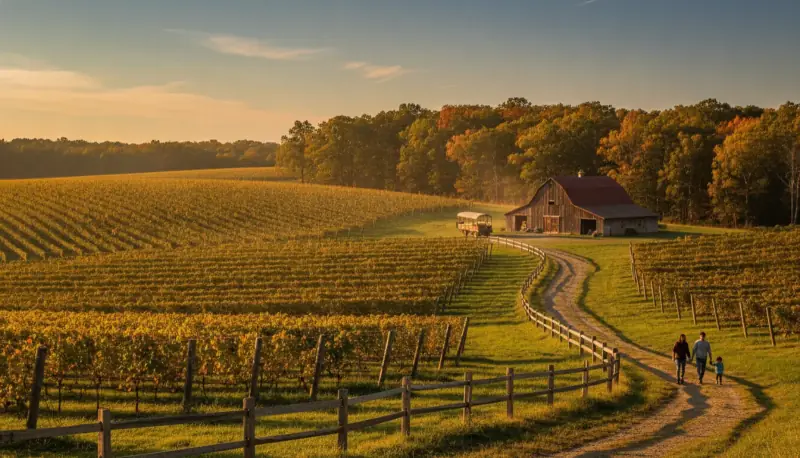
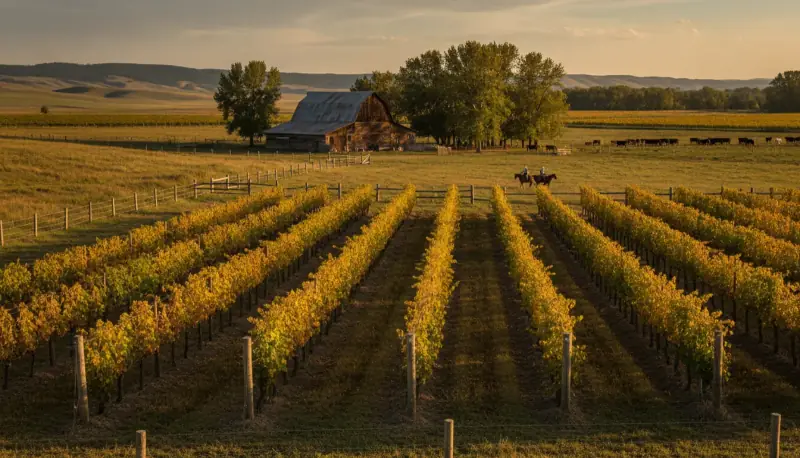
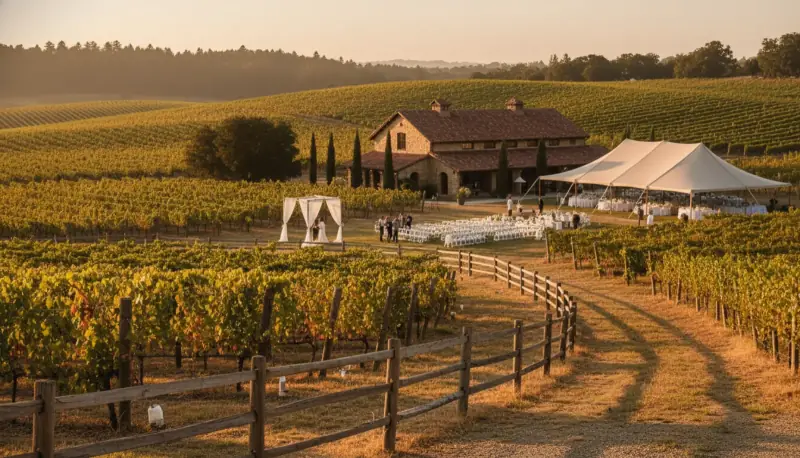
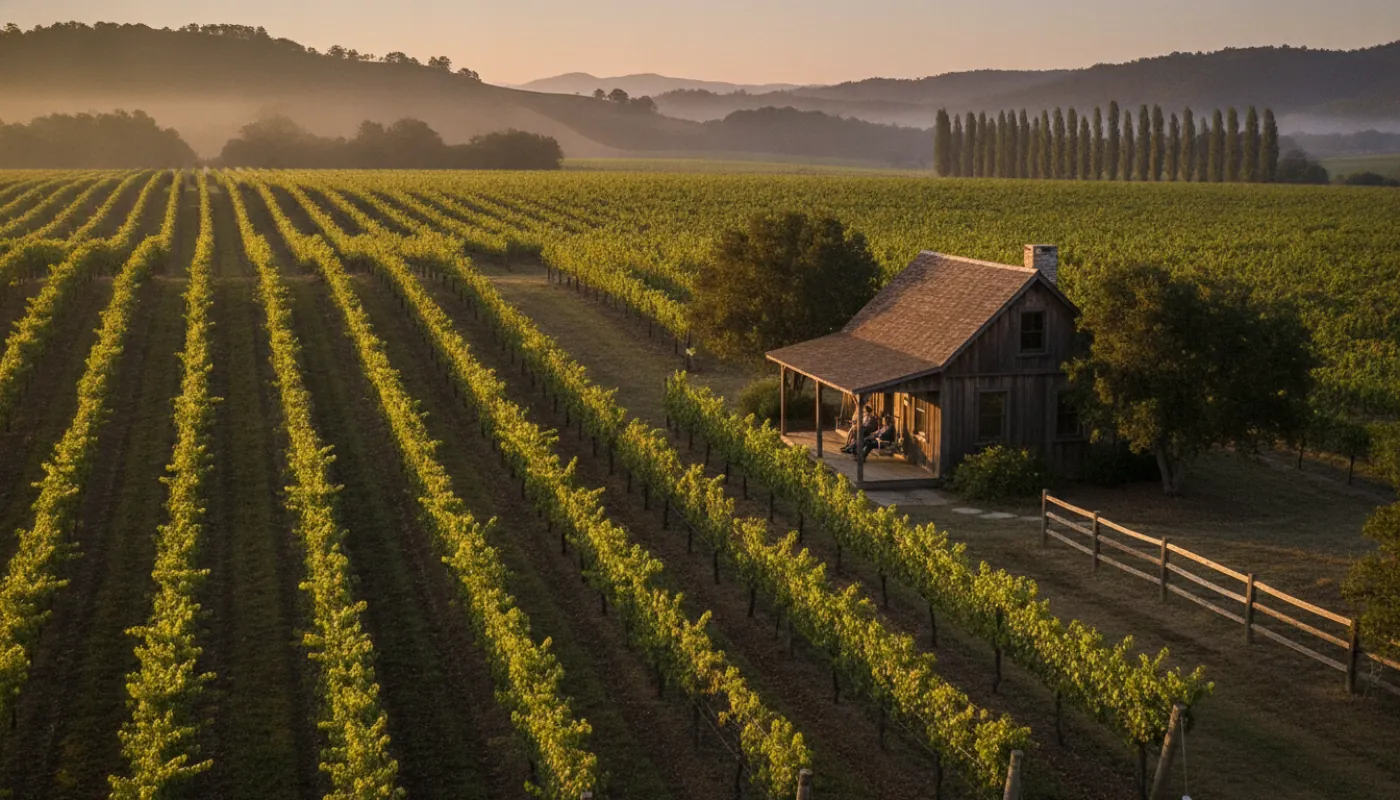
California's wine country offers something beyond the standard hotel-resort experience: the chance to stay directly on a working vineyard and participate in the rhythm of winemaking itself. Vineyard farm stays in Napa and Sonoma put you not just near great wine, but embedded in it: waking to vineyard views, walking among the vines, and often participating in harvest activities or wine-education sessions hosted by the families who own these properties. Unlike typical bed-and-breakfasts that happen to be located near wineries, true vineyard farm stays are working agricultural operations where your hosts are vintners, growers, or multi-generational farming families. These stays blur the line between accommodation and culinary tourism, offering an authenticity that wine enthusiasts actively seek. Whether you're a casual wine drinker or a serious collector, a farm stay on a Napa or Sonoma vineyard transforms a weekend into an education in terroir, viticulture, and the hands-on work that goes into every bottle.
What Vineyard Farm Stays Offer Beyond Standard Lodging
A vineyard farm stay is fundamentally different from a hotel near a winery. You're staying on land where grapes are actually grown, often in a cottage or guest house that's been renovated from an older agricultural building or purpose-built as a guest facility on the property. Many vineyard farm stays include meals featuring produce from the property itself, not just wine, but vegetables, cheese, honey, or bread made on-site or sourced from neighboring farms. This farm-to-table component is integral; you're eating the agricultural output of the place you're visiting, creating a complete sensory experience of the region.
The educational angle distinguishes these properties further. Many vineyard farm stays offer activities that hotels cannot: morning walks through the vines with the vineyard manager, harvest-season participation, winemaking classes, or intimate tastings led by the winery owner rather than paid tasting-room staff. Some properties time their stays to align with major vineyard events: veraison tours in late summer, crush-season cooking classes in fall, spring pruning demonstrations. This experiential component attracts travelers who see wine country as a destination for learning. The scale is also smaller: most vineyard farm stays accommodate 2–8 guests at a time, sometimes only one or two rooms, creating a genuinely intimate setting rather than a full resort experience.
Napa Valley's Vineyard Farm Stay Landscape
Napa's reputation as a premium wine region is reflected in its farm-stay offerings. The valley's vineyard farm stays range from rustic cottages on smaller family-owned estates to elegant guest houses on established wineries with multi-generational histories. Many Napa vineyard stays emphasize the valley's concentration of prestigious wine styles (Cabernet Sauvignon, Merlot, Chardonnay), and position stays around tasting opportunities with local producers.
Properties in the northern Napa area (Calistoga, St. Helena), the valley's warmest stretch and classic Cabernet Sauvignon country, tend toward smaller, more intimate operations producing Cabernet and other Bordeaux reds at modest scales. (For Pinot Noir, look south to cooler Los Carneros, where San Pablo Bay fog suits the grape.) Southern Napa properties (Napa town, Yountville area) frequently offer more formal experiences with higher price points and closer proximity to acclaimed tasting rooms and restaurants. The Oxbow Market and farm-to-table restaurant scene provide convenient dining options for guests. Practical considerations: Napa Valley has stricter tasting-room reservation systems than Sonoma, and many properties require booking several weeks in advance during peak season (May through October). The valley's road infrastructure supports easy self-driving between properties, though traffic congestion during harvest season is common on Highway 29. Plan for premium pricing and book 4–8 weeks ahead for summer and fall dates.
Sonoma's Farm-Stay Approach: Casual Accessibility and Diversity
Sonoma County's wine region presents a more relaxed alternative to Napa's formality, and its vineyard farm stays reflect this character. The region's diversity (with sub-regions like Dry Creek Valley, Russian River, and Sonoma Valley each producing distinct wine styles), means more variety in the types of farm stays available. Properties tend toward a balance between hospitality and working-farm authenticity, with many owners actively involved in daily vineyard or winery operations.
Sonoma's farm-stay landscape often includes operations smaller than Napa's; you'll find single-cottage properties on 20–30 acre vineyard plots, sometimes run by couples who handle both viticulture and guest hospitality themselves. This directly-from-the-source model appeals to travelers seeking unmediated interaction with winemakers. Sonoma also hosts a broader range of agricultural experiences beyond wine: several farm stays operate alongside goat dairies, olive groves, or herb gardens, allowing guests to understand the region's agricultural diversity. The coastal influence in areas like Russian River and Sonoma Coast produces cooler-climate grapes and attracts farm-stay visitors interested in how maritime conditions shape flavor profiles. Pricing is generally more accessible than Napa, with more sub-$200 options available, and booking windows are often shorter. Sonoma's town infrastructure (Healdsburg, Sebastopol, Guerneville) provides excellent walkable restaurant and retail options near properties.
Planning Your Vineyard Farm-Stay Experience: Timing, Expectations, and Logistics
The timing of your vineyard farm stay significantly shapes what you'll experience. The main vineyard calendar runs May through October: spring brings flowering and canopy management, summer is veraison and pre-harvest preparation, and fall is crush season. Many farm-stay properties emphasize harvest-season stays, allowing guests to observe or participate in picking and initial processing. Winter and early spring are quieter but often offer the lowest rates and the most relaxed atmosphere, you'll see the hard work of dormancy and pruning rather than celebration of harvest.
Realistic expectations matter significantly. Vineyard farm stays are working farms with guest accommodations, not luxury resorts. Properties may lack amenities standard to hotels; Wi-Fi may be spotty, and the experience is deliberately low-tech by design. Meals, when included, may have limited hours and set menus rather than flexibility. Most properties request advance notice for dietary needs. The physical environment is also agricultural: you may wake to roosters, smell equipment or compost, encounter mud during rainy months, and experience temperature swings in older buildings. Guests with mobility issues should confirm property layout directly: "farm stay" often means gravel driveways, stairs, and uneven terrain. Many vineyard farm stays require 2–3 night minimum stays and firm cancellation policies (often 14–30 days), reflecting the small-operation reality that cancellations significantly impact revenue.
How to Find and Book Vineyard Farm Stays That Match Your Interests
Finding the right vineyard farm stay requires intentional research. General travel platforms host many Napa and Sonoma properties, but these databases don't reliably distinguish between "house rental that happens to be in wine country" and an actual working vineyard farm stay with agritourism programming. Specialized agritourism directories and local tourism boards maintain curated lists, though accuracy varies. The most reliable method is direct contact: call or email properties to confirm they operate as working farms, what activities are available during your planned dates, and what the farm-stay experience concretely means for them.
Key questions to ask when vetting properties include whether this is a working vineyard or merely a house on former agricultural land, whether owners will be on-site during your stay, and what specific agritourism activities are available. Ask whether meals are included and prepared daily or on set schedules. Inquire about the vintage of wine tasting offered: are you tasting current releases, previous-year stocks, or cellar wine? Clarify the cancellation policy and what happens if weather impacts planned activities. Honest operators welcome these questions and clearly explain operations. Red flags include properties claiming to be "working vineyards" without active wine production, properties offering only canned tastings from other wineries, or properties that don't respond directly to specific operational questions. Farm stays run by actual winemaking families often share details about ongoing vineyard work, upcoming harvest dates, or specific wine styles they're producing, this transparency is a strong sign of authenticity.