Farm stays have become one of the most rewarding ways to step outside your normal life and experience agriculture firsthand. Unlike a hotel or resort, a farm stay puts you directly in the rhythm of rural work and family life. You're not observing farming from a distance: you're participating in it, eating meals alongside the people who grow your food, and sleeping in accommodations carved out of a working landscape. For first-timers, this proximity can feel both exciting and a little daunting. What's the day really like? How rustic is the lodging? Will I actually fit in? This guide answers those questions so you arrive prepared, realistic, and ready to embrace an experience you can't get anywhere else.
What Is a Farm Stay?
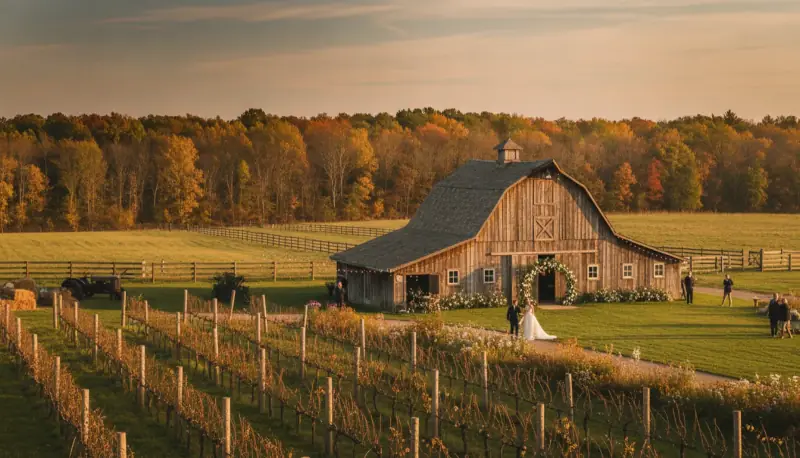
A farm stay is an overnight experience where guests live temporarily in or near a working farm, ranch, vineyard, orchard, or other agricultural property. Unlike agritourism attractions you visit during the day, a u-pick field you stop by for an hour, a farm stay is immersive. You're sleeping on the property, eating meals there, and often participating in daily agricultural work. The type of work and the structure of lodging varies enormously depending on the farm's crop, climate, and business model.
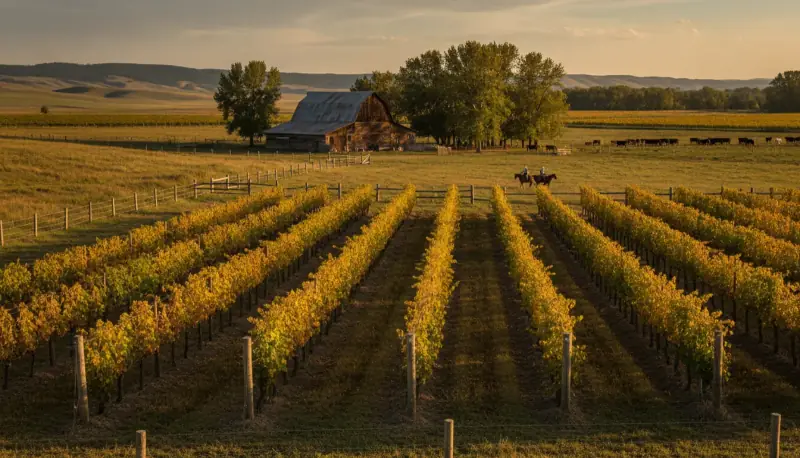
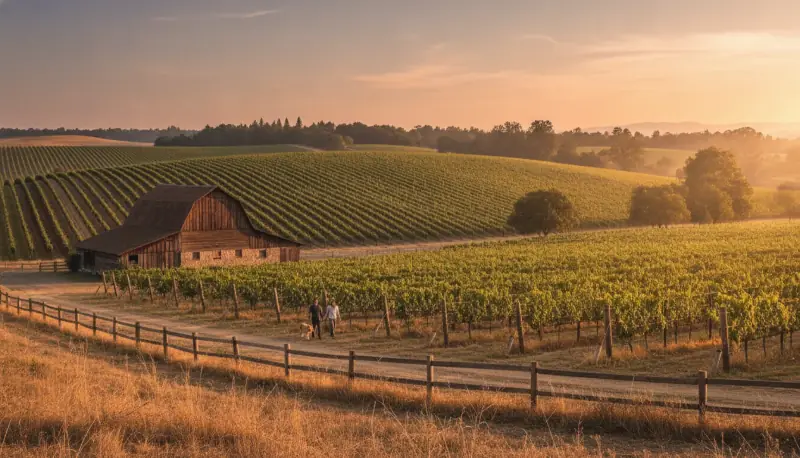
Some farm stays lean heavily toward the educational experience. A vineyard might invite guests to help with harvest during fall crush season, then explain the winemaking process over dinner. A vegetable farm might have morning work sessions where guests help pick vegetables or tend beds, followed by a cooking class where you prepare that day's harvest. Other farm stays focus more on relaxation and scenery: you're not expected to help much, if at all, but you're embedded in the farm's daily operations and culture. Orchards, berry farms, and Christmas tree farms sometimes offer seasonal experiences where the work rhythm defines the visit. A u-pick farm stay during pumpkin season, for example, gives you both the picking experience and the cozy autumn atmosphere of a working farm in its busiest month.
What to Pack and Prepare
The right packing list depends entirely on what kind of farm you're visiting, so your host's pre-arrival communication is crucial. Read their instructions carefully. If they mention early mornings and outdoor work, bring sturdy boots and work gloves, not as a costume, but because they genuinely help. Closed-toe shoes are standard on farms for safety reasons; open sandals create liability and expose your feet to cuts, insects, and mud.
Layers matter more than you'd expect. Even in summer, early mornings on a farm are often cool, especially if there's irrigation water or damp soil. Bring a light jacket and quick-dry pants. Sun protection (wide-brimmed hat, sunscreen, and sunglasses), is essential if you're working outdoors for hours. Farms often have limited amenities compared to hotels, so pack your own toiletries, medications, and any specific personal care items you need. Many farm stays provide basic bedding and towels, but some operate very simply. Ask in advance what's provided.
Mentally, prepare yourself for early mornings and physical work. Farms operate on natural light and biological rhythms, not hotel schedules. You might be eating breakfast at 5:30 a.m., or dinner at 5:00 p.m. Work sessions can be physically demanding. Expect to use muscles you haven't used in months. None of this is punishment; it's the reality of agriculture. Most farm hosts are experienced at scaling work to your fitness level, but bring an honest mindset: you're here to learn and participate, not to relax on a deck chair.
Daily Life on the Farm
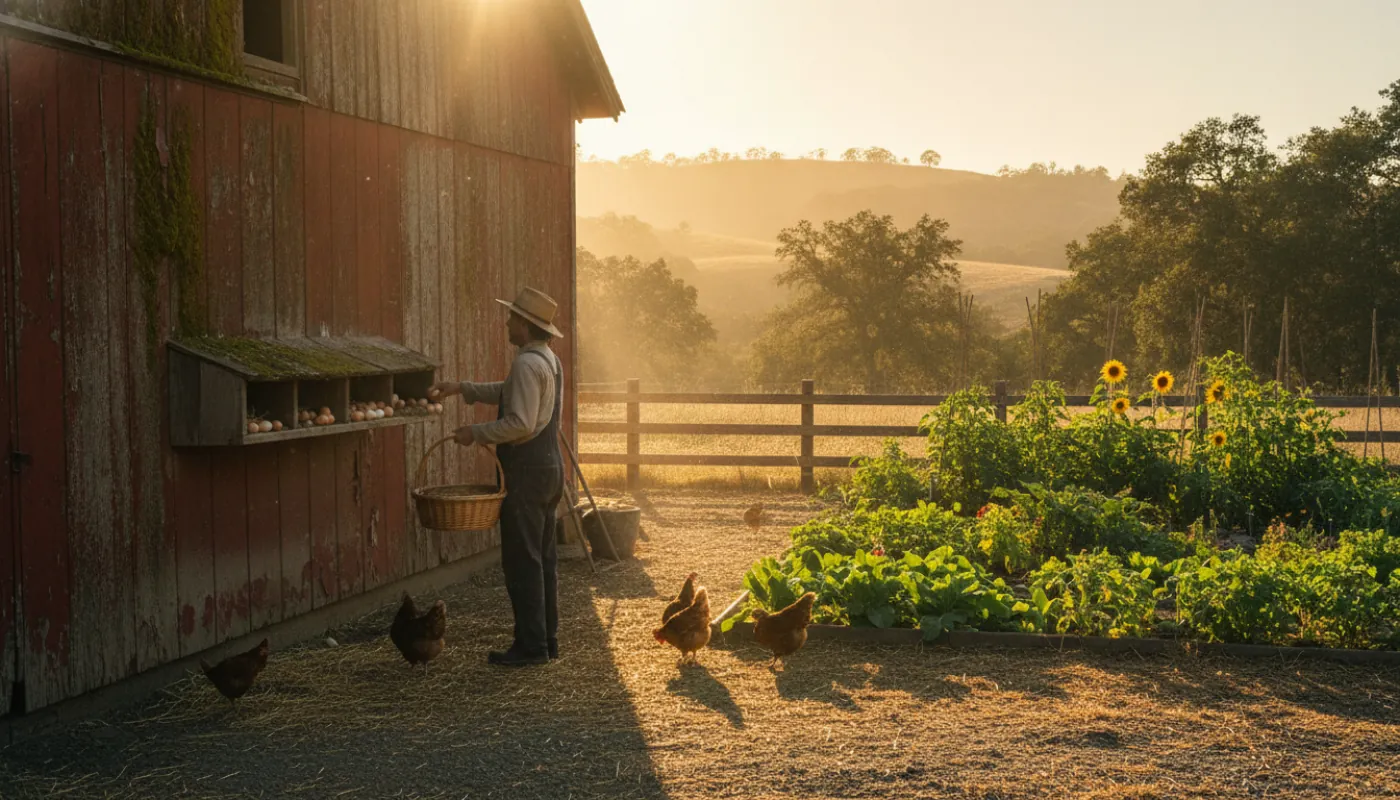
Your day begins before sunrise if the farm does meaningful agricultural work. A dairy operation milks at the same time every morning; a farm preparing for farmers market harvest starts picking at dawn when the produce is cool. Breakfast usually happens early, often family-style with the farm owners and other guests. You'll eat food grown or raised on or near the property. Coffee appears. People discuss the day's work and weather.
Work sessions typically last two to four hours, depending on the season and the farm's needs. You might pick berries, mend fences, feed animals, water fields, or pack vegetables for sale. The work is rarely glamorous: you'll be hot, dirty, or muddy by mid-morning. Farm hosts adjust tasks based on your fitness and experience level, but they don't make you feel useless. The goal is to contribute meaningfully and learn something real about where food comes from.
Lunch often happens midday, indoors, with a break from the heat and sun. Afternoons might include a teaching session: how to operate equipment, the history of the property, the ecological practices they use. Some farms have downtime for guests to nap, explore the grounds, or relax. Others maintain activity until an evening meal. Dinners are the heart of a farm stay experience. You eat together, often with the farm family, sometimes with other guests. The food reflects what's in season and growing right now. Wine farms serve their own bottles. Livestock farms feature their own meat. Vegetable farms serve harvests from the morning's work. These meals are rarely fancy, but they're deeply connected to the place you're in.
Evening time slows down. There's often talk by a porch, a walk through fields, or early sleep because your body is genuinely tired. Light pollution is minimal on a farm, so stars are visible in ways they aren't in towns. Many guests mention this as a standout memory: the dark night sky, the quiet, the sound of insects and animals instead of traffic.
Bringing Kids Along
Farm stays can be ideal for children, but only if you match them to the right farm. Young children, under age 6, need farms that can accommodate their shorter attention spans and lower strength levels. Some farms welcome babies and toddlers freely; others find them incompatible with working operations. Always confirm the farm's comfort level with very young guests before booking.
Children aged 6 to 12 usually thrive on farm stays. They're old enough to perform meaningful tasks (picking, feeding animals, collecting eggs), and young enough to find genuine magic in that work. A child who's disconnected from agriculture gets a vivid understanding of how food grows in one morning of hands-on picking. Many farms structure their guest experiences with children in mind, offering age-appropriate tasks and teaching moments. However, expect that a morning of picking vegetables or petting farm animals is more engaging than sitting in a barn while adults discuss irrigation systems.
Teenagers present a different dynamic. Some are delighted to work hard outdoors and disconnect from phones. Others find farm work boring or demanding and disconnect entirely. Be honest with yourself about whether your teenager will actually enjoy the experience. If your teen is a competitive runner who loves physical exertion, a labor-intensive farm during harvest season could be memorable. If they're resistant to outdoor work, a slower farm with more educational programming might fit better.
Bring activities for downtime that don't require electricity, or expect that kids will spend afternoon hours playing in barns, reading outside, or exploring the landscape with older kids from other guest families. Many children remember farm stays less for the education and more for the unstructured outdoor freedom.
Making the Most of Your Farm Experience
A farm stay is not a hotel, and the best guests treat it as an exchange rather than a service. You're paying to learn and participate, and the farm hosts are invested in making that happen. The more genuine your curiosity and effort, the richer the experience. Ask questions, lots of them. Why is the soil that color? What's that plant? How do you decide what to plant? Farm people love talking about their work when someone's genuinely interested.
Arrive with no expectations about accommodations. You might sleep in a comfortable guesthouse with private plumbing, or you might share a bunkhouse with other guests and use an outhouse. Both are "real" farm stays. Comfort exists on a spectrum, and the accommodation level often reflects the farm's business model and philosophy. A retreat-focused wine farm can afford nicer lodging. A working vegetable farm selling at farmers markets likely reinvests profits into land or equipment, not guest suites.
Leave your schedule flexibility. Farms operate on biological time and weather. A harvest might start earlier or run later than expected. Rain might shift morning work to the afternoon. Animals get sick. Equipment breaks. You're experiencing real agricultural life, which includes the unpredictability that farmers manage every day. Going with that flow, rather than against it, is how you actually connect with the place and the people.
Take a photo or two for your own memory, but don't spend the experience curating content. The best moments on a farm stay (the quiet of a predawn barn, the taste of a vegetable still warm from the sun, a conversation with the farm owner while resting against a fence), don't photograph well and don't need to. They exist more fully in the present moment, and that's where their real value lives.