A working ranch stay isn't a spa resort with horses. It's early mornings, real work, dirt under your fingernails, and the kind of exhaustion that leaves you sleeping better than you have in years. If you're drawn to rural life but live in a city, or you want your kids to understand where food actually comes from, a working ranch experience is one of the most authentic agritourism experiences available. These stays blur the line between vacation and education, you're not observing ranch life, you're living it.
What Is a Working Ranch Stay?
A working ranch stay puts you into the daily operations of an active cattle or livestock ranch for a week or more. Unlike dude ranches, which focus on recreational riding and comfort, working ranches expect guests to participate in genuine ranch chores: moving cattle, mending fence, feeding animals, and maintaining the property. Your hosts are working ranchers, not hospitality professionals, though many have refined the guest experience over decades.
The scale varies. Some ranches operate with a handful of guest rooms and handle everything themselves. Others run 5,000+ acres and might host a dozen guests at a time, rotating through different work depending on the season. What remains constant is that your labor is real, not performative. Ranchers wouldn't invite you if they didn't actually need the help, whether that's branding season or moving herds across seasonal pasture. You'll eat where the ranch eats, often at shared tables with the owner and other staff. The food is abundant, built around the rhythms of ranch work and local sourcing.
The Ranch Work Experience
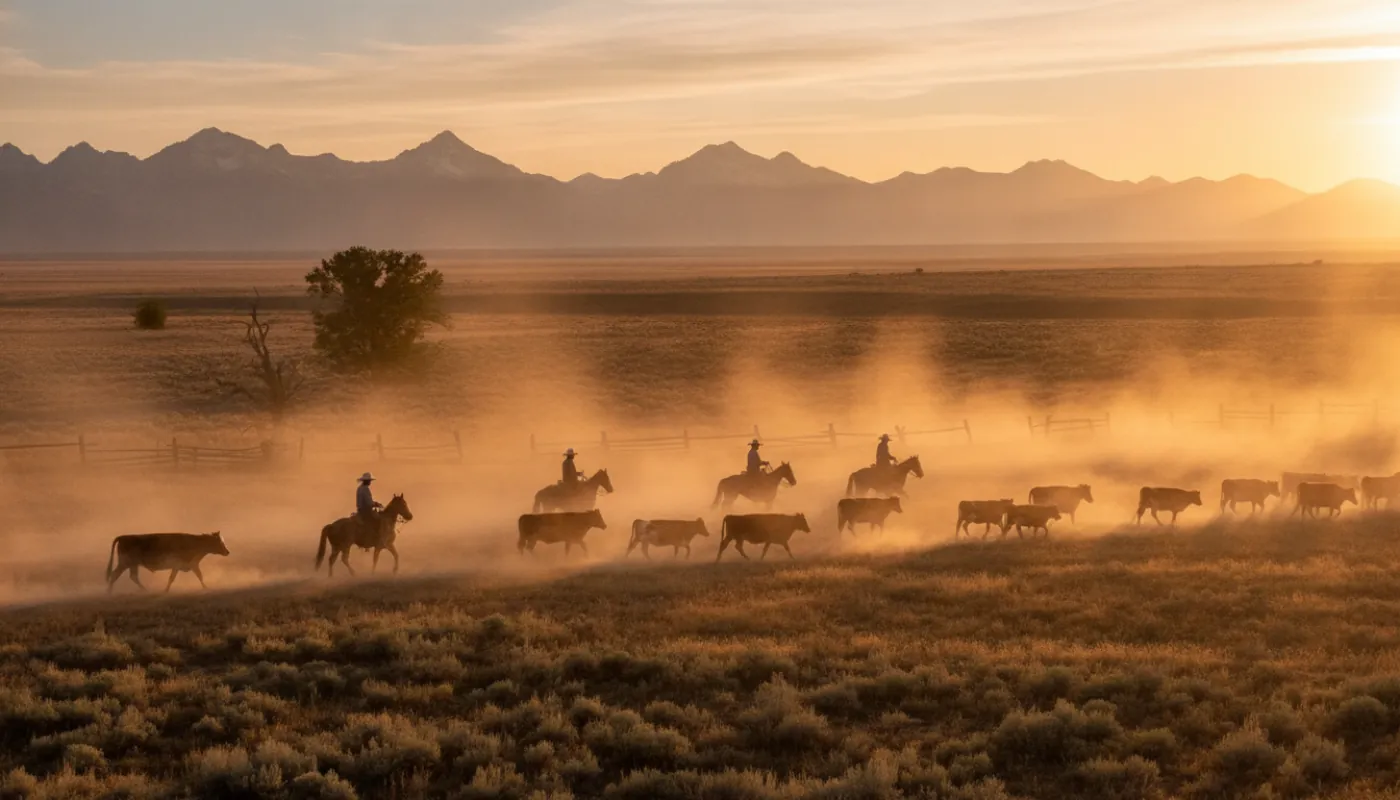
Your daily schedule starts before sunrise. Breakfast happens early, and by the time the sun breaks the horizon, you're already saddled up or out on foot checking on animals. Morning work typically involves moving cattle between pastures, checking water sources, and assessing herd health. If a calf is sick or a cow needs attention, you're part of the response. This isn't wilderness adventure tourism, it's functional livestock management.
Afternoon work depends on the season. Spring means branding, calving supervision, and fence repair. Summer involves moving herds to high elevation pastures, managing water rights, and preventive herd care. Fall means gathering cattle before winter, weaning calves, and preparing equipment. Winter, shorter days still demand feeding, shelter maintenance, and monitoring animals in harsh conditions. Skilled riders might work from horseback; others help from the ground or in support roles like managing gates, hauling feed, or keeping records.
The learning curve is gentle but real. Most ranches start guests with tasks that build competence: haltering an animal, checking fence, learning to read cattle behavior. Within a few days, guests who are ready move onto more skilled work like roping, sorting cattle, or riding the fence line. The rancher adjusts to your fitness level and experience, but don't expect to be handled with kid gloves. You're here to work, and the ranch is here to teach you how.
Best Seasons and Planning Your Stay
Branding season, typically March through June depending on climate, is the busiest and most intensive time. Herds gather, calves are branded and vaccinated, and extra hands are genuinely critical. If you want immersion and don't mind physical demand, this is when ranches most need guests. Spring and early summer are also visually rewarding: green pastures, calves everywhere, the landscape at its most energetic.
Summer brings higher elevation work as herds move to summer range. Heat is manageable in the mountains, but days are long. Fall gathering and weaning (September through November) is another peak period, less frantic than spring branding but equally important work. Winter is quieter but cold and isolating; it appeals to guests seeking solitude and willing to handle snow, but many ranches don't accept guests during the harshest months.
Book at least three months in advance, longer if you're targeting a specific season. Most ranches fill for branding season a year out. Expect to commit a full week minimum, ranches won't break in a guest for two days. Some offer two-week intensives for people serious about developing real skill. Ask directly whether your dates align with the work cycle you want to experience.
What to Pack and Expect
Pack work clothes: sturdy jeans (multiple pairs), long-sleeved shirts, a heavy jacket, and real work boots with good ankle support. Bring rain gear, a wide-brimmed hat, sunscreen, and any medications you need. Athletic tape and blister treatment are wise. You won't need luxury items. Bring toiletries, but leave the makeup and fancy clothes at home.
Physically, expect soreness. Even if you're fit, new muscle groups activate. Your hands will blister the first few days. Sunburn and wind-chapped lips are common. The work is not technically dangerous when done correctly, but ranching involves large animals and sharp tools, there's inherent risk. Understand what you're signing up for and mention any injuries or limitations upfront.
The mental shift matters more than the physical adjustment. You'll be tired enough to sleep deeply most nights. Your phone won't have service in many locations. Time moves differently without constant connectivity. Some guests find this liberating; others struggle. Come ready to be present, to eat well, to work hard, and to engage with the people and animals around you. That's the core of the experience.
Choosing the Right Ranch
Research ranches thoroughly. Visit their website, read guest reviews on independent platforms, and call to speak directly with the owner. Ask specifically what work you'll do, what the daily schedule looks like, what's included in the cost, and what the physical demands are. Honest ranchers will tell you if a stay isn't a good fit for your experience level or interests.
Consider the region and the type of operation. Cattle ranches in the high country are different from desert operations. Some specialize in heritage breeds; others run commercial herds. Some ranches welcome families with children and have modified tasks; others are better for adults. Ask about riding, if you want a ranch that emphasizes horsework, confirm the ranch uses horses daily. If you prefer ground-based work or have limited riding experience, find a ranch that doesn't assume you'll be in the saddle eight hours a day.
Contact the ranch multiple times before booking. Good operators want to know who they're hosting and will spend time assessing whether there's a real match. Cost usually starts around $150–$300 per day at budget, rustic working ranches and climbs from there, mid-range and more guest-oriented operations often run $400 a day or more, all-inclusive. The most reliable way to find quality ranches is through word-of-mouth and agriculture tourism networks that vet their members. Plan to return, the best experiences happen when you know the operation and the people.