Farms & Vineyards · Michigan
Farms & Vineyards in Michigan
Visit 29 farms across Michigan. Maps, hours, contact info, photos, and verified operator profiles, all in one place.
Great Lakes shoreline longer than any state, plus the Upper Peninsula wilderness.
About Michigan
Best time to go
When to visit Michigan farms
May through October. Peak fall color late September.
- July–August: sweet corn, berries, and county-fair season
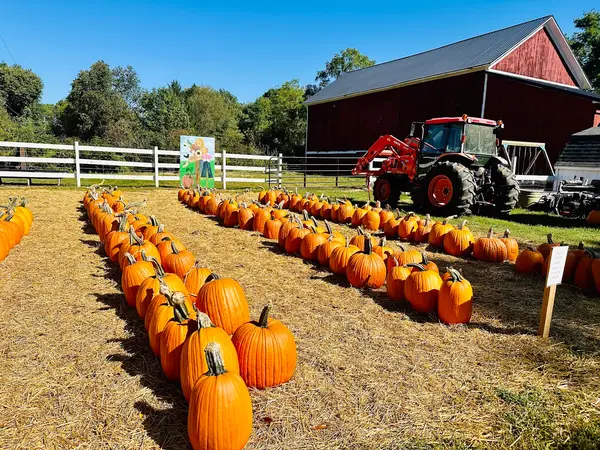
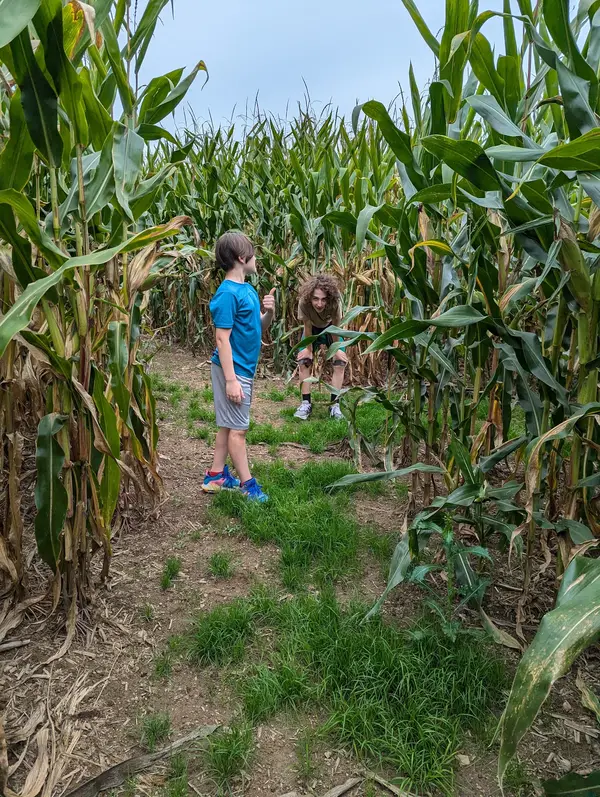
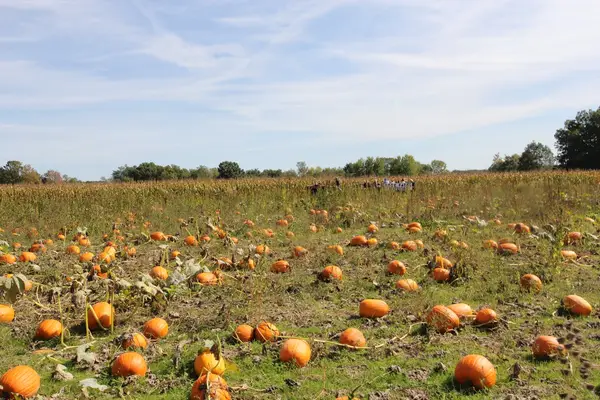
- September–October: the corn-maze capital of the country at full tilt
- Late November–December: tree farms keep the season going
29 on the map
Tap a pin to open its profile.
Quick facts
- Farms listed
- 29
- Best season
- May through October
All listings
29 farms
across Michigan

Plan your trip
Plan your trip to Michigan
Agritourism Liability Protection
Unlike many states, Michigan has not enacted a dedicated agritourism liability statute; operators rely on well-drafted, signed liability waivers and posted warnings rather than a blanket statutory immunity, and gross negligence or willful misconduct can never be waived. Visitors assume certain risks when participating in these activities, such as uneven terrain or contact with farm animals. Always observe posted warnings and follow operator instructions.
On-Farm Food Sales
Many Michigan farms are permitted to sell their own agricultural products directly to consumers on-site. The Michigan Cottage Food Law also allows for the sale of certain non-potentially hazardous foods prepared in a home kitchen directly to consumers, often found at farm stands. Always check with the farm regarding specific food offerings and production methods.
Winery and Brewery Operations
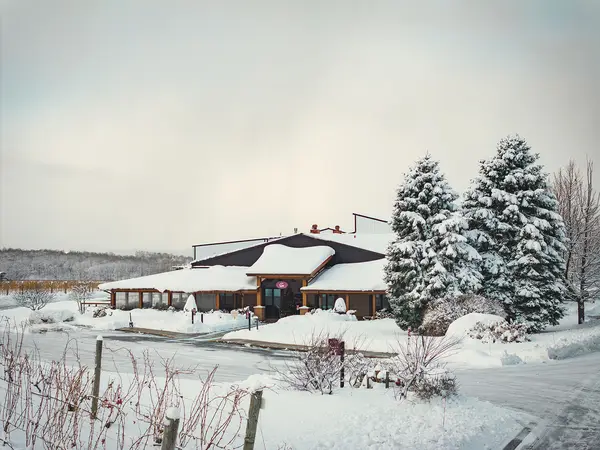
Wineries, breweries, and distilleries operating on farms in Michigan are licensed by the state and adhere to specific regulations regarding production, tasting room operations, and sales. Visitors can typically enjoy tastings and purchase products directly from the farm, subject to state alcohol laws, including age verification for consumption.
U-Pick and Corn Maze Safety
When engaging in U-pick or corn maze activities, follow all safety instructions provided by the farm. This includes staying within designated areas, wearing appropriate footwear, supervising children, and being aware of farm equipment. Wash all produce thoroughly before consumption. Some farms may have specific rules regarding bags or containers.
Farm Wedding Venue Zoning
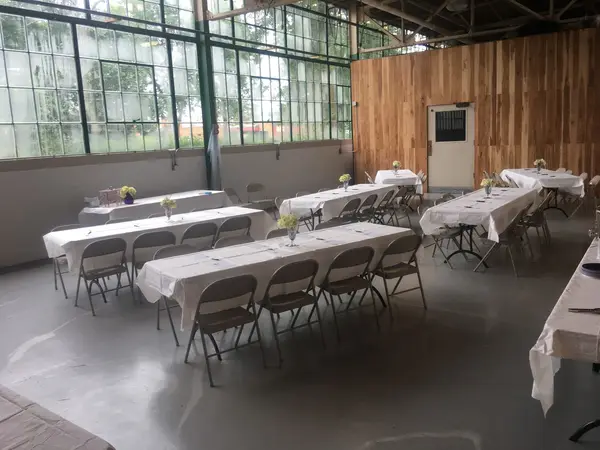
Farm wedding venues in Michigan operate under local zoning ordinances that may dictate event frequency, guest capacity, noise levels, and parking requirements. It is advisable for prospective couples to confirm with the venue that all necessary permits and zoning approvals are in place for their event, as regulations can vary significantly by township or county.
Confirm current requirements with the state agency before your trip. Rules and fees change every season.
Agritourism Visitor Awareness
Michigan has no dedicated agritourism liability statute, so operators typically rely on signed liability waivers and posted warnings rather than automatic statutory immunity for inherent risks. By entering an agritourism location, visitors accept responsibility for their participation and any associated risks. Always read and adhere to posted signs and verbal instructions from farm staff.
Michigan LegislatureAlcohol Consumption Age
To participate in tastings or purchase alcoholic beverages at farm wineries, breweries, or distilleries in Michigan, visitors must be 21 years of age or older. Valid government-issued identification is required for age verification at all licensed establishments.
Respect for Private Property
All agritourism locations are private property. Visitors must respect property boundaries, stay in designated public areas, and refrain from disturbing crops, equipment, or livestock unless explicitly permitted by the operator. Unauthorized entry or actions can result in trespass charges.
- 01
1. Determine Your Agritourism Interest
U-pick fruit, wine tasting, a farm stay, a wedding barn, farm-to-table dinner, name the experience you're after before anything else. It decides where you go.
- 02
2. Choose a Michigan Region
Match your interest to a region: the Southwest Fruit Belt for picking, Northwest Wine Country for tasting rooms, the Thumb for something quieter. Each has its own specialty and its own pace.
- 03
3. Research Specific Farms or Venues
Once you've settled on a region, dig into the individual farms, vineyards, and venues there. Their websites and social feeds carry the current offerings, hours, and event calendars.
- 04
4. Verify Seasonal Availability and Requirements
Everything here runs on the harvest clock. Confirm what's ripe for U-pick, when tasting rooms pour, and what's on the event schedule, and for farm stays or weddings, ask about lead times early.
- 05
5. Make Reservations as Needed
Farm stays, guided tours, and wedding venues nearly always require booking ahead. Even for U-pick, a quick call confirms the crop is on and the fields aren't already packed.
01What is the best time of year to visit Michigan for agritourism?
02Are pets allowed at Michigan farms and vineyards?
03What types of farms can I visit in Michigan?
04Do I need to make reservations for U-pick or farm visits?
05Can I purchase food and beverages directly from Michigan farms?
Free tools
Your free outdoor toolkit

Everything Map
Listings, trails, spots, clubs and public land on a single full-screen map. Switch layers on and off, then tap any point for the details.
Open Everything MapRoute Planner
Drop stops on a map and watch distance and drive time add up. Export a GPX or share the link.
Open Route PlannerFarm Groups
Browse local clubs with meeting info and how to join, or start your own for free.
Open Farm GroupsPhoto ID
Point your camera at whatever you found and get a structured identification. No signup.
Open Photo IDGear Checklists
Printable, save-as-you-go packing lists. Tick items off and pull them up on your phone.
Open Gear ChecklistsMaintenance Schedules
Pick your machine and get its full service schedule. Add your hours to turn intervals into dates.
Open Maintenance Schedules

Keep exploring