Farms & Vineyards · Indiana
Farms & Vineyards in Indiana
Visit 18 farms across Indiana. Maps, hours, contact info, photos, and verified operator profiles, all in one place.
Hardwood hills, Wabash river country, and Lake Michigan dunes.
About Indiana
Best time to go
When to visit Indiana farms
April through October.
- July–August: sweet corn, berries, and county-fair season
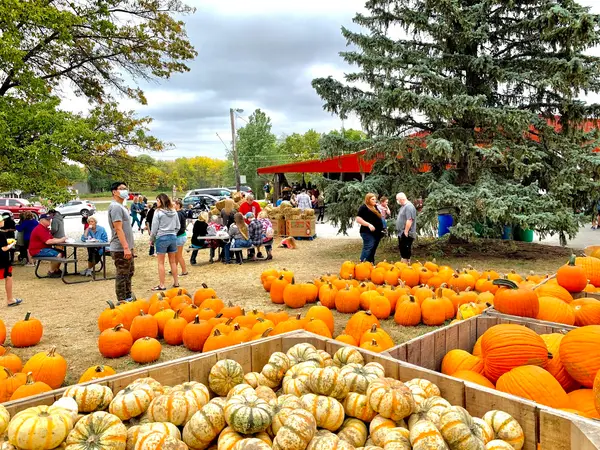
- September–October: the corn-maze capital of the country at full tilt
- Late November–December: tree farms keep the season going
18 on the map
Tap a pin to open its profile.
Quick facts
- Farms listed
- 18
- Best season
- April through October
All listings
18 farms
across Indiana
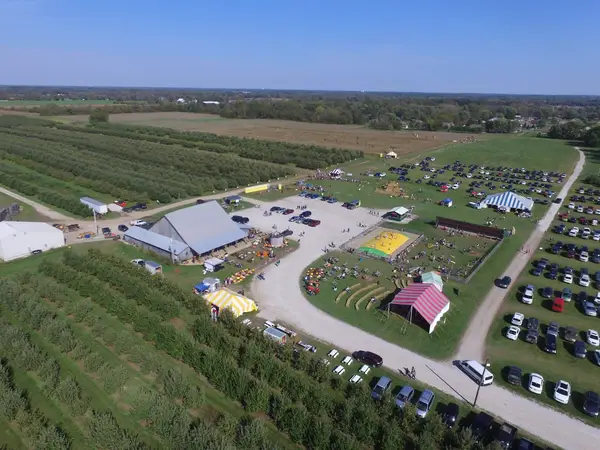
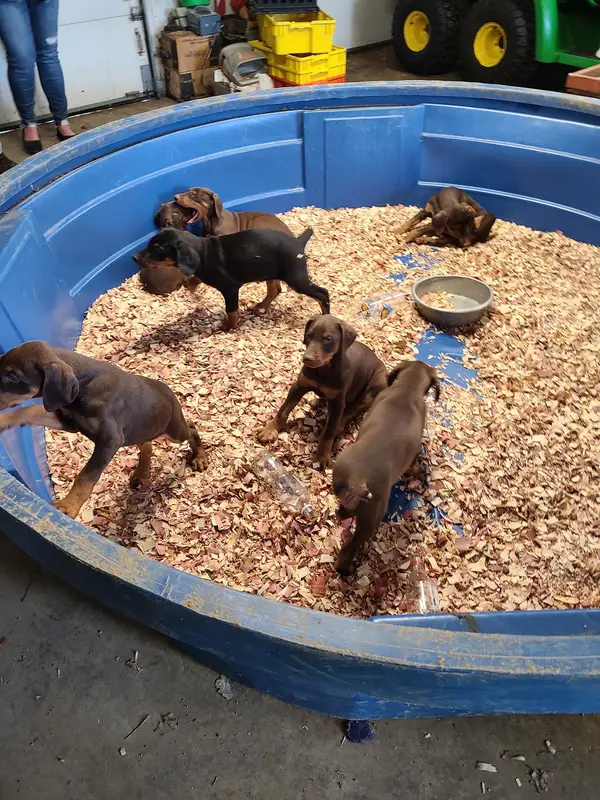
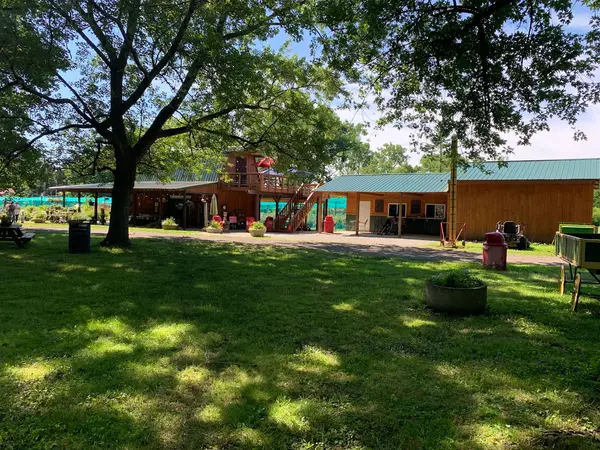
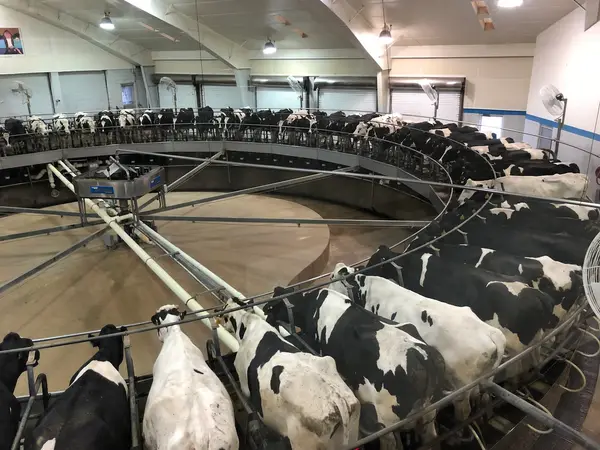
Plan your trip
Plan your trip to Indiana
Indiana Agritourism Liability Act
Indiana has an agritourism immunity law (IC 34-31-9) that limits the liability of agritourism operators for inherent risks of agritourism activities. Visitors engaging in activities like U-pick, corn mazes, or farm tours are presumed to accept these inherent risks, such as those associated with animals, farm equipment, or natural conditions.
Cottage Food and On-Farm Sales
Indiana's cottage food laws allow certain non-potentially hazardous foods to be produced in home kitchens and sold directly to consumers, including at farm stands or markets. For other on-farm food sales, such as processed items or meals, operators must comply with specific food safety regulations and obtain necessary permits from the Indiana Department of Health or local health departments.
Winery and Brewery Licensing
On-farm wineries and breweries offering tastings and direct sales must hold specific permits issued by the Indiana Alcohol and Tobacco Commission. These licenses ensure compliance with state alcohol laws, including age restrictions for consumption and sales, and may dictate operating hours and permissible activities on the premises.
Pick-Your-Own and Corn Maze Safety
When participating in U-pick activities or navigating corn mazes, visitors should wear appropriate footwear, dress for the weather, and follow all posted rules and staff instructions. Be aware of uneven terrain, stinging insects, and farm equipment. Always supervise children closely and ensure they understand safety guidelines.
Farm Wedding and Event Venue Zoning
Farm wedding venues and event spaces often navigate local zoning ordinances that dictate permissible uses for agricultural land. These regulations can influence the scale and type of events an operator can host, as well as requirements for parking, restrooms, and noise. Visitors should confirm specific venue offerings directly with the farm.
Confirm current requirements with the state agency before your trip. Rules and fees change every season.
Agritourism Activity Participant Assumption of Risk
Under Indiana law (IC 34-31-9), participants in agritourism activities are deemed to have accepted the inherent risks associated with those activities. While not a permit, visitors should be aware of this legal framework, which outlines the responsibilities of both operators and participants regarding safety on agritourism sites.
Indiana General AssemblyAlcohol Consumption Age
Visitors must be 21 years of age or older to purchase or consume alcoholic beverages at on-farm wineries, breweries, or distilleries. Operators are legally required to verify age through valid identification.
Private Property Rules and Etiquette
All agritourism operations are private property, and visitors are expected to respect posted rules, property boundaries, and staff instructions. Unauthorized entry into restricted areas, littering, or disturbing farm animals is prohibited and may result in removal from the premises.
- 01
Identify Your Interests
U-pick, a wine tasting, an overnight farm stay, a wedding venue, or some combination. Decide what you're actually after before you start searching; it saves hours.
- 02
Research Specific Farms and Venues
Use directories like Farm Country Hubs, official state tourism sites, or local chamber of commerce listings to find farms, vineyards, and venues that fit your interests and target area.
- 03
Check Operating Hours and Availability
Verify hours, seasonal availability, and any reservation requirements directly with the farm before setting a date. Crops don't keep a fixed schedule, and neither do the farms that grow them.
- 04
Plan Your Route and Accommodations
Map the drive, rural roads take longer than the mileage suggests, and book lodging early for multi-day trips or farm stays. Many of the best sites sit well off the main corridors.
- 05
Prepare for Your Visit
Closed-toe shoes, weather-appropriate clothing, cash for small purchases, and a willingness to follow the farm's rules. That short list covers nearly every visit.
01Are most Indiana farms accessible year-round?
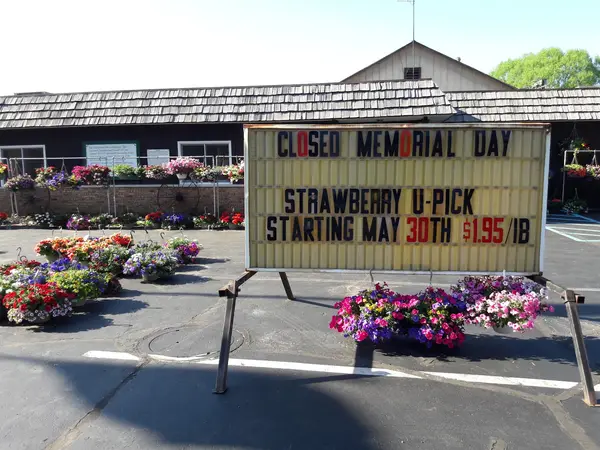
02What is the typical cost for U-pick activities in Indiana?
03Can I bring my dog to Indiana farms or vineyards?
04Are reservations required for farm tours or wine tastings?
05What types of farm stays are available in Indiana?
06Do Indiana farm wedding venues provide catering services?
Free tools
Your free outdoor toolkit

Everything Map
Listings, trails, spots, clubs and public land on a single full-screen map. Switch layers on and off, then tap any point for the details.
Open Everything MapRoute Planner
Drop stops on a map and watch distance and drive time add up. Export a GPX or share the link.
Open Route PlannerFarm Groups
Browse local clubs with meeting info and how to join, or start your own for free.
Open Farm GroupsPhoto ID
Point your camera at whatever you found and get a structured identification. No signup.
Open Photo IDGear Checklists
Printable, save-as-you-go packing lists. Tick items off and pull them up on your phone.
Open Gear ChecklistsMaintenance Schedules
Pick your machine and get its full service schedule. Add your hours to turn intervals into dates.
Open Maintenance Schedules

Keep exploring