Farms & Vineyards · Colorado
Farms & Vineyards in Colorado
Visit 21 farms across Colorado. Maps, hours, contact info, photos, and verified operator profiles, all in one place.
58 fourteeners, alpine basins, and the headwaters of seven major rivers.
About Colorado
Best time to go
When to visit Colorado farms
June through September for high country; year-round for resorts.
- June–August: berries, lavender, and long farm-stand days
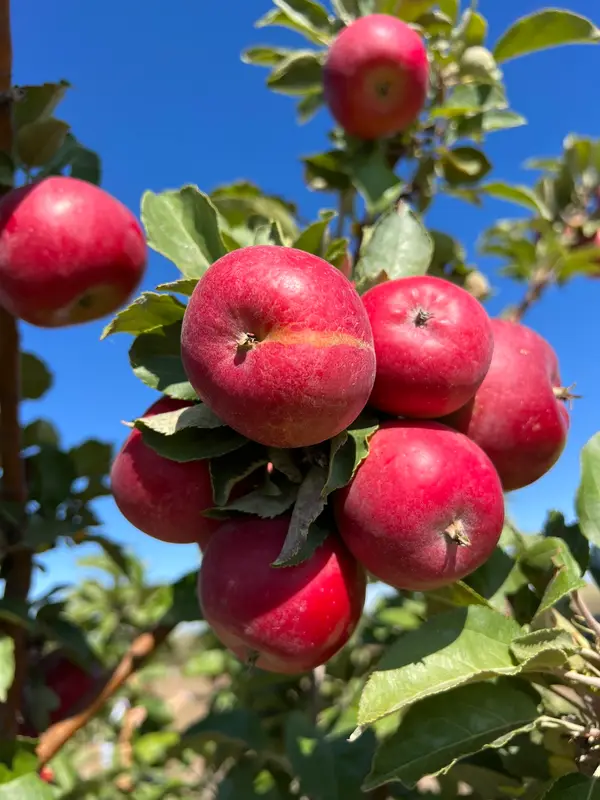
- September–October: crush season in wine country and the apple harvest
- California’s mild winters keep farm stays and citrus going year-round
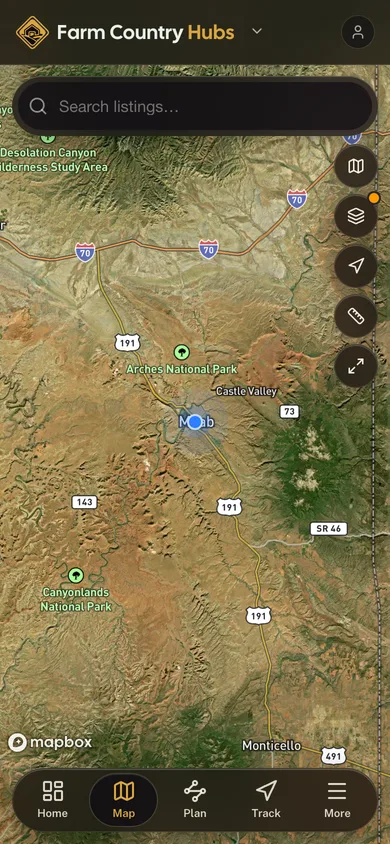
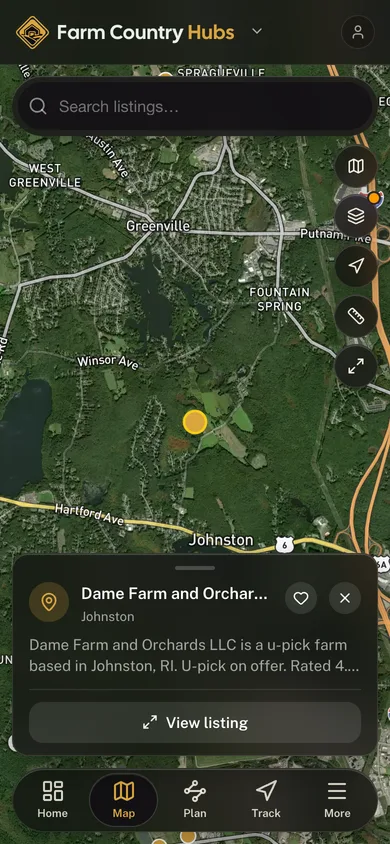
21 on the map
Tap a pin to open its profile.
Quick facts
- Farms listed
- 21
- Best season
- June through September
All listings
21 farms
across Colorado
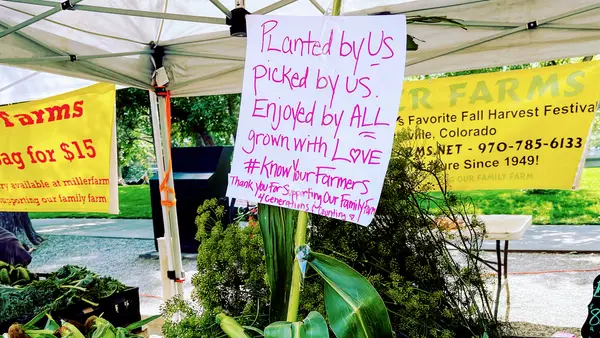
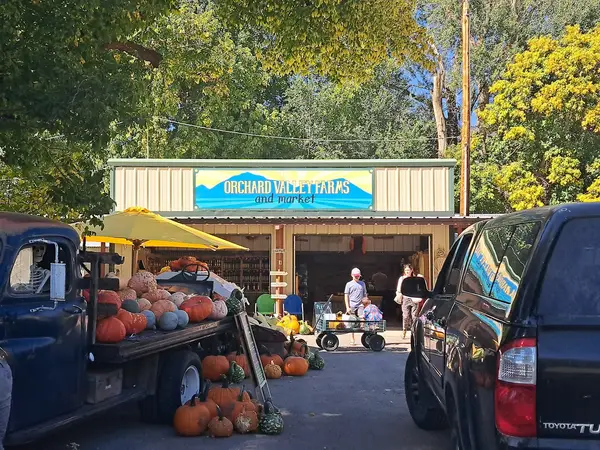
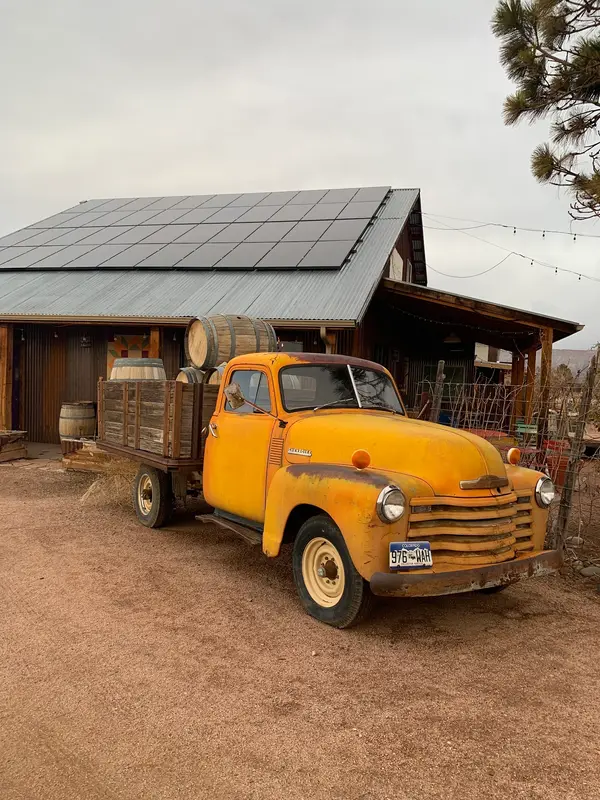
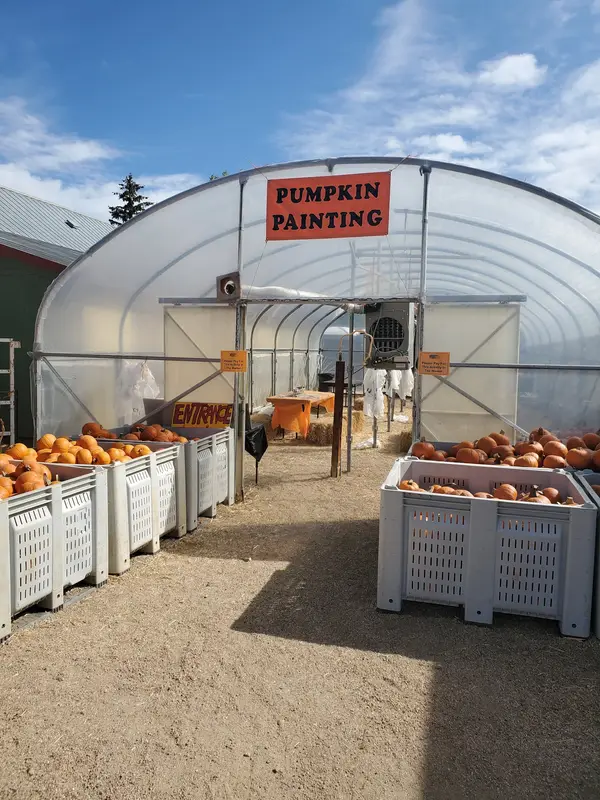
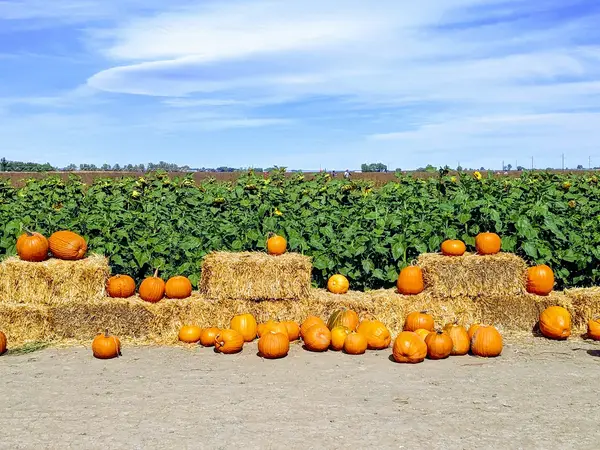
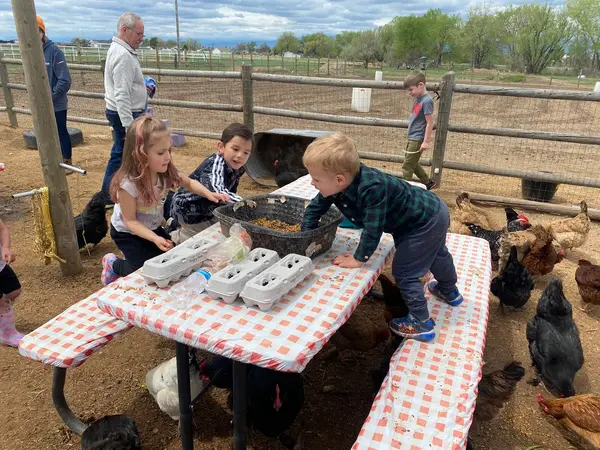
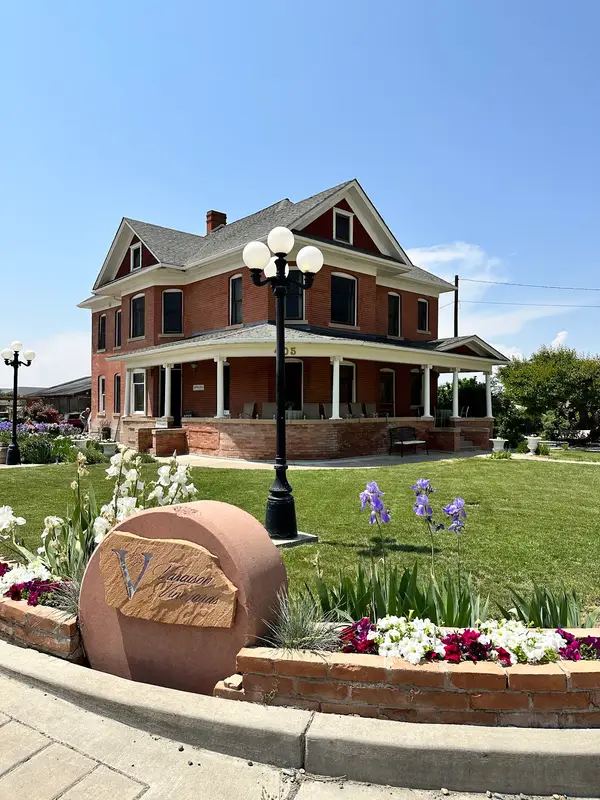
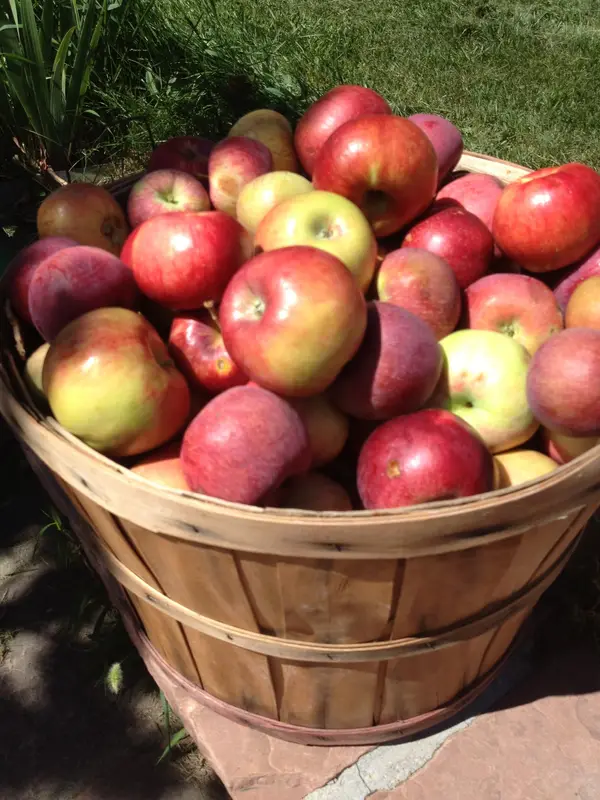
Plan your trip
Plan your trip to Colorado
Agritourism Immunity Act
Colorado has an Agritourism Immunity Act (C.R.S. § 13-21-121) which states that an agritourism professional is not liable for injury or death of a participant resulting from the inherent risks of agritourism activities, provided proper warnings are given. Visitors should be aware of and acknowledge these inherent risks when participating in farm activities.
Cottage Food and On-Farm Sales
Many Colorado farms operate under the Cottage Food Act, allowing them to sell certain non-potentially hazardous foods directly to consumers without extensive permits. For other on-farm food sales, such as prepared meals or processed goods, farms are subject to Colorado Department of Public Health and Environment regulations, which may vary. Always verify with the farm what food items are available for direct purchase.
Winery and Brewery Licensing
On-farm wineries and breweries in Colorado operate under specific state liquor licenses issued by the Colorado Department of Revenue, Liquor Enforcement Division. These licenses permit on-site tastings and direct sales to consumers. Visitors should confirm tasting room hours and any age restrictions for alcohol sampling with individual establishments.
Pick-Your-Own and Farm Safety
When engaging in U-pick activities or navigating corn mazes, visitors should follow all posted safety guidelines and instructions from farm staff. This includes wearing appropriate footwear, staying within designated areas, and supervising children closely. Farms are working environments with uneven terrain, equipment, and sometimes animals, requiring vigilance from guests.
Farm Wedding and Event Venue Zoning
The ability of a farm to host weddings and other large events is often subject to local county and municipal zoning ordinances. These regulations dictate permissible uses, occupancy limits, and infrastructure requirements. Visitors planning farm weddings should confirm with the venue that all necessary permits and zoning approvals are in place for their event size and type.
Confirm current requirements with the state agency before your trip. Rules and fees change every season.
Sales Tax License
Businesses, including agritourism operations, selling tangible goods directly to consumers in Colorado generally need to obtain a Colorado Sales Tax License. This ensures the collection and remittance of state sales tax on purchases made at farm stands or gift shops. Visitors are not directly responsible for this, but it ensures legal operation of direct sales.
Colorado Liquor License
For on-farm wineries, breweries, or distilleries offering tastings and direct sales of alcoholic beverages, a specific Colorado Liquor License is required from the state. This license dictates permissible hours of operation, sales volumes, and age verification procedures for customers.
County Event Permits
Farms hosting large public events, such as festivals, concerts, or weddings, may be required to obtain special event permits from their local county or municipal government. These permits address public safety, traffic management, noise, and sanitation. Visitors attending such events should verify with the farm that all local requirements have been met.
- 01
Research Agritourism Destinations
Pick your targets first: farms, vineyards, or breweries that match what you're after. Their websites spell out the U-pick offerings, tasting hours, farm-stay options, and event calendars.
- 02
Check Operating Hours and Seasons
Everything on a farm runs on the crop's clock, not yours. Confirm hours, U-pick harvest windows, and tour or tasting availability for your actual dates, schedules shift week to week.
- 03
Make Reservations or Bookings
Farm stays, guided tours, tasting appointments, and wedding venues all book ahead, and harvest-season weekends go fast. Reserve early rather than gambling on a walk-in.
- 04
Review Farm Guidelines and Safety Information
Read the farm's rules before you arrive: policies on kids and pets, what to wear, and the inherent risks that come with any working farm. Five minutes of reading saves an awkward turnaround at the gate.
- 05
Plan Your Route and Logistics
Colorado's farm regions are far apart. Sort out transportation, check road conditions if you're headed into rural country, and be honest about drive times if you're stringing several stops together.
01What is the best time of year to visit Colorado for agritourism?
02Are pets allowed at Colorado agritourism destinations?
03Do I need to make reservations for U-pick or farm visits?
04What should I wear or bring for a farm visit?
05Can I purchase fresh produce and farm products directly from farms?
06Are Colorado farm wedding venues typically booked far in advance?
Free tools
Your free outdoor toolkit

Everything Map
Listings, trails, spots, clubs and public land on a single full-screen map. Switch layers on and off, then tap any point for the details.
Open Everything MapRoute Planner
Drop stops on a map and watch distance and drive time add up. Export a GPX or share the link.
Open Route PlannerFarm Groups
Browse local clubs with meeting info and how to join, or start your own for free.
Open Farm GroupsPhoto ID
Point your camera at whatever you found and get a structured identification. No signup.
Open Photo IDGear Checklists
Printable, save-as-you-go packing lists. Tick items off and pull them up on your phone.
Open Gear ChecklistsMaintenance Schedules
Pick your machine and get its full service schedule. Add your hours to turn intervals into dates.
Open Maintenance Schedules

Keep exploring