Farms & Vineyards · Arizona
Farms & Vineyards in Arizona
Visit 13 farms across Arizona. Maps, hours, contact info, photos, and verified operator profiles, all in one place.
Red-rock canyons, Sonoran desert, and pine-covered high country.
About Arizona
Best time to go
When to visit Arizona farms
October through April for the desert; May through October for the high country.
- June–August: berries, lavender, and long farm-stand days
- September–October: crush season in wine country and the apple harvest
- California’s mild winters keep farm stays and citrus going year-round
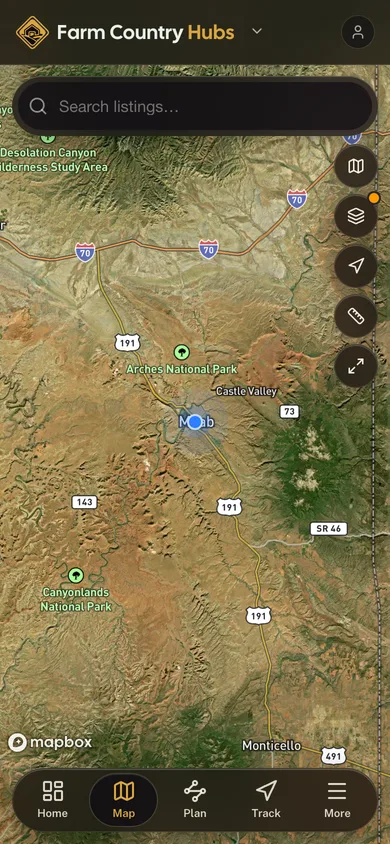
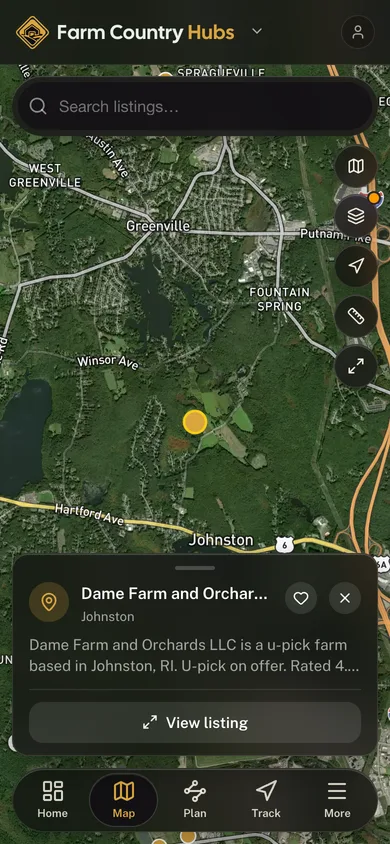
13 on the map
Tap a pin to open its profile.
Quick facts
- Farms listed
- 13
- Best season
- October through April
All listings
13 farms
across Arizona
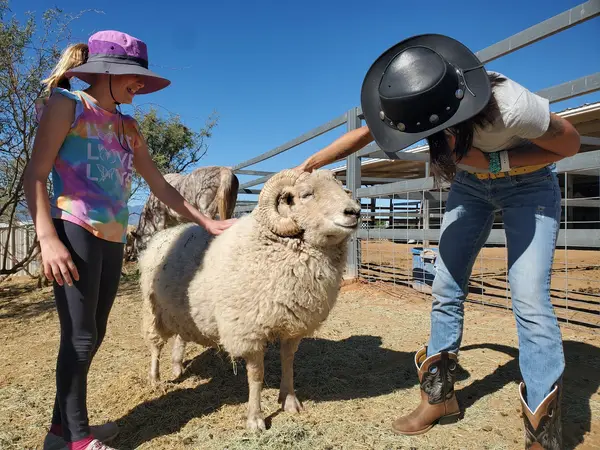
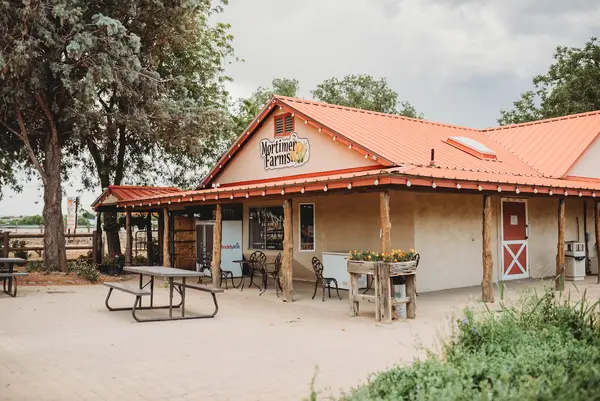
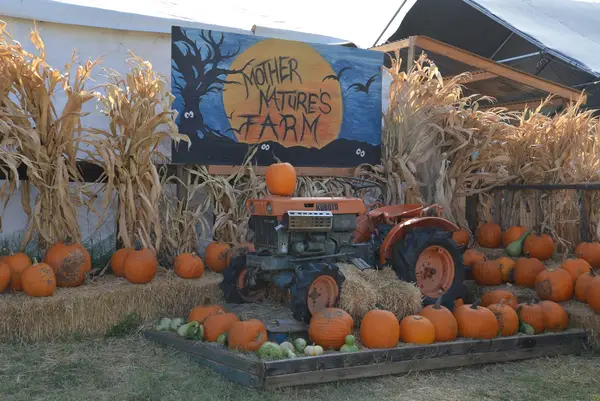

Plan your trip
Plan your trip to Arizona
Agritourism Liability Protection
Arizona does not have a dedicated agritourism liability immunity statute. State law defines agritourism (ARS § 3-111) but, unlike many farm states, provides no inherent-risk liability shield, so operators rely on general premises-liability principles, signed waivers, and posted warnings. Visitors should assume the ordinary risks of a working farm.
Cottage Food and On-Farm Sales
Arizona's Cottage Food Law (ARS § 36-601.01) allows for the sale of certain low-risk foods prepared in home kitchens directly to consumers. Farms selling other processed foods or specific raw agricultural products on-site should verify compliance with Arizona Department of Health Services or local health department regulations.
Winery and Brewery On-Farm Licensing
Farm wineries and craft breweries operating on agricultural land in Arizona must obtain specific production and retail licenses from the Arizona Department of Liquor Licenses and Control to conduct on-site tastings and sales. These licenses ensure compliance with state alcoholic beverage laws.
Pick-Your-Own and Farm Safety
Visitors engaging in U-pick activities or exploring corn mazes should be prepared for outdoor conditions. This includes wearing appropriate clothing and footwear, staying hydrated, following all farm-specific safety instructions, and being aware of uneven terrain, farm equipment, and potential allergens.
Farm Wedding and Event Venue Zoning
Zoning regulations for hosting large events like weddings or festivals on agricultural land can vary significantly by county and municipality in Arizona. Farm operators planning to offer such venues typically need to secure special event permits, conditional use permits, or ensure their property is zoned appropriately for commercial event hosting.
Confirm current requirements with the state agency before your trip. Rules and fees change every season.
Agritourism Warning Signage
Arizona has no dedicated agritourism liability statute and therefore no statutory warning-sign requirement for agritourism operators. Even so, many operators voluntarily post signs describing the inherent risks of farm activities and use signed waivers, and visitors should follow all posted rules on the property.
Food Establishment Permits for On-Farm Sales
While some direct-to-consumer sales (e.g., raw produce, cottage foods) may be exempt, farms selling prepared foods, certain processed items, or offering food service beyond basic raw agricultural products may require a food establishment permit from their local county health department or the Arizona Department of Health Services. Requirements vary based on the type and volume of food sales.
Farm Winery and Microbrewery Licensing
Any farm producing and selling wine or beer on-site requires specific licenses from the Arizona Department of Liquor Licenses and Control. These licenses, such as a Farm Winery License (Series 13) or a Microbrewery License (Series 03), regulate production, sales, and tasting room operations.
AZ Dept. of Liquor Licenses and ControlSpecial Event Permits for Farm Venues
Farms hosting large public events, festivals, or private gatherings like weddings often need to obtain special event permits from their county or city planning and zoning departments. These permits address issues such as parking, sanitation, noise, and public safety, ensuring compliance with local ordinances.
- 01
Identify Your Agritourism Interest
Start with what you actually want from the trip: U-pick fruit, a wine-country day, a farm stay, or a wedding venue worth scouting. Arizona's offerings are scattered across very different regions, so the goal sets the map.
- 02
Research Arizona's Agritourism Regions
Learn the regional split: the Verde Valley for wine, Yuma for dates and citrus, Southeastern Arizona for the densest cluster of vineyards. Matching region to interest saves hours of desert driving.
- 03
Find Specific Farms and Venues
Use directories and online resources to locate specific farms, vineyards, breweries, or event venues in your chosen region, checking what each offers, when it's open, and whether any special events line up with your dates.
- 04
Verify Operating Schedules and Requirements
Confirm hours, seasonal availability, and reservation policies directly with the farm before heading out. Schedules shift with the crop and the heat, especially for U-pick and special events.
- 05
Plan Your Visit and Contact Ahead
Distances between destinations can be long, so plan the route, budget drive time, and consider an overnight if you're linking regions. A call or email ahead settles accessibility questions and farm-specific rules before you're standing at the gate.
01What types of farms can I visit in Arizona?
02Are reservations required for farm visits or tastings?
03What should I wear or bring for a U-pick experience?
04Can I bring my pet to an Arizona farm or vineyard?
05Is it possible to stay overnight on an Arizona farm?
06Are Arizona farm wedding venues suitable for all seasons?
Free tools
Your free outdoor toolkit

Everything Map
Listings, trails, spots, clubs and public land on a single full-screen map. Switch layers on and off, then tap any point for the details.
Open Everything MapRoute Planner
Drop stops on a map and watch distance and drive time add up. Export a GPX or share the link.
Open Route PlannerFarm Groups
Browse local clubs with meeting info and how to join, or start your own for free.
Open Farm GroupsPhoto ID
Point your camera at whatever you found and get a structured identification. No signup.
Open Photo IDGear Checklists
Printable, save-as-you-go packing lists. Tick items off and pull them up on your phone.
Open Gear ChecklistsMaintenance Schedules
Pick your machine and get its full service schedule. Add your hours to turn intervals into dates.
Open Maintenance Schedules

Keep exploring