Farms & Vineyards · Nevada
Farms & Vineyards in Nevada
Visit 11 farms across Nevada. Maps, hours, contact info, photos, and verified operator profiles, all in one place.
Great Basin desert, Sierra eastside, and the loneliest road in America.
About Nevada
Best time to go
When to visit Nevada farms
October through May for desert; June through October for high country.
- June–August: berries, lavender, and long farm-stand days
- September–October: crush season in wine country and the apple harvest
- California’s mild winters keep farm stays and citrus going year-round
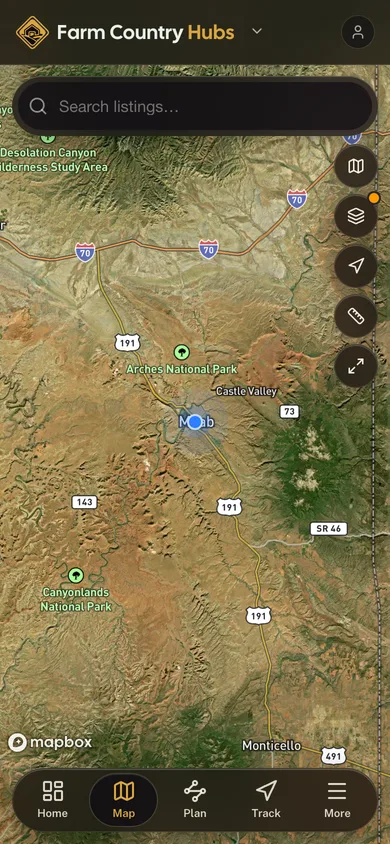
11 on the map
Tap a pin to open its profile.
Quick facts
- Farms listed
- 11
- Best season
- October through May
All listings
11 farms
across Nevada
Plan your trip
Plan your trip to Nevada
Agritourism Liability Protection
Nevada enacted agritourism liability protections in 2025 (Senate Bill 55), which limit the liability of agritourism operators for inherent risks associated with agritourism activities when the required warning signs and contract notice are provided. Visitors typically assume certain risks when participating in these activities.
Cottage Food Operations
Nevada allows for cottage food operations, enabling small-scale food production and sales from home kitchens. Many farm stands operate under these regulations for baked goods, jams, and other non-potentially hazardous foods. Verify specific product legality on-site.
On-Farm Alcohol Sales
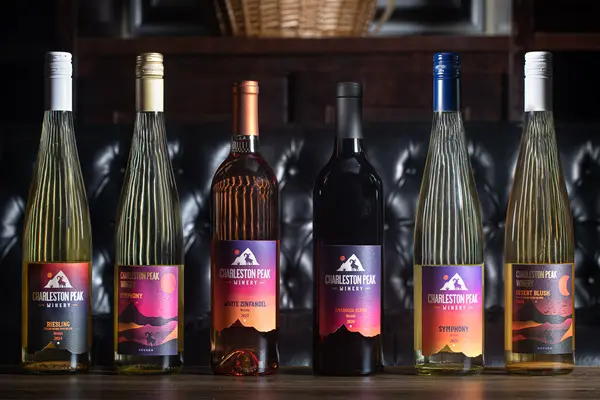
Wineries and breweries operating on farms must adhere to state and local licensing for production, tasting rooms, and direct sales. Visitors should expect age verification for sampling and purchasing alcoholic beverages.
Pick-Your-Own Safety
Farms often have specific rules for U-pick areas, including designated picking zones, instruction on proper harvesting, and guidelines for children. Always follow farm staff directions to ensure safety and preserve crops.
Farm Event Zoning
Zoning regulations vary by county and can impact the types and scale of events, such as weddings, that a farm can host. It's advisable for prospective event planners to confirm venue capabilities directly with the farm operator.
Confirm current requirements with the state agency before your trip. Rules and fees change every season.
Age for Alcohol Consumption
Visitors must be 21 years of age or older to legally purchase or consume alcoholic beverages at on-farm wineries, breweries, or other licensed agritourism venues in Nevada. Valid identification is required for age verification.
Private Property Rules
All agritourism sites are private property. Visitors are required to adhere to all posted rules and instructions from farm staff, including parking, designated areas, and interaction with animals or equipment. Failure to comply may result in removal from the property.
No Trespassing
Visitors are permitted only in areas designated for public access. Entering private fields, barns, or restricted areas without explicit permission constitutes trespassing and is against Nevada law.
- 01
Research Destinations
Nevada's farms don't advertise from the interstate. Start by pinning down the specific farms, vineyards, or sites that match what you want: U-pick, a tasting, a farm stay.
- 02
Check Seasonal Availability
Everything here runs on the harvest calendar. Confirm what's actually ripe or open during your dates, plus operating hours and any reservation requirements.
- 03
Plan Your Route
The agricultural valleys sit far apart, with a lot of empty highway between them. Map your stops and be honest about drive times before committing to multiple regions in one trip.
- 04
Contact Farms Directly
A phone call or a website check the day before saves a wasted drive. Confirm current hours, what's available, and any visitor guidelines the farm wants followed.
- 05
Prepare for Your Visit
Closed-toe shoes, water, sunscreen, desert farm country is unforgiving on all three counts. Carry cash too; some of the smaller stands don't take cards.
01Are pets allowed at Nevada agritourism sites?
02What is the best time of year to visit for U-pick experiences?
03Do I need reservations for farm visits or tastings?
04Are Nevada agritourism sites accessible for visitors with disabilities?
05Can I purchase food and beverages directly from farms?
06What should I wear or bring for a farm visit?
Free tools
Your free outdoor toolkit

Everything Map
Listings, trails, spots, clubs and public land on a single full-screen map. Switch layers on and off, then tap any point for the details.
Open Everything MapRoute Planner
Drop stops on a map and watch distance and drive time add up. Export a GPX or share the link.
Open Route PlannerFarm Groups
Browse local clubs with meeting info and how to join, or start your own for free.
Open Farm GroupsPhoto ID
Point your camera at whatever you found and get a structured identification. No signup.
Open Photo IDGear Checklists
Printable, save-as-you-go packing lists. Tick items off and pull them up on your phone.
Open Gear ChecklistsMaintenance Schedules
Pick your machine and get its full service schedule. Add your hours to turn intervals into dates.
Open Maintenance Schedules

Keep exploring