Farms & Vineyards · Utah
Farms & Vineyards in Utah
Visit 18 farms across Utah. Maps, hours, contact info, photos, and verified operator profiles, all in one place.
Mighty Five national parks plus the Wasatch and the Uintas.
Updated
Highest rated
Farms & Vineyards in Utah by Google rating
Ranked by Google rating, then by number of reviews, across all 18 farms listed in Utah.
| Farm | City | Type | Rating |
|---|---|---|---|
| The Farm, Hurricane, UT | Hurricane | Agritourism | 5.02,228 Google reviews |
| C&S Family Farm, Cedar Hills, UT | Cedar Hills | Agritourism | 5.044 Google reviews |
| The Forbes Family Farm at Sheep Creek Ranch, Manila, UT | Manila | Agritourism | 5.013 Google reviews |
| McBride Briar Patch, Mapleton, UT | Mapleton | U-Pick | 4.9137 Google reviews |
| Rocky Top Fruit Farm, Payson, UT | Payson | U-Pick | 4.962 Google reviews |
| Day Farms, Layton, UT | Layton | U-Pick | 4.8263 Google reviews |
| Riley's Farm Fresh, Genola, UT | Genola | U-Pick | 4.8210 Google reviews |
| Stanton Cherries (U-Pick), Payson, UT | Payson | U-Pick | 4.824 Google reviews |
All listings
18 farms in Utah
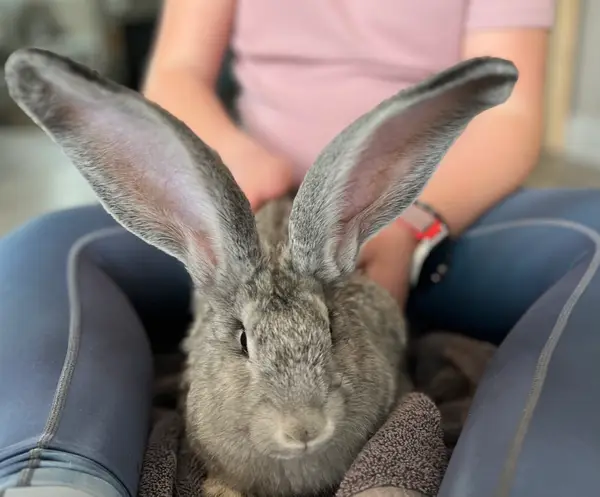
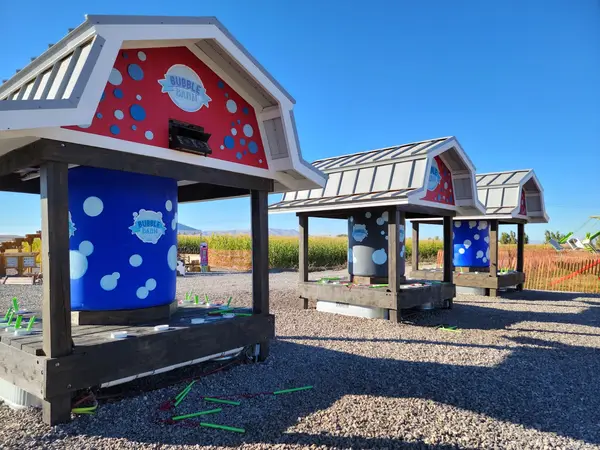
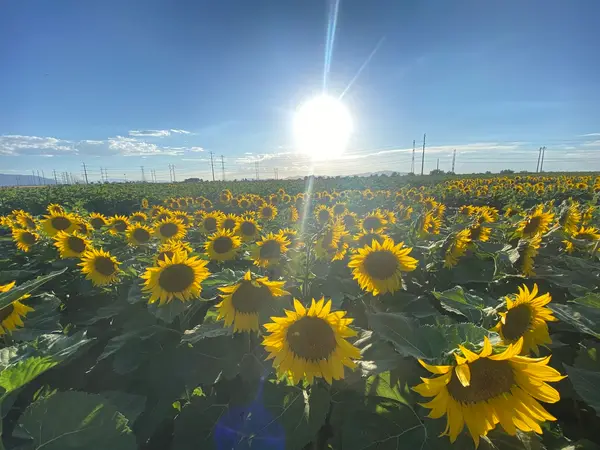
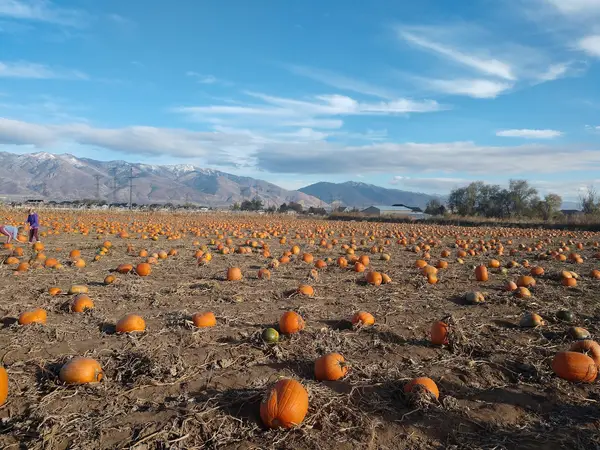
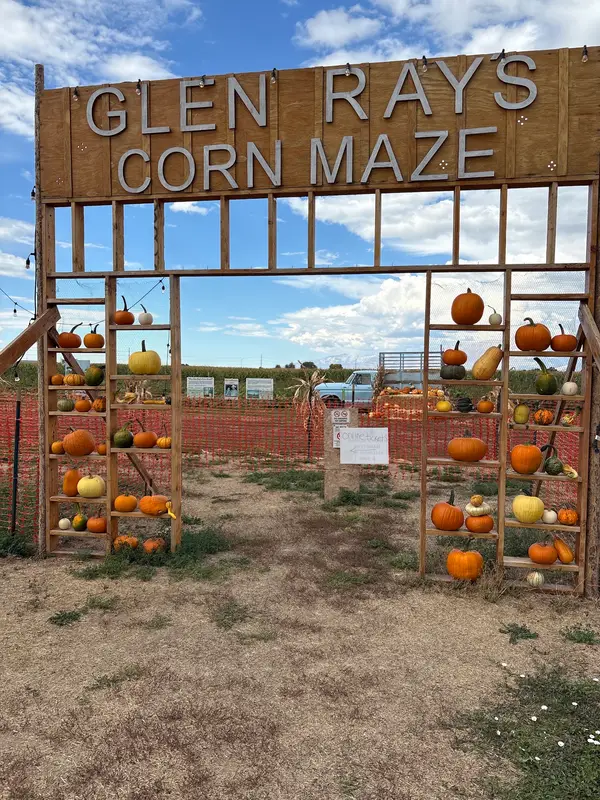
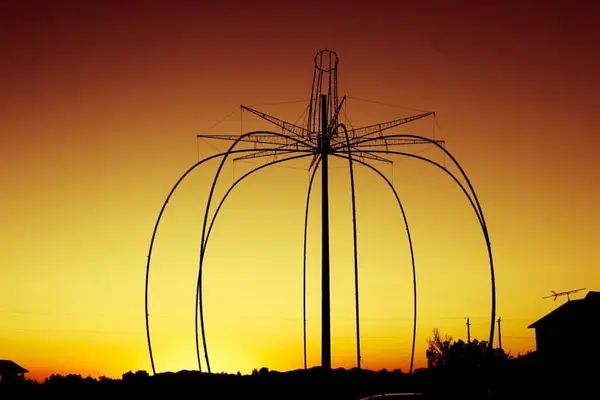
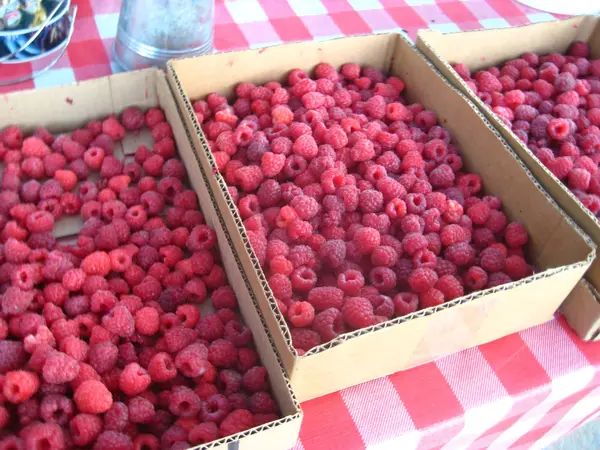
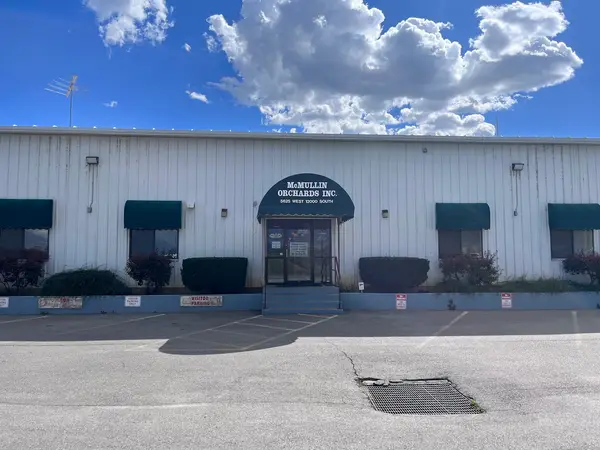
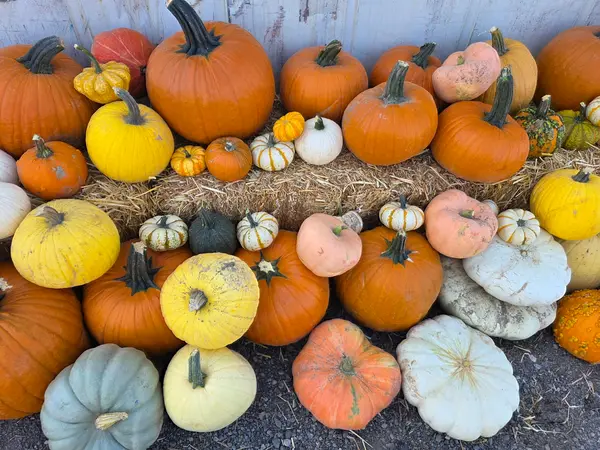
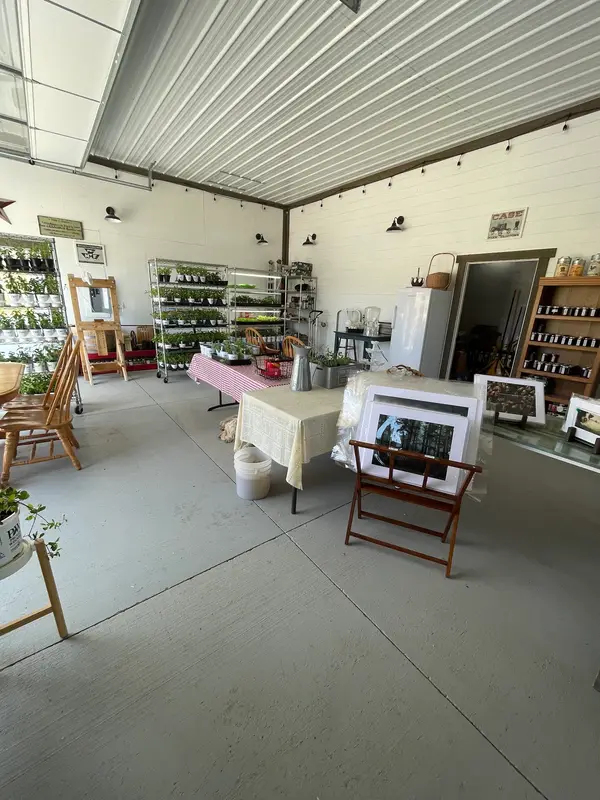
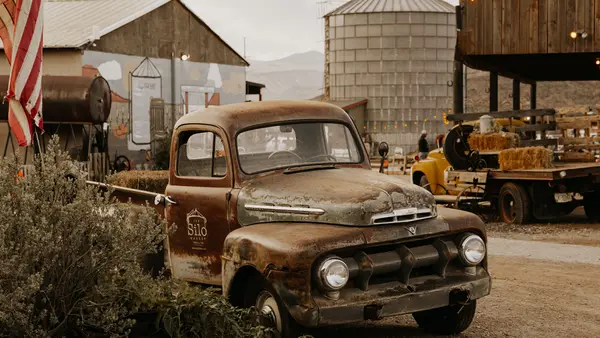
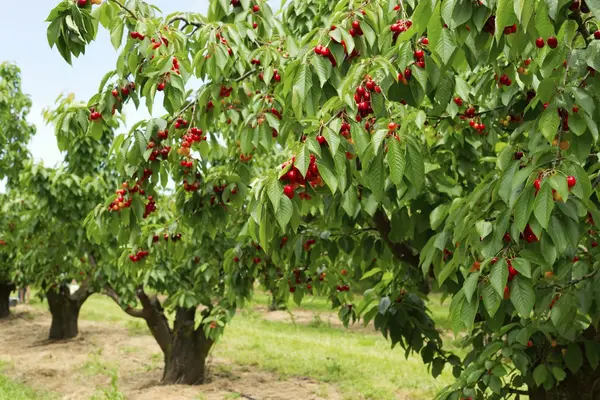
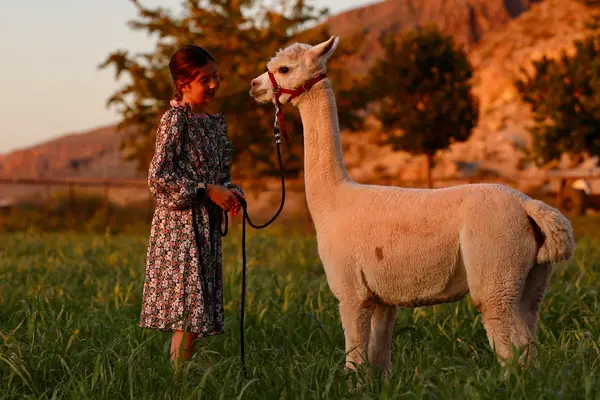
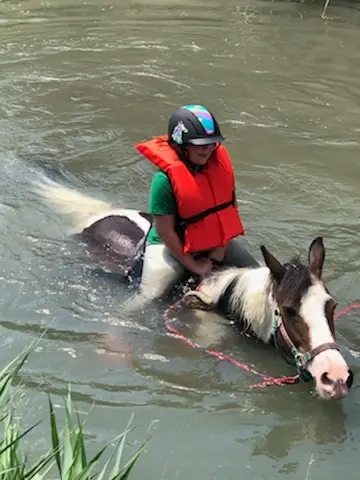
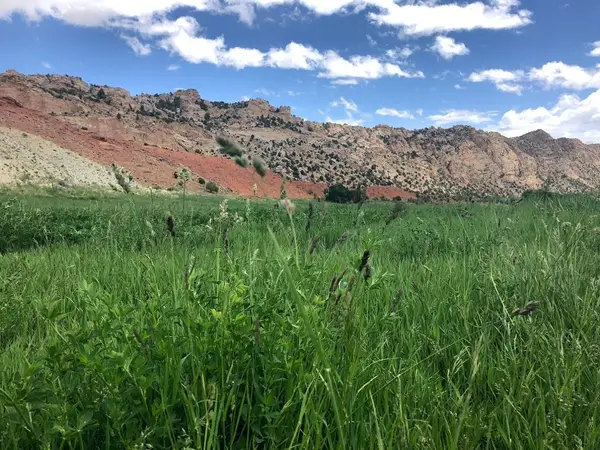
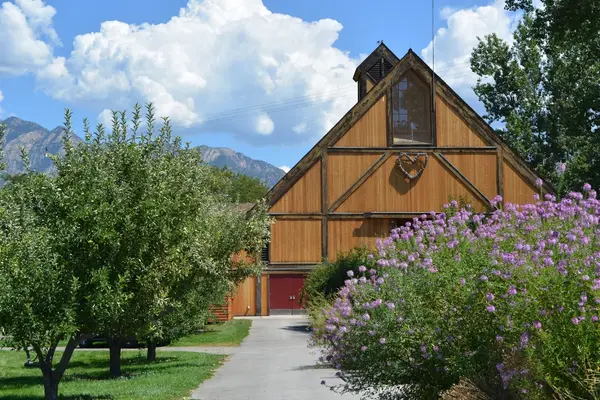
On the map
Farms in Utah
Everything we have mapped in Utah, on one map. Tap anything for its details.
Loads the full map of Utah. We leave it off by default so the page opens fast on mobile data.
About Utah
When to visit Utah farms
Peak Jun–Jul, Sep–Oct
Quick facts
- Farms listed
- 18
- Best season
- April through October
Trip guide
Know before you go in Utah
Federal permits, lotteries and timed-entry reservations in Utah, from Recreation.gov.
Confirm current requirements with the agency that sets them before your trip. Rules and fees change every season.
Agritourism Activity Liability Warnings
Visitors participating in agritourism activities in Utah should expect to see posted warnings about inherent risks as required by the state's Agritourism Activity Liability Protection Act (Utah Code Ann. § 78B-4-512). Adherence to these warnings is crucial for visitor safety.
Food Handler Permit (for onsite prepared foods)
Any farm operation selling or serving prepared foods on-site, beyond basic raw farm products, may require staff to hold a valid Utah Food Handler Permit. This ensures adherence to state-mandated food safety standards.
Utah DABS Licensing (for alcohol sales)
Farms operating wineries, breweries, or distilleries that offer tastings or sales of alcoholic beverages must possess the appropriate licenses from the Utah Department of Alcoholic Beverage Services (DABS). Visitors must comply with state age restrictions for alcohol consumption.
Local Business Licensing and Zoning Compliance
Agritourism businesses, including farm stays, event venues, and retail operations, are typically required to obtain local business licenses and comply with municipal or county zoning ordinances specific to their type of operation. Requirements vary by locality; verify with the specific farm or venue.
01Are pets allowed at Utah agritourism destinations?
02Do I need reservations for U-pick or farm visits?
03What should I wear for a U-pick fruit or berry outing?
04Can I purchase farm products directly from agritourism locations?
05What is the best time of year to visit Utah for fruit picking?
06Are farm stays in Utah suitable for families with young children?
Free tools
Your free outdoor toolkit


Keep exploring