Farms & Vineyards · New Mexico
Farms & Vineyards in New Mexico
Visit 20 farms across New Mexico. Maps, hours, contact info, photos, and verified operator profiles, all in one place.
Sky islands, the Rio Grande, and high-desert mesa country.
About New Mexico
Best time to go
When to visit New Mexico farms
April through November for low desert; June through October for high country.
- June–August: berries, lavender, and long farm-stand days
- September–October: crush season in wine country and the apple harvest
- California’s mild winters keep farm stays and citrus going year-round
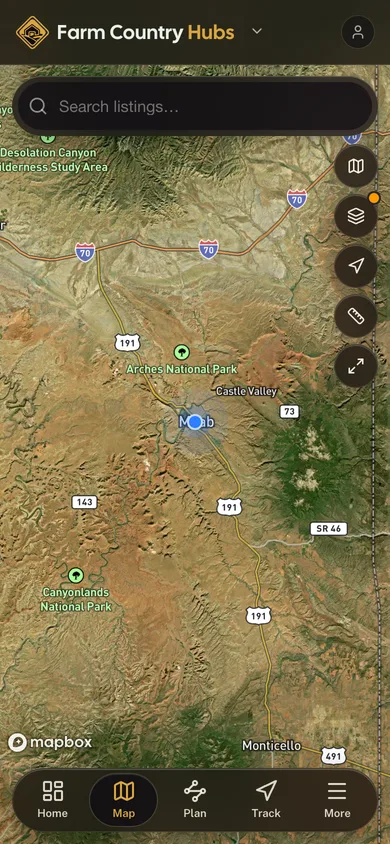
20 on the map
Tap a pin to open its profile.
Quick facts
- Farms listed
- 20
- Best season
- April through November
All listings
20 farms
across New Mexico


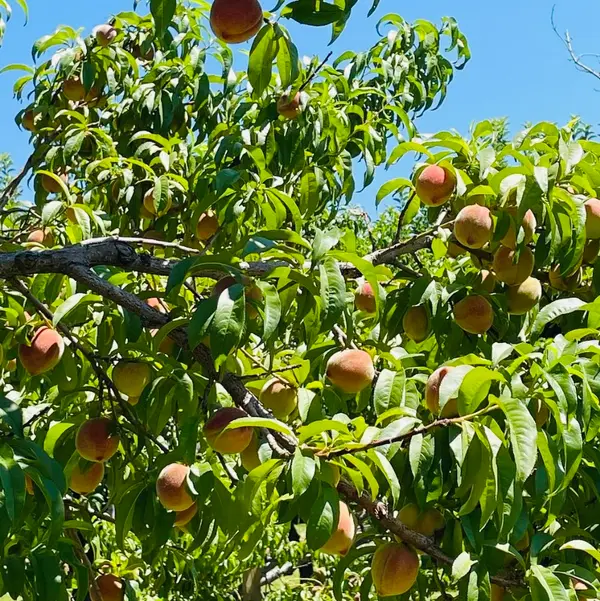
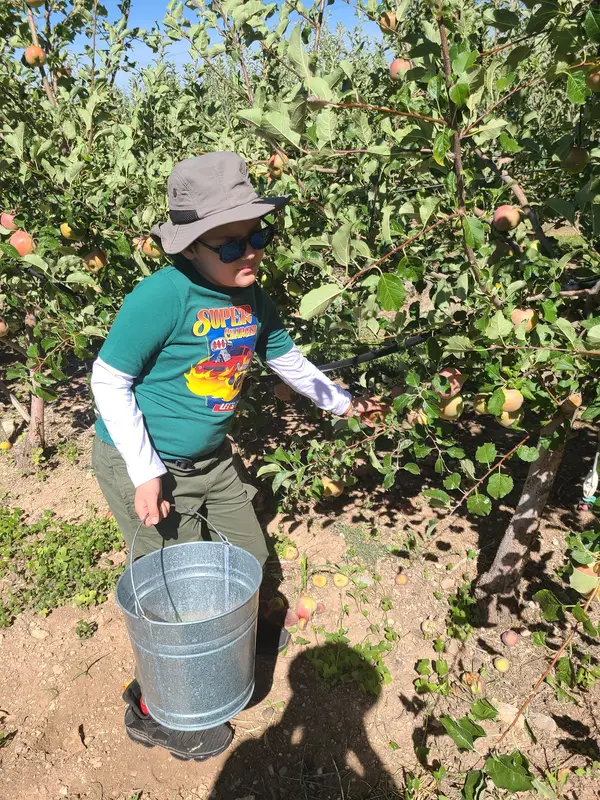
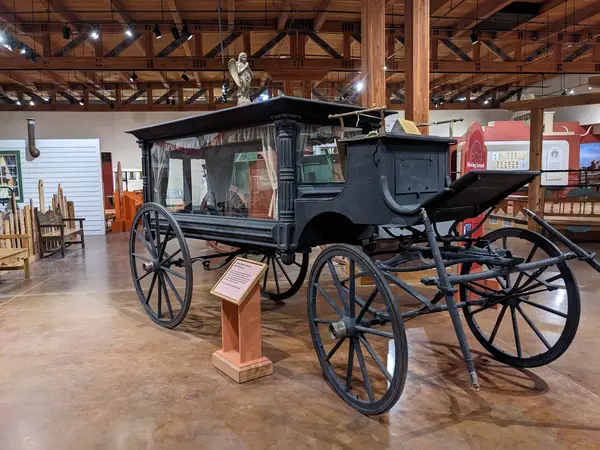
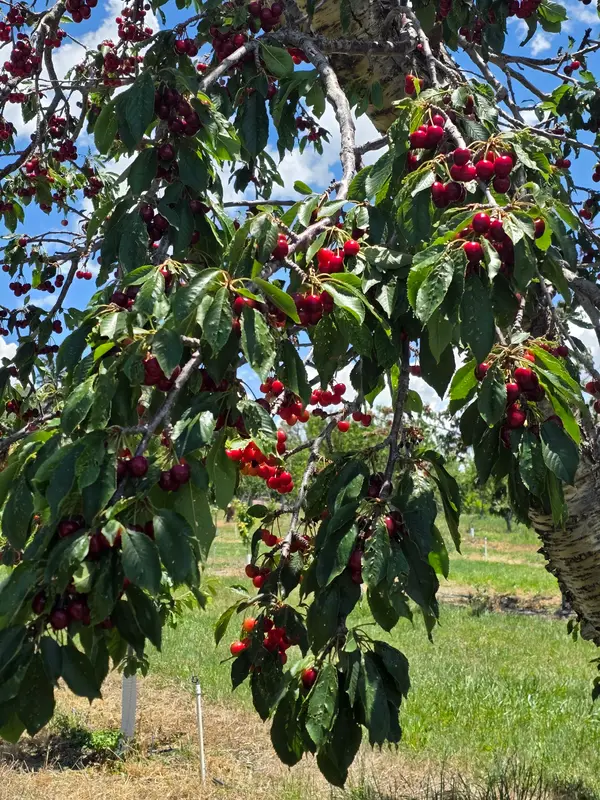
Plan your trip
Plan your trip to New Mexico
New Mexico Agritourism Liability Act
New Mexico has not enacted an agritourism-specific liability statute, so operators rely on general premises-liability law, posted warnings, and signed waivers to limit their exposure for the inherent risks of farm activities. Visitors typically assume the inherent risks of participating in such activities, so understanding and adhering to posted rules and warnings is crucial for personal safety.
On-Farm Food Sales and Cottage Food Rules
Producers selling food directly from their farms, including baked goods, jams, and produce, must adhere to state and local food safety guidelines. New Mexico's Cottage Food Act permits certain non-potentially hazardous foods to be made in a home kitchen for direct sale, but specific regulations apply regarding labeling and sales limits. Always verify with the farm operator about their compliance.
Winery and Brewery On-Site Sales
Wineries and breweries operating on farms require specific licenses from the New Mexico Alcoholic Beverage Control Division for on-site tastings and sales. Visitors should confirm operating hours and any reservation requirements for tasting rooms, especially for larger groups, as regulations can dictate service protocols.
Pick-Your-Own and Farm Event Safety
When participating in U-pick activities or corn mazes, visitors should always follow farm rules, wear appropriate footwear, and be aware of their surroundings. Farms are working environments with inherent risks, including uneven terrain, farm equipment, and exposure to animals or allergens. Children should be supervised at all times.
Farm Wedding and Event Venue Zoning
For farm wedding venues and other event spaces, local zoning ordinances and county regulations significantly shape what an operator can offer. These rules cover aspects like capacity, noise levels, and infrastructure requirements. Prospective clients should confirm that the venue complies with all necessary permits for their planned event.
Confirm current requirements with the state agency before your trip. Rules and fees change every season.
Agritourism Liability Act
New Mexico has not enacted an agritourism-specific liability statute. Absent one, operators rely on general premises-liability principles, posting warnings and often requiring signed waivers, and a visitor who ignores those warnings or acts negligently may bear responsibility for a resulting injury. Visitors should read and adhere to all posted signs and instructions.
New Mexico LegislatureAlcoholic Beverage Control Licensing
For on-farm wineries, breweries, or distilleries offering tastings and sales, operators must hold valid licenses from the New Mexico Alcoholic Beverage Control Division. Visitors are expected to comply with state laws regarding alcohol consumption, including age restrictions. It is advisable to check the specific venue's licensing and operating hours beforehand.
Food Safety for Direct Sales
Farms selling produce, processed foods, or prepared meals directly to consumers must comply with food safety regulations set by the New Mexico Environment Department. This ensures that products are safe for consumption, whether sold at a farm stand, U-pick operation, or during a farm-to-table event. Visitors should feel confident in the quality and safety of products purchased directly from farms.
Local Zoning and Permits for Events
Farm wedding venues and event spaces must secure appropriate local zoning permits and event licenses from their respective county or municipal authorities. These regulations ensure public safety, manage traffic, and address environmental concerns. Event planners should confirm that their chosen farm venue is fully permitted for the scale and type of event they intend to host.
- 01
Identify Your Agritourism Interest
Decide what you're chasing: a U-pick harvest, a wine trail, a farm stay, a wedding venue. New Mexico spreads its offerings across a big state, so a clear target saves a lot of driving.
- 02
Choose a Region and Season
Where and when matter enormously here. Match the region to your interest and time the trip to its peak, a chile field in harvest season is a different world from the same field in April.
- 03
Research Specific Farms and Venues
With region and season set, use directories like Farm Country Hubs to pull specific farms, vineyards, and venues that fit. Read the details (offerings, amenities, visitor policies), before committing.
- 04
Verify Operating Hours and Make Reservations
Call or check the website before you go. Rural operations change hours with the season and the harvest, and many require reservations for tours, tastings, and stays.
- 05
Plan Your Travel and Accommodations
Distances in New Mexico are real. Sort transportation and lodging early, and budget honest drive times if you're linking multiple farms into one trip.
01What kind of crops are typically available for U-pick in New Mexico?
02Are farm stays available year-round in New Mexico?
03What types of wines are produced in New Mexico?
04Can I bring my pet to a farm or vineyard in New Mexico?
05How do I find farm wedding venues in New Mexico?
Free tools
Your free outdoor toolkit

Everything Map
Listings, trails, spots, clubs and public land on a single full-screen map. Switch layers on and off, then tap any point for the details.
Open Everything MapRoute Planner
Drop stops on a map and watch distance and drive time add up. Export a GPX or share the link.
Open Route PlannerFarm Groups
Browse local clubs with meeting info and how to join, or start your own for free.
Open Farm GroupsPhoto ID
Point your camera at whatever you found and get a structured identification. No signup.
Open Photo IDGear Checklists
Printable, save-as-you-go packing lists. Tick items off and pull them up on your phone.
Open Gear ChecklistsMaintenance Schedules
Pick your machine and get its full service schedule. Add your hours to turn intervals into dates.
Open Maintenance Schedules
Keep exploring