Farms & Vineyards · Texas
Farms & Vineyards in Texas
Visit 30 farms across Texas. Maps, hours, contact info, photos, and verified operator profiles, all in one place.
Hill Country, Big Bend desert, Gulf coast, and the Piney Woods.
About Texas
Best time to go
When to visit Texas farms
October through May for the south/desert; year-round for the Hill Country.
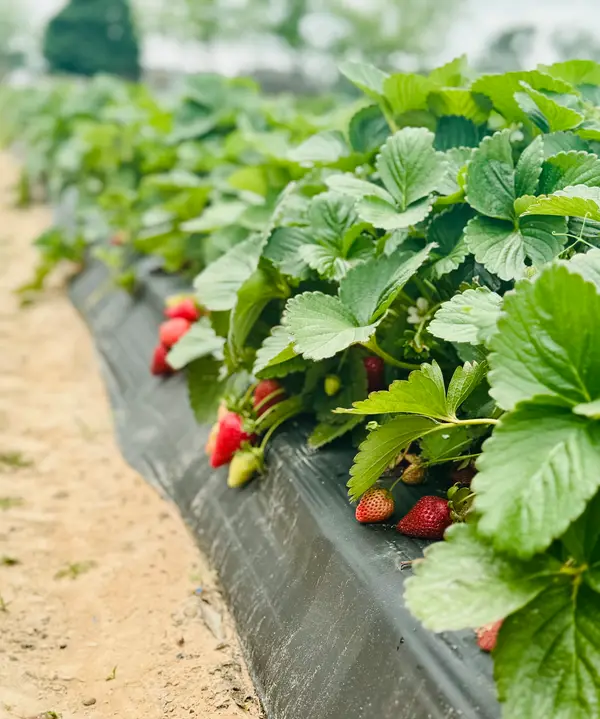
- March–May: the country’s first big u-pick window, strawberries everywhere
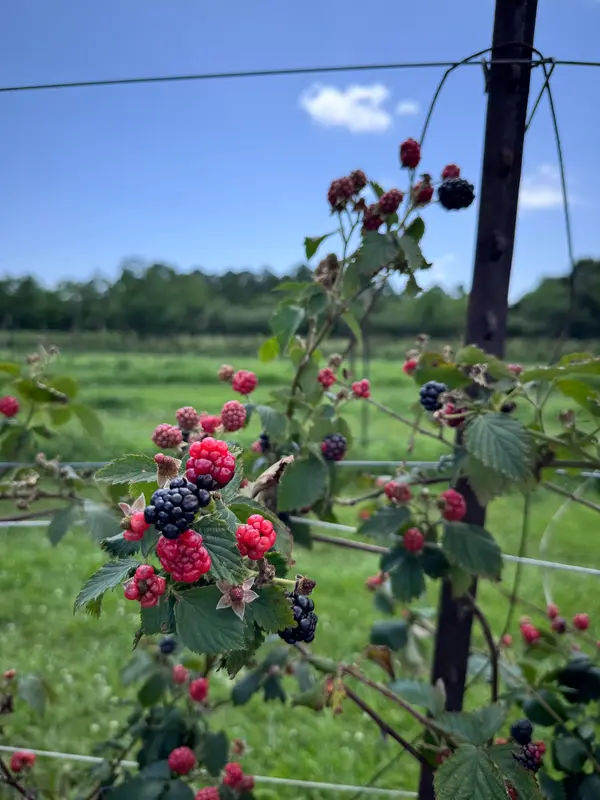
- May–August: peaches, blackberries, and sunflower fields
- October: full fall-festival season with mild weather
30 on the map
Tap a pin to open its profile.
Quick facts
- Farms listed
- 30
- Best season
- October through May
All listings
30 farms
across Texas


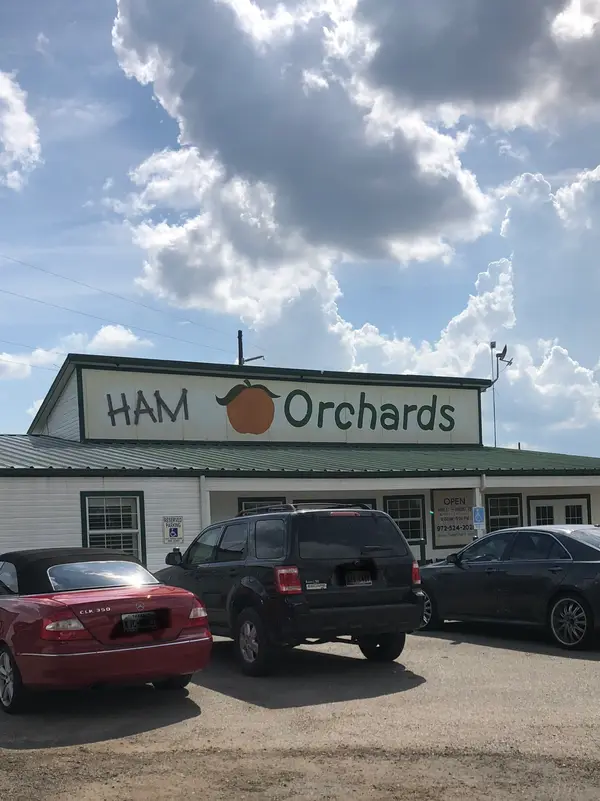
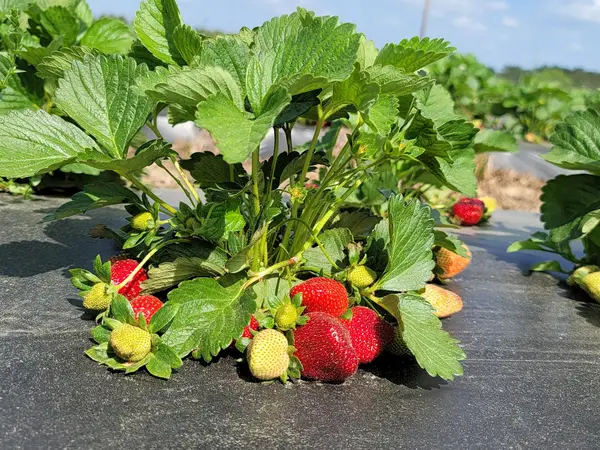
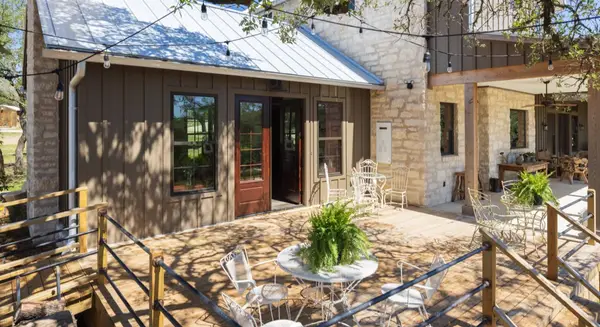
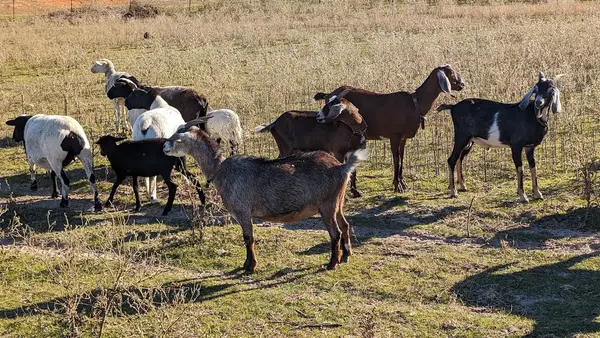
Plan your trip
Plan your trip to Texas
Texas Agritourism Liability Act
Texas has an Agritourism Act (Chapter 75A, Civil Practice and Remedies Code) that limits the liability of agritourism entities for injuries inherent to agritourism activities. This law provides some protection to farm operators, but visitors should still exercise caution and be aware of inherent risks when engaging in farm activities. Always follow posted rules and operator instructions.
Cottage Food and On-Farm Sales
Texas allows the sale of certain 'cottage foods' directly from a producer's home or a farm, without requiring a food establishment license. This applies to non-potentially hazardous foods like baked goods, jams, and jellies. For other processed foods or potentially hazardous items, specific permits from the Texas Department of State Health Services (DSHS) or local health departments may be required. Raw agricultural products typically have fewer restrictions for direct-to-consumer sales.
Winery and Brewery Licensing
On-farm wineries and craft breweries offering tastings and sales must be licensed by the Texas Alcoholic Beverage Commission (TABC). These licenses dictate what types of products can be sold, where, and during what hours. Visitors should expect operators to adhere strictly to TABC regulations regarding consumption and sales on premises.
U-Pick and Corn Maze Safety
Participating in U-pick activities or corn mazes involves inherent risks, such as uneven terrain, exposure to sun and insects, and farm equipment. Operators typically post rules regarding appropriate footwear, children's supervision, and safe conduct. Visitors are advised to wear sturdy shoes, bring water, and remain aware of their surroundings to ensure a safe experience.
Farm Wedding and Event Venue Zoning
For farms operating as wedding or event venues, local zoning ordinances and county regulations can significantly impact what activities are permitted, capacity limits, and operational hours. These rules vary widely by county and municipality, so it is essential for operators to comply, and for visitors to understand that the scope of services might be dictated by these local stipulations.
Confirm current requirements with the state agency before your trip. Rules and fees change every season.
Agritourism Liability Act Awareness
Visitors should be aware of the protections afforded to agritourism operators under the Texas Agritourism Act. This law states that an agritourism entity is not liable for an injury or death of a participant in an agritourism activity if a warning sign is posted or a written warning is provided. Understanding this helps visitors appreciate the need for personal responsibility on farm properties.
Texas Legislature OnlineTexas Alcoholic Beverage Commission (TABC) Rules
For agritourism destinations that include wineries, breweries, or distilleries, all on-site sales and tastings are governed by TABC regulations. Visitors must be 21 years or older to consume alcohol, and operators are legally obligated to refuse service to intoxicated individuals. These rules are strictly enforced to ensure responsible alcohol service.
Food Safety for On-Farm Sales
While raw agricultural products are generally exempt from extensive regulation for direct sales, prepared foods or processed items sold on farms may fall under Texas Department of State Health Services (DSHS) cottage food laws or require a food establishment permit. Visitors purchasing food products should ensure they are properly handled and labeled according to state guidelines, especially for items that are not shelf-stable.
Local Zoning for Event Venues
Farms operating as wedding or event venues are subject to local county or municipal zoning laws. These regulations dictate permissible land uses, noise ordinances, parking requirements, and building codes. Visitors planning to attend events at such venues should understand that the venue's operations are shaped by these local rules, which can vary significantly by location.
- 01
Define Your Agritourism Interest
U-pick, wine tasting, a farm stay, or a farm event, in a state this size, that choice determines which region you're driving to. Settle it first.
- 02
Research Specific Farms and Venues
With a region picked, shortlist specific farms, wineries, or venues and check their websites or social feeds for current hours, seasonal availability, and reservation requirements. Farm information goes stale fast.
- 03
Plan Your Route and Accommodations
Texas distances are no joke, map the drive honestly. If a farm stay isn't on the itinerary, look at lodging in nearby towns, and keep an eye out for local restaurants cooking with farm-fresh ingredients.
- 04
Review Farm-Specific Guidelines and Safety
Read the farm's rules before you arrive: pet policy, what to wear for U-pick, whether outside food and drink are allowed. These are private working properties, treat them that way.
- 05
Prepare for the Texas Climate
The weather runs to extremes. Summer means hats, sunscreen, and more water than you think you need; cooler months mean layers. Sturdy closed-toe shoes belong on your feet at any farm, any season.
01Are pets allowed at Texas agritourism locations?
02What is the best time of year for U-pick experiences in Texas?
03Do I need reservations for farm visits or tastings?
04What should I wear for a farm visit or U-pick activity?
05Can I bring my own food and drinks to Texas agritourism sites?
06Are Texas agritourism venues generally accessible for individuals with mobility challenges?
Watch & learn
Watch & learn, Texas
Family Fun at the Dewberry Farm’s Fall Festival 2023 | Lights, Pumpkin Patch, Rides
Little Frenchy in Big Texas
0Pumpkin Patch, Hayrides, Corn Maze and Haunted House at High Hill Farm Ep #191
The Funny Womacks
0Becker Vineyards Hill Country Wine Tour
Flour, Eggs and Yeast
0
Free tools
Your free outdoor toolkit

Everything Map
Listings, trails, spots, clubs and public land on a single full-screen map. Switch layers on and off, then tap any point for the details.
Open Everything MapRoute Planner
Drop stops on a map and watch distance and drive time add up. Export a GPX or share the link.
Open Route PlannerFarm Groups
Browse local clubs with meeting info and how to join, or start your own for free.
Open Farm GroupsPhoto ID
Point your camera at whatever you found and get a structured identification. No signup.
Open Photo IDGear Checklists
Printable, save-as-you-go packing lists. Tick items off and pull them up on your phone.
Open Gear ChecklistsMaintenance Schedules
Pick your machine and get its full service schedule. Add your hours to turn intervals into dates.
Open Maintenance Schedules

Keep exploring