Farms & Vineyards · Oregon
Farms & Vineyards in Oregon
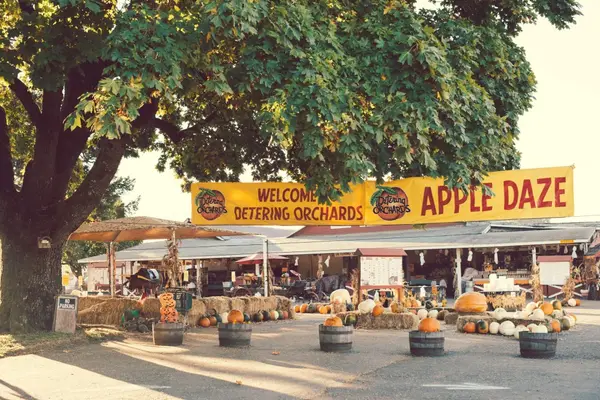
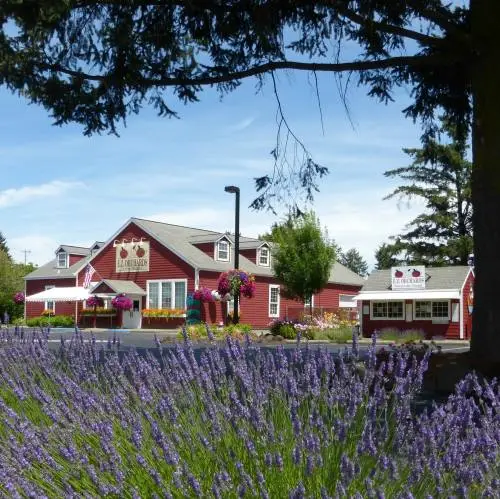
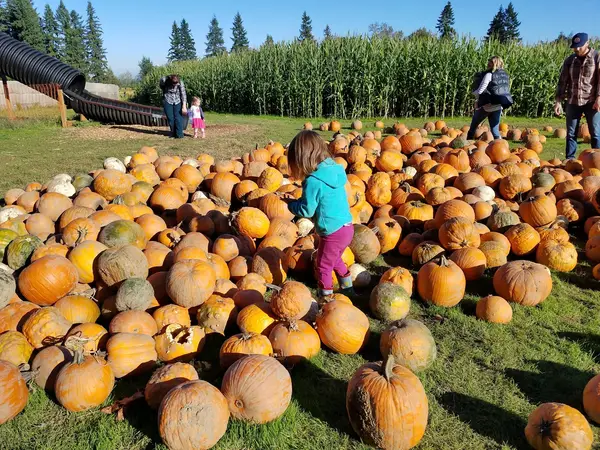
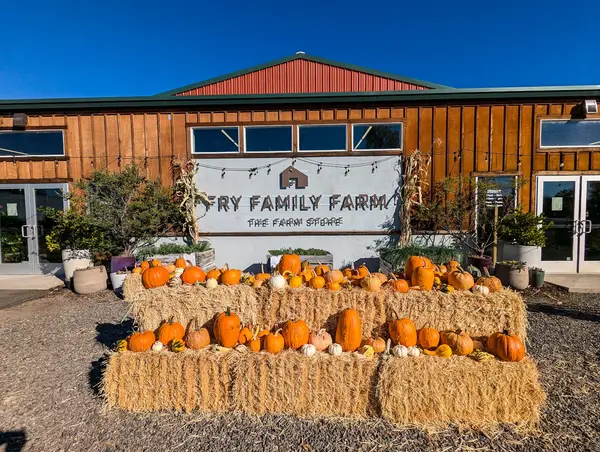
Visit 25 farms across Oregon. Maps, hours, contact info, photos, and verified operator profiles, all in one place.
Cascades, the high desert, and the most varied coastline in the lower 48.
About Oregon
Best time to go
When to visit Oregon farms
June through October.
- June–August: berries, lavender, and long farm-stand days
- September–October: crush season in wine country and the apple harvest
- California’s mild winters keep farm stays and citrus going year-round
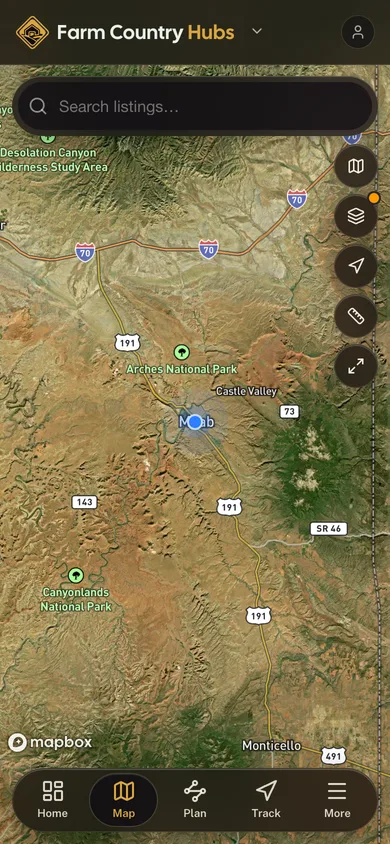
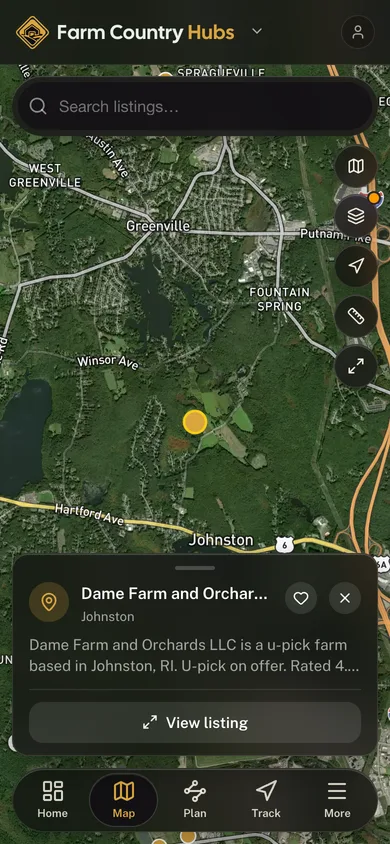
25 on the map
Tap a pin to open its profile.
Quick facts
- Farms listed
- 25
- Best season
- June through October
All listings
25 farms
across Oregon
Plan your trip
Plan your trip to Oregon
Oregon Agritourism Liability
Oregon Revised Statutes 30.671 to 30.677 provide limited liability protection for agritourism professionals. Visitors participating in agritourism activities are deemed to have accepted the inherent risks, and operators are generally not liable for injuries resulting from these inherent risks, provided proper warnings are given.
On-Farm Food Sales and Cottage Food
Oregon's Farm Direct Marketing law allows farmers to sell certain unprocessed agricultural products directly to consumers without a food establishment license. For processed foods, the Oregon Cottage Food Law permits home-based food businesses to sell specific low-risk foods directly to consumers, often at farmers markets or on-farm.
Winery and Brewery Licensing
On-farm wineries and breweries in Oregon operate under specific Oregon Liquor and Cannabis Commission (OLCC) licenses. These licenses dictate the scope of their tasting room operations, sales, and event hosting capabilities. Visitors should verify specific offerings directly with the establishment.
U-Pick and Farm Safety
Participating in U-pick activities, corn mazes, or farm tours requires adherence to safety guidelines provided by the farm. This often includes staying in designated areas, wearing appropriate footwear, and supervising children closely to ensure a safe and enjoyable experience for all.
Farm Wedding Venue Zoning
Zoning regulations in Oregon can impact the types and scale of events, including weddings, that a farm or rural property can host. Operators typically navigate these rules through conditional use permits or specific agricultural zoning allowances. Prospective couples should confirm venue capabilities and compliance with local regulations.
Confirm current requirements with the state agency before your trip. Rules and fees change every season.
Oregon Agritourism Liability Warning
Agritourism operators in Oregon are required by ORS 30.677 to post specific warning signs to inform visitors of the inherent risks associated with agritourism activities. This warning typically states that participants assume the inherent risks of an agritourism activity.
Oregon LegislatureOregon Liquor and Cannabis Commission (OLCC) Licensing
Wineries, breweries, and distilleries operating on farms in Oregon must obtain and maintain appropriate OLCC licenses for manufacturing, tasting room operations, and direct sales. These licenses ensure compliance with state alcohol laws regarding production, service, and sales.
Oregon OLCCFarm Direct Marketing & Cottage Food Law Compliance
Farms selling unprocessed products directly to consumers must adhere to Oregon's Farm Direct Marketing rules. For processed food items, operators must comply with the Oregon Cottage Food Law, which outlines permissible products, labeling, and sales channels for home-based food businesses.
Oregon Department of Agriculture
- 01
Define Your Agritourism Interests
A U-pick morning, a wine-tasting weekend, a farm stay, and a farm wedding are four different plans. Pick the trip you're actually taking before you start shortlisting farms.
- 02
Research Specific Farms and Venues
Work through online directories and local tourism boards to find the farms, vineyards, and venues that fit, then check their hours and what's in season before you build the itinerary around them.
- 03
Verify Booking and Reservation Needs
Farm stays, tasting rooms, and popular U-pick fields often book up in peak season. Confirm reservation requirements early so the trip doesn't hinge on a walk-in that isn't allowed.
- 04
Review Farm-Specific Guidelines
Check the farm's website or call ahead for their rules and what to bring: sturdy footwear, containers for U-pick, whatever the operation asks for. Each farm runs things its own way.
- 05
Plan Your Route and Accommodations
Oregon's farm country is spread out, and the drives between stops are part of the trip. Budget realistic driving times and lock in lodging nearby if you're stringing together multiple visits.
01What types of U-pick farms are common in Oregon?
02Are farm stays available year-round in Oregon?
03Can I bring my children to Oregon wineries and breweries located on farms?
04What is the best time of year for farm weddings in Oregon?
05Are pets allowed at agritourism destinations in Oregon?
06Do I need reservations for vineyard tastings or farm tours?
Free tools
Your free outdoor toolkit

Everything Map
Listings, trails, spots, clubs and public land on a single full-screen map. Switch layers on and off, then tap any point for the details.
Open Everything MapRoute Planner
Drop stops on a map and watch distance and drive time add up. Export a GPX or share the link.
Open Route PlannerFarm Groups
Browse local clubs with meeting info and how to join, or start your own for free.
Open Farm GroupsPhoto ID
Point your camera at whatever you found and get a structured identification. No signup.
Open Photo IDGear Checklists
Printable, save-as-you-go packing lists. Tick items off and pull them up on your phone.
Open Gear ChecklistsMaintenance Schedules
Pick your machine and get its full service schedule. Add your hours to turn intervals into dates.
Open Maintenance Schedules

Keep exploring