Skip to content
Oregon farm country. Backdrop for the Farm Country Hubs Oregon directory

Farms & Vineyards · Oregon

Farms & Vineyards in Oregon

Visit 26 farms across Oregon. Maps, hours, contact info, photos, and verified operator profiles, all in one place.

Cascades, the high desert, and the most varied coastline in the lower 48.

Updated

On the map

Farms in Oregon

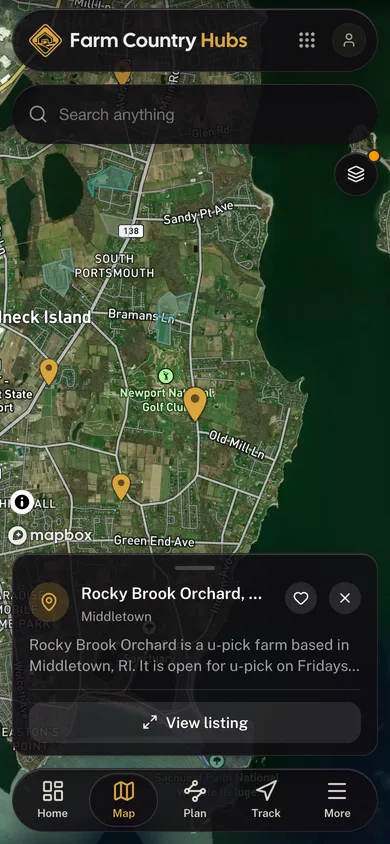
Everything we have mapped in Oregon, on one map. Tap anything for its details.

Loads the full map of Oregon. We leave it off by default so the page opens fast on mobile data.

About Oregon

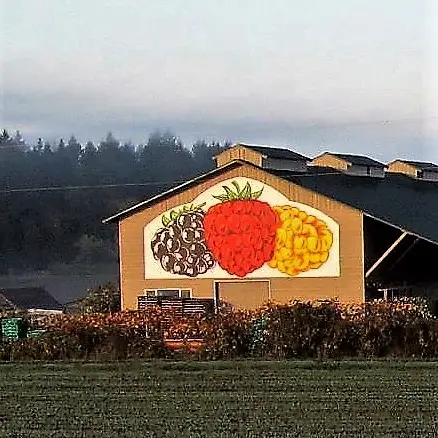
Berry rows, hazelnut orchards, and Pinot Noir vines, Oregon farms as intensely as any state in the country, and much of that farmland is open to visitors. The Willamette Valley, the Hood River Valley, and the sun-baked vineyards of Southern Oregon each grow different things and reward a different kind of trip. You can spend a morning filling buckets in a U-pick field, an afternoon in an estate tasting room, and an evening at a farm brewery pouring pints made a hundred yards from the field. The state's stack of microclimates means something is always ripening somewhere.

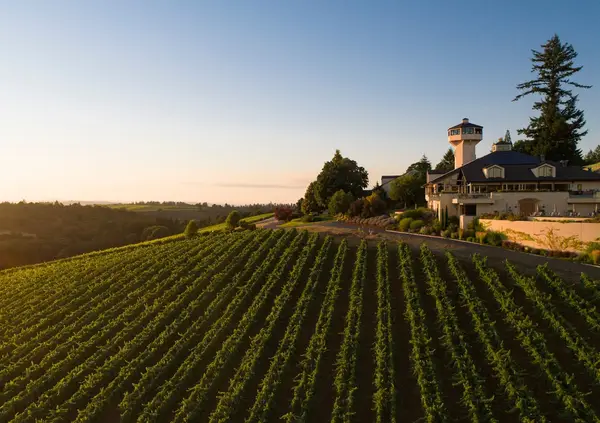
Start with the Willamette Valley, which runs from Portland south to Eugene and holds the state's agricultural center of gravity. Its Pinot Noir is famous worldwide, but the valley also grows berries, hazelnuts, and specialty crops in quantity: a day here might mean an estate winery tasting, a walk through a hazelnut orchard, and a flat of U-pick blueberries or strawberries in the trunk. East of the Cascades, the Hood River Valley is pear and apple country, its orchards climbing toward Mount Hood. Cideries and roadside fruit stands fill in the gaps between U-pick stops.

Southern Oregon is a different climate and a different glass. The Rogue and Umpqua Valleys run warmer, so the vineyards there pour Tempranillo and Syrah instead of cool-climate varietals, and the fields fill out with lavender farms and artisan food producers. Towns like Ashland and Grants Pass anchor the farm-to-table dining. And beyond the marquee valleys, small pockets of agriculture across the state offer their own detours (an alpaca farm here, an organic vegetable operation there), each one a reason to take the slower road.

For a deeper stay, Oregon's farm stays put guests inside the working day: chores if you want them, farm-sourced meals either way, and the sounds of an operation waking up around you. Farms and vineyards across the state, especially in the Willamette Valley and around Hood River, also double as wedding venues, trading ballroom polish for barn timber, vine rows, and a horizon that does the decorating for you.

When to visit Oregon farms

Peak Jun–Jul, Sep–Oct

Full season

Quick facts

Farms listed
26
Best season
June through October

Trip guide

Know before you go in Oregon

Federal permits, lotteries and timed-entry reservations in Oregon, from Recreation.gov.

Confirm current requirements with the agency that sets them before your trip. Rules and fees change every season.

  • Oregon Agritourism Liability Warning

    Agritourism operators in Oregon are required by ORS 30.677 to post specific warning signs to inform visitors of the inherent risks associated with agritourism activities. This warning typically states that participants assume the inherent risks of an agritourism activity.

    Oregon Legislature
  • Oregon Liquor and Cannabis Commission (OLCC) Licensing

    Wineries, breweries, and distilleries operating on farms in Oregon must obtain and maintain appropriate OLCC licenses for manufacturing, tasting room operations, and direct sales. These licenses ensure compliance with state alcohol laws regarding production, service, and sales.

    Oregon OLCC
  • Farm Direct Marketing & Cottage Food Law Compliance

    Farms selling unprocessed products directly to consumers must adhere to Oregon's Farm Direct Marketing rules. For processed food items, operators must comply with the Oregon Cottage Food Law, which outlines permissible products, labeling, and sales channels for home-based food businesses.

    Oregon Department of Agriculture
01What types of U-pick farms are common in Oregon?
Berries are the headliner: blueberries, strawberries, raspberries, and marionberries, with the Willamette Valley the epicenter. The Hood River Valley adds U-pick cherries and pears, and come fall you'll find apples and pumpkins across most regions of the state.
02Are farm stays available year-round in Oregon?
Many are, and the season changes the experience. Summer and fall put you in the middle of harvest and full-tilt farm work; winter and spring are quieter: early preparations, slower mornings, more time by the fire. Check each farm's availability individually.
03Can I bring my children to Oregon wineries and breweries located on farms?
Often, yes, plenty of farm wineries and breweries have outdoor space or family areas where kids are welcome. Policies on minors in tasting rooms and event spaces vary by establishment, though, so confirm with the venue before you go.
04What is the best time of year for farm weddings in Oregon?
Late spring through early fall, roughly May to October, is the prime window, when the weather cooperates and the landscape is at its best. Summer brings warm, dry days; early fall trades a little warmth for foliage. Popular dates go fast, so book well ahead.
05Are pets allowed at agritourism destinations in Oregon?
It varies farm to farm. Some with big outdoor areas welcome leashed dogs; others prohibit pets outright over food safety, livestock, or visitor-safety concerns. Confirm the policy with the farm or venue before your dog is already in the back seat.
06Do I need reservations for vineyard tastings or farm tours?
For casual fruit stands and drop-in U-pick, usually not. For vineyard tastings, structured farm tours, and anything on a peak-season weekend, plan on booking, many Oregon tasting rooms now run on reservations. Check the venue's website or call ahead.

Keep exploring

Nearby states