U-pick farms represent one of the most rewarding agritourism experiences available, and blueberries are a standout crop. Unlike strawberries, which have a narrow spring window, blueberries ripen over weeks and across a wide geographic range, meaning there's always a u-pick farm in season somewhere in the country. Whether you're in Michigan, North Carolina, or the Pacific Northwest, fresh blueberries straight from the bush deliver flavor that no grocery store can match. This guide walks you through the season, what to expect on arrival, and how to make the most of a farm visit.
Understanding Blueberry Season: Timing Across the U.S.
Blueberries don't ripen all at once, and they ripen at different times across the country. Early-summer zones (late May to mid-June) include the Southeast, particularly North Carolina and Georgia, where warm temperatures accelerate ripening. Mid-summer (July into August) is peak season across the upper Midwest and Northeast: Michigan, New York, and Pennsylvania come into their window during this stretch. Late-summer and early-fall picking (August into early September) shifts to Maine's wild-blueberry barrens, the upper Midwest, and especially the Pacific Northwest, where climate extends the season well past July.
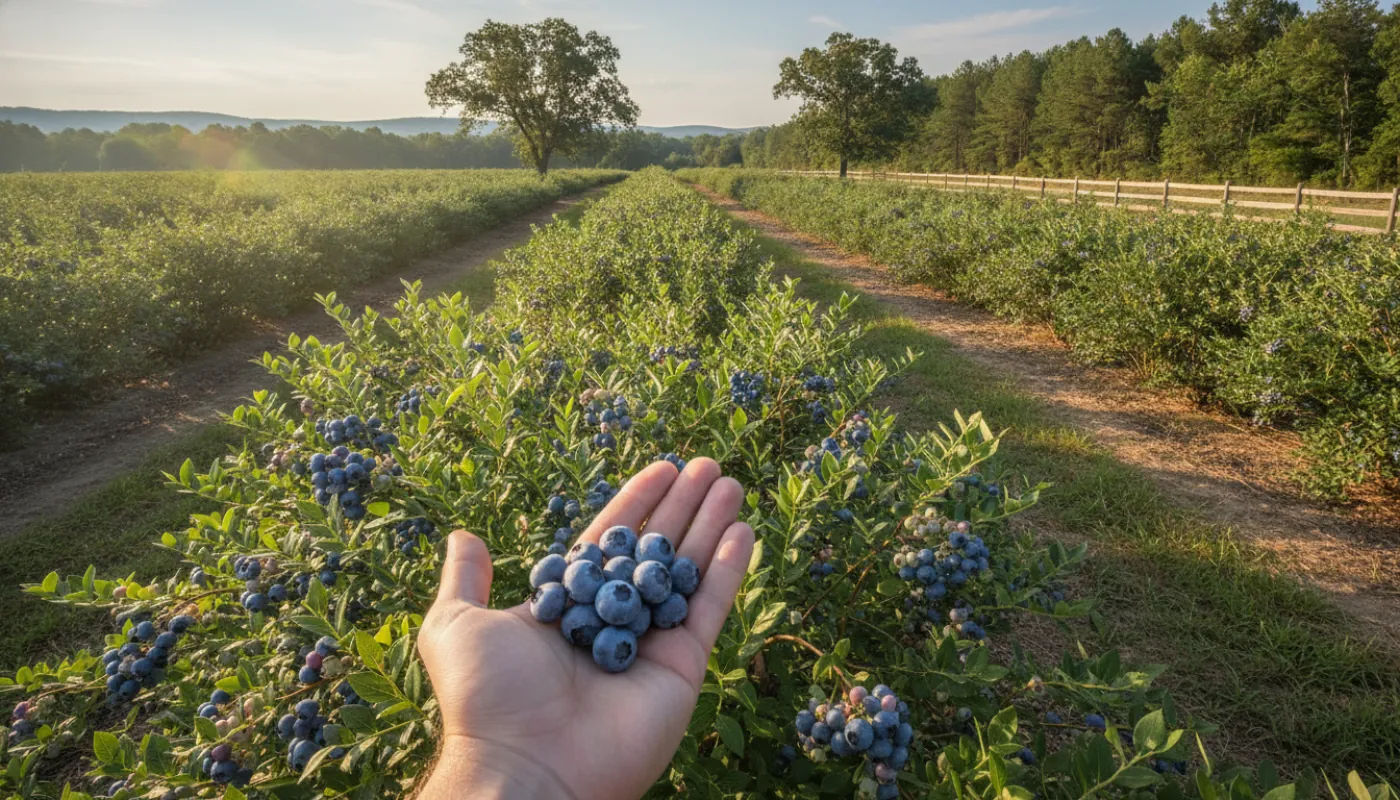
This staggered ripening is actually a feature, not a bug. A well-managed u-pick farm plants multiple varieties with different ripening windows, so they can accommodate visitors throughout the summer. Some farms specifically breed their fields to extend their own picking season by two to three weeks. When you call ahead to ask whether it's a good time to visit, farms will be honest, they know that disappointed visitors don't return. The timing matters profoundly for quality. Blueberries don't ripen off the bush, they won't sweeten after picking, so pick them fully ripe. Only the blue berries are ripe; the lighter ones will have a sharp taste and mealy texture. Peak flavor occurs when berries reach a deep blue-purple color and fall off the stem with a gentle tug. This is exactly what commercial pickers miss while racing to fill crates. As a farm operator, this is your sell: visitors leaving with hand-picked, ripe fruit will talk about your operation and return yearly. A crowded but poorly-timed patch produces one-time visitors and negative reviews.
What You'll Find at a U-Pick Blueberry Farm
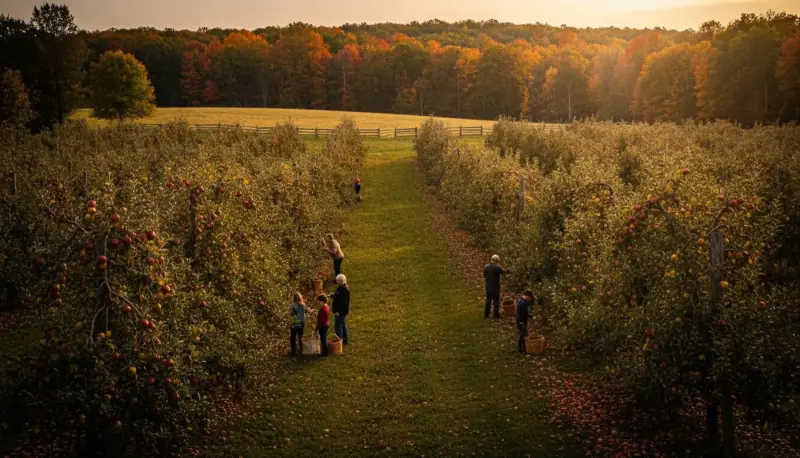
A serious u-pick operation isn't casual. The best farms have laid out their rows in straight lines, leaving clear pathways for visitors. Some fence off sections and open only the ripest patches, this isn't stinginess, it's farm stewardship. Fields that allow visitors to roam anywhere tend to have trampled plants and stressed bushes. The smart farms also provide picking containers (usually 2–5 pound crates or baskets) free or for a small deposit, and some have a shaded pavilion where families can weigh and pay without baking in direct sun.
Water access varies widely across operations. A farm with a well or hose by the parking area shows they understand that families will be outside in summer heat. Restroom facilities range from porta-potties to proper bathhouses; this is worth asking about before you go, especially if you're bringing small children. Farms that allow dogs, and farms that don't, are typically clear about it upfront. The best u-pick operations train their seasonal staff to be present but not intrusive. Visitors appreciate someone who can point them toward the ripest section or explain which variety they're picking, but they don't want hover-monitoring. Farms that hire experienced pickers as guides create a better visitor experience and get fewer complaints about over-picked patches. Pricing typically ranges from about $3 to $6 per pound, depending on region and year, though some farms charge by the container, a flat rate of $8–$15 for a 2–3 pound crate. The markup covers the labor of pruning, pest management, irrigation, and staffing. Visitors who understand this tend to be more relaxed about their visit and more likely to return.
Preparation and Picking Technique
Dress for heat and sun exposure. The heat reflecting off bare ground can be intense in midsummer. Wide-brimmed hats are essential. Wear light, long-sleeved clothing if you have sensitive skin, the sun at ground level is deceptive. Closed-toe shoes protect your feet from uneven ground. Bring a cooler with water; dehydration is real, and farms often have limited shade. Sunscreen is non-negotiable, especially for children. The reflection off the ground intensifies UV exposure.
Picking technique matters more than beginners realize. Gently roll ripe berries between your thumb and fingers, they should drop into your hand without resistance. Berries that require a hard tug or squeezing are underripe. Overripe berries burst and stain your hands and clothing. It's tedious to sort through a crate later and remove mush. Pick into a shallow container, not a deep bucket, because berries compress under their own weight. Limit crates to 3–4 pounds per container to avoid crushing fruit at the bottom. Many farms provide shallow crates for exactly this reason. Work early if possible. A 7 or 8 a.m. arrival means cooler temperatures, riper berries (bees have been active), and fewer crowds. Mid-afternoon heat exhausts both visitors and the berries, fruit stressed by heat is more fragile. It's an additional reason farms love morning visitors and often extend their hours to accommodate early pickers.
Making Your U-Pick Visit a Family Experience
U-pick blueberry farms work best as a multigenerational or extended-family outing. Children under 6 typically pick slowly and eat more than they collect, but they love the novelty, and the pace keeps parents relaxed. Older children (6–12) can pick methodically and take pride in filling their own crate. Bringing older kids, cousins, or grandparents creates a social event, not just a chore. Some farms host adjacent attractions: a farm stand for local honey or preserves, a small playground, or even a picnic area. Before visiting, check whether food and drink are allowed on the grounds, or whether the farm expects you to buy from their cafe. Policies vary widely.
Plan a realistic time window. Most families spend 45 minutes to 1.5 hours picking, depending on experience and targets. Arriving just before closing leaves you rushed. A mid-morning start gives you padding to chat with staff, photograph the field, and enjoy the experience without pressure. After picking, use your berries quickly. Fresh u-picked blueberries store in the refrigerator for 4–5 days but are best within 2 days. Recipes (jam, baked goods, frozen packs for winter), extend the memory of your visit. Many farms print or email simple recipes; farms that do this are building customer loyalty for next season. Check for farm events too. Some operations host morning breakfast-and-pick gatherings in peak season, or offer group rates for family reunions. These add value and turn one-off visitors into recurring customers who list their farms word-of-mouth and recommend them to friends.