Pumpkin patches and corn mazes have become the unofficial gateway to fall for millions of families each year. There's something about stepping into a field striped with orange gourds, the smell of hay and wood smoke, and the familiar challenge of finding your way out of a towering maze that signals the season's arrival. But what exactly happens when you arrive, and how do you make the most of your visit? Whether you're a first-timer wondering what gear to pack or a returning enthusiast looking to skip the crowds, understanding the rhythms of a fall farm day transforms it from a simple outing into a genuine seasonal ritual. The farms that do this best aren't just showcasing their land, they're orchestrating an experience that feels both timeless and carefully constructed.
What to Expect at a Fall Pumpkin Patch
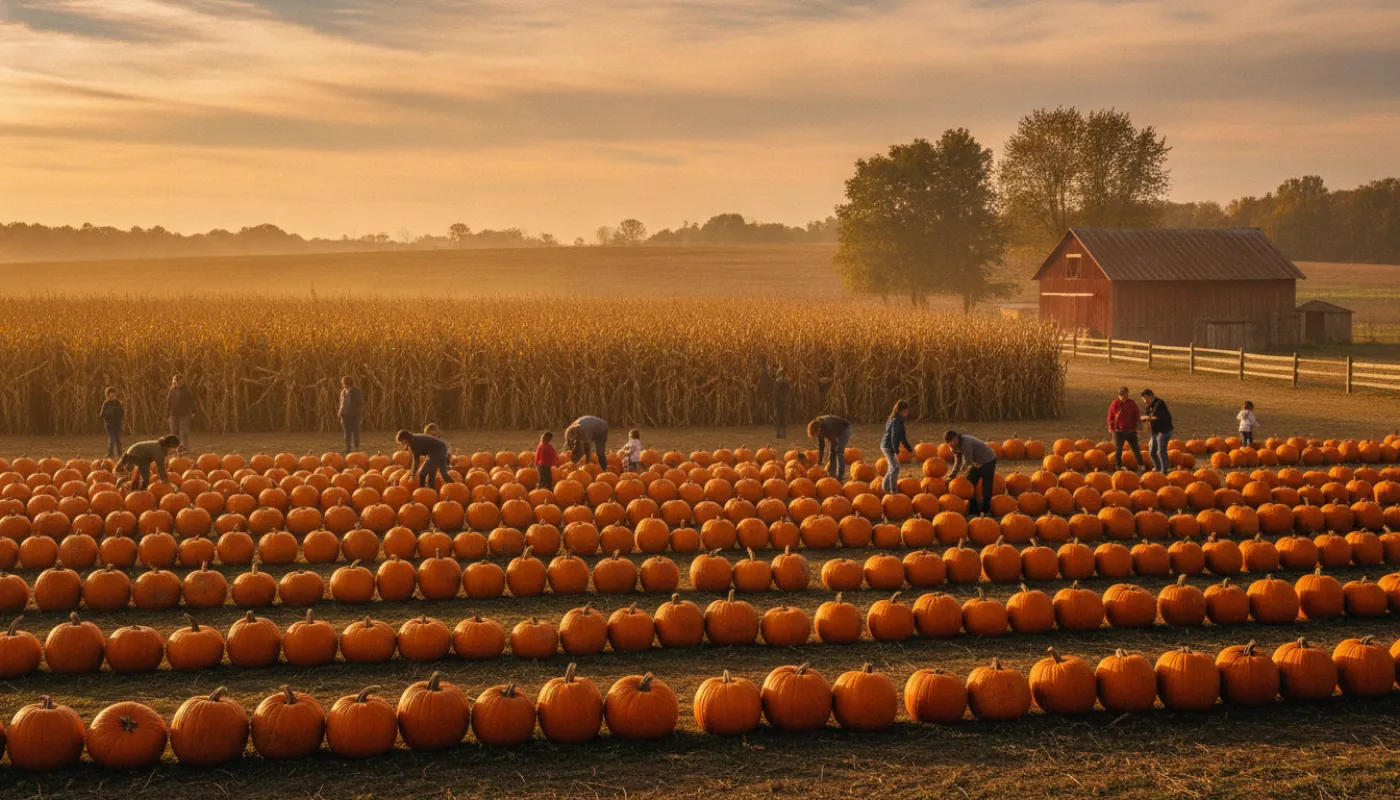
The central appeal of a pumpkin patch is deceptively simple: you walk through a field, find a pumpkin you like, and either pick it yourself or take it home from the farm's stock. In practice, the experience varies wildly depending on the farm's size, philosophy, and foot traffic. Large operation farms with established reputations often spread multiple acres of pumpkins across difficulty zones: smaller decorative varieties near the entrance for kids, genuine carving pumpkins in the mid-field, and specimen-size trophy pumpkins further out. The farms that handle crowds well make the picking process transparent: clearly marked rows, pruning shears available at stations rather than assuming you bring your own, and staff circulating to answer questions about which varieties work best for different purposes.
The quality of the pumpkins themselves matters far more than most first-time visitors assume. The variety, ripeness, and handling during growth determine whether your pumpkin lasts two weeks or two months in your home. Farms that prioritize storage and presentation keep their fields well-maintained and harvest at peak ripeness rather than picking underripe fruit to extend the field-available window. When you arrive, inspect the pumpkin you've chosen for soft spots and blemishes. A farm's willingness to let you examine and replace a pumpkin is a good sign, it means they stand behind their crop and understand that a pumpkin you love will bring you back next year.
Navigating a Corn Maze: Tips and Traditions
A corn maze has become nearly mandatory at any farm offering a fall experience, yet many visitors approach them with too much seriousness or too little strategy. The maze itself is designed to be solvable, there's no trick, no trap that keeps you wandering forever. What separates an enjoyable 15-minute experience from a frustrating 45-minute one is understanding a basic principle: keep one hand on the corn wall and follow it, always turning the same direction when you encounter a junction. On a simple maze, this left-hand or right-hand rule reliably walks you to an exit, consistency is what matters. But it isn't foolproof: many modern commercial corn mazes are deliberately built with bridges and detached "islands" specifically to beat the wall-follower, and on those layouts a single hand on the wall can loop you indefinitely. Grabbing the map most farms provide, or noting checkpoints and landmarks as you go, is the more reliable way through.
Before you enter, ask the farm staff how long the maze typically takes and what difficulty level you're walking into. Some farms maintain mazes specifically for young children with shorter paths and simpler routing. Others design for adults and reward strategic thinking. Knowing the intended audience prevents disappointment. Peak season maze traffic, the weekends in mid-to-late October, creates congestion that transforms a navigation puzzle into a people-management exercise. If you're visiting with kids, consider arriving on a weekday if your schedule allows, or go very early on weekend mornings when the field is still quiet.
The maze also functions as a measuring stick for how well a farm maintains its grounds. Clean paths, clearly cut walls, and minimal damage from prior visitors indicate good stewardship. A corn maze that's becoming a mud slick or has collapsed sections suggests the farm is overwhelmed or not prioritizing visitor care. That matters because it correlates with how you'll experience the rest of your day.
Planning Your Visit: Timing, Costs, and Essentials
Pumpkin patch season officially spans September through Halloween, but the experience changes dramatically throughout that window. Early September visits to a fresh patch mean smaller crowds, wider selection, and better ground conditions, but the pumpkins are smaller and the corn maze sometimes hasn't fully matured. Late October is peak color and peak family attendance, with longer waits and more competition for premium pumpkins. The ideal window for most visitors is early-to-mid October, when the patch is established, the maze is fully navigable, and the weekend chaos hasn't yet overwhelmed the property.
Admission costs vary widely depending on the farm's location and offerings. Some farms charge per vehicle, others charge per person, and some offer free admission with the expectation you'll spend money in their farm store or on food. Pumpkin prices typically scale with size and rarity, from a few dollars for small decorative gourds to $30 or more for large carving specimens. Hayrides and maze entry often cost extra. Budget for all of it and bring cash, not every farm has reliable card readers outdoors. Browse farms in your region to check admission fees and plan your budget before you visit.
Wear clothes you don't mind getting dirty, and bring sturdy shoes with real traction. Pumpkin patches and corn mazes are muddy enterprises, especially after rain. Sunscreen is essential even in October when the sun feels weak; standing in an open field for hours reflects UV light intensely. Bring water, particularly if you have young children. Many farms run concessions, but prices are high and lines can be long. A small cooler in the car goes a long way.
Beyond Pumpkins: Hayrides, Cider, and Seasonal Food
The best farms understand that the pumpkin patch itself is the anchor, but the day's satisfaction comes from the constellation of experiences around it. A well-executed hayride is more than a tractor pulling a hay wagon: it's paced to let you settle in, routed through scenery or past farm landmarks, and often narrated with genuine personality rather than corporate script. Farms that do this well time their rides to leave at regular intervals and never let the wagon sit idle, understanding that waiting frustrates visitors more than a modest walk.
Cider and cider donuts have become so closely associated with fall that farms without them feel incomplete. The quality varies: some farms make fresh cider on-site or source from nearby orchards, while others serve shelf-stable options that taste like they've been sitting since August. Ask the staff whether the cider is freshly pressed or pasteurized, and whether the farm makes the donuts on-site. These details separate a memorable refreshment from a forgettable transaction.
The farm store or concession area functions as a retail extension of the experience. Farms that stock local or farm-produced goods (honey, jam, local crafts, baked goods), create a buying environment that feels authentic rather than transactional. Your willingness to spend money on a farm's merchandise is directly tied to how much you trust the farm's taste and practices.
Making the Most of Your Visit
The farms that visitors return to year after year aren't necessarily the largest or the most famous. They're the ones that execute fundamentals well and respect the visitor's time. Arrive early if you want photo opportunities without crowds in the background. Bring a phone charger or power bank, the best memento is a photo, and you'll want your battery to last. Plan to spend at least three to four hours if you want to experience multiple attractions without feeling rushed, and consider going with a group that enjoys the same pace as you do.
Document the experience selectively. Pumpkin patches are inherently photogenic, and a few good images make better memories than 47 mediocre ones. The maze works better as a lived experience than as a photo subject, focus on navigation and let the memory settle instead.
Most importantly, visit during the peak season and commit to the full ritual. A pumpkin patch isn't a quick errand; it's a seasonal event designed to mark the year's transition. Farms put genuine effort into creating these spaces because families come back decade after decade. Honor that investment with your attention and patience, and the experience will deliver everything you came for.