Hard cider is having a legitimate moment. What started as a niche craft beverage a decade ago has become a permanent fixture at farm tasting rooms, farmers markets, and upscale restaurant wine lists. Unlike mass-produced ciders that taste like apple juice spiked with sugar, real farm cideries, especially those operating from active orchards, produce something that rivals wine in complexity and regional character. If you've never visited a cidery, the experience sits somewhere between a winery tour and a craft brewery, with its own distinct culture and flavor vocabulary. This guide walks you through what modern hard cider is, how it's made at the farm level, what happens when you visit, and how to find cideries worth your time.
What Hard Cider Is (and Why It's Different from Beer)
Hard cider is fermented apple juice, literally. Apples are pressed, yeast is introduced (either wild or cultured), and the sugars ferment into alcohol over weeks or months. That's the entire baseline. But here's where the distinction from beer matters: beer starts with grain, which means brewers are working from a relatively consistent substrate. Cider makers are working from fruit, which means every harvest is different. A wet summer produces sweeter apples. A cold spring shifts the tannin balance. Frost in October means some fruit never makes it to the press. This variability is exactly what makes cider interesting to people who know wine, and exactly what makes it harder to scale.
Most cideries classify their products into a spectrum. Dry ciders (1–3 grams of residual sugar per liter) taste like wine: mineral, often slightly funky, demanding the way a natural wine is demanding. Off-dry ciders (5–10 grams) sit in the middle, balancing sweetness against acidity in a way that appeals to broader audiences. Medium-to-sweet ciders (roughly 15 grams and up) are dessert-adjacent. The best cideries offer a range across this spectrum, not because they're hedging their bets, but because different ciders showcase different orchards and harvest years. A single-varietal dry cider made from heirloom cider apples (which are almost never sold retail) will taste nothing like a blended semi-sweet cider made with cider apples and eating apples combined.
The Cider-Making Process: From Orchard to Glass
The process starts where beer and wine diverge most dramatically: with the apple itself. Most people know eating apples: Granny Smith, Honeycrisp, Red Delicious. Cider apples are different. English and French cider traditions developed specific varieties over centuries (Yarlington Mill, Dabinett, Foxwhelp), because eating apples ferment into cider that tastes watery. Cider apples are higher in tannins, and many of them (the "bittersweets") are also lower in acid, which gives the resulting cider structure and aging potential; others (the "bittersharps," like Foxwhelp) keep a bracing acidity. Many U.S. farm cideries have planted heritage cider-apple orchards in the last ten years, so ciders made from heritage varieties are becoming more common. Some cideries also blend in perry (pear cider) or work with local eating apples, which creates a different flavor profile: often brighter, more aromatic, sometimes less complex.
Harvest timing is critical. Apples destined for cider are picked riper than apples headed to market as fresh fruit, because higher sugar translates to higher alcohol and better fermentation. Once pressed, the juice goes into tanks with either wild yeast (risky, traditional, unpredictable, rewarding) or commercial yeast cultures (reliable, cleaner, less adventurous). Fermentation takes anywhere from a few weeks to several months depending on temperature and yeast strain. After primary fermentation completes, some cideries bottle immediately. Others age in stainless steel or oak barrels for months or years, which adds depth and complexity but also ties up capital. Many cideries then back-sweeten or carbonate to adjust the final product, though traditional dry-cider makers avoid both.
What to Expect at a Cidery Tasting Room
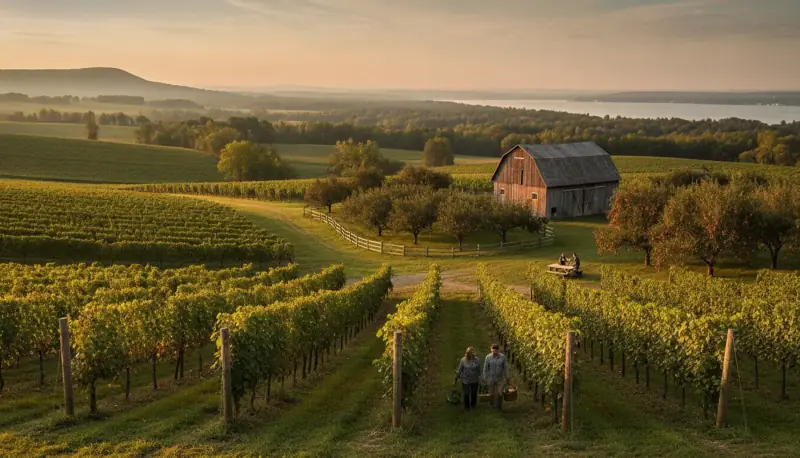
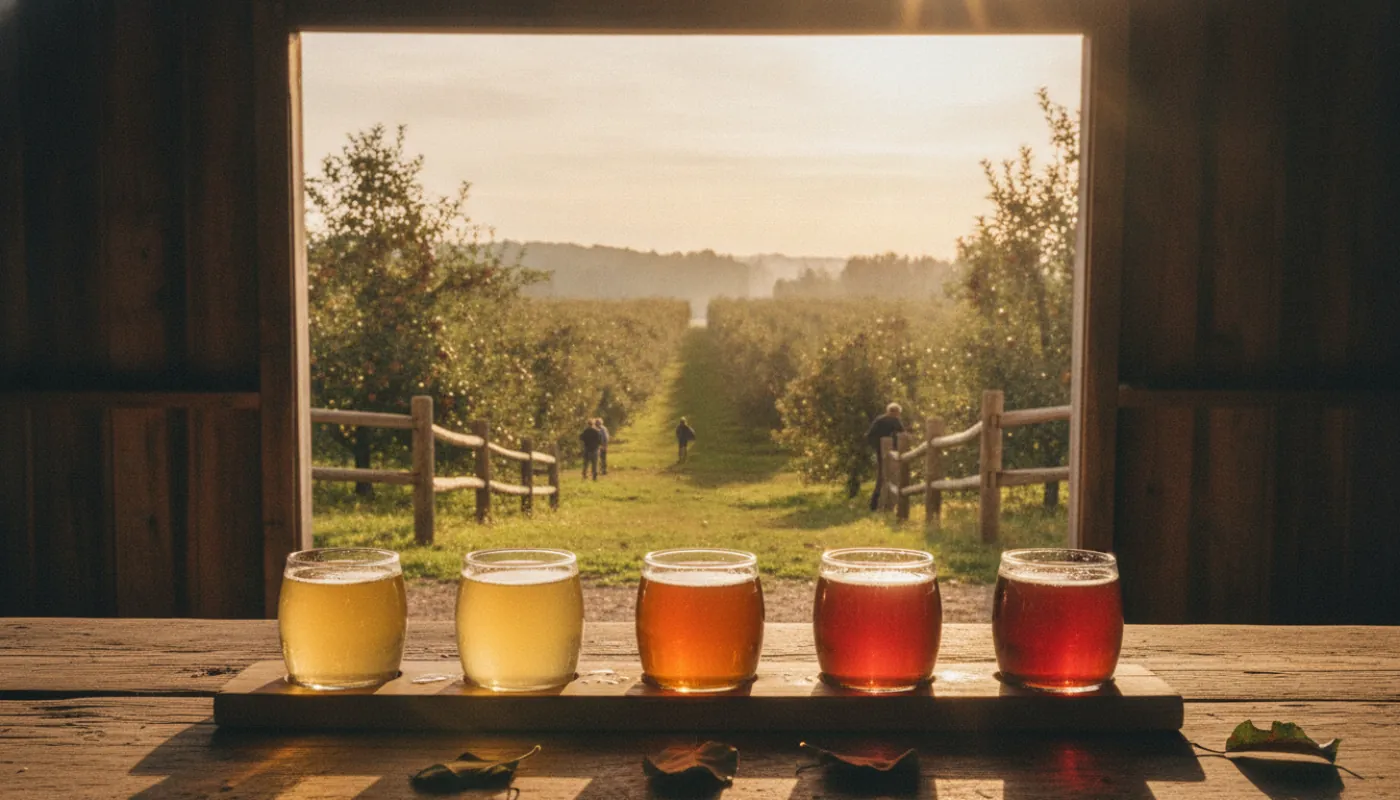
Walking into a cidery tasting room feels familiar if you've been to wineries or breweries, but with its own rhythm. Many cideries are smaller operations than breweries, and tasting rooms are often built into or adjacent to a barn, farmhouse, or processing facility. The atmosphere tends to be less polished than a winery and less industrial than a brewery: you might taste on a wooden bar in what was recently a hay storage area, and that's authenticity, not a shortcoming.
Tastings typically follow a flight model: you'll get three to five small pours, ordered from dry to sweet so drier ciders don't get overwhelmed by residual sugar on your palate. A good cidery guide will explain what's in each glass: the apple varieties, the fermentation method, the age, any blend components. Listen for terms like "wild ferment" (unpredictable, complex), "hopped" (ciders that incorporate hops for bitterness, blurring the line into beer), "wood-aged" (deeper, often funkier), and "single varietal" (made from one apple type, showcasing terroir). Ask about what's seasonal; many cideries release limited batches in summer or fall that won't be available year-round. If you taste something you don't like, say so, cidery staff are used to educating people who are new to the category, and they'll know which ciders best suit your palate. Most farms sell bottles to take home, and many offer online orders if you find something you want to revisit.
Finding and Visiting Farm Cideries
Cideries cluster in regions with established apple-growing traditions: New England (especially Vermont and Massachusetts), parts of the Mid-Atlantic, the Pacific Northwest (Oregon and Washington in particular), and scattered throughout the upper Midwest. If you're planning agritourism, search "cidery near me" paired with your region, or look for farm cideries listed in regional directories, many are now prominent enough to show up in general tourism databases. Some operate seasonally, especially in colder climates, so check hours before you drive. A few important notes: many cideries are small operations with limited hours, no food service, and sometimes no parking beyond a dirt field. Some require reservations for tastings. Bring a designated driver: cider usually ranges from 5 to 8 percent alcohol, lower than wine on average, but easy to underestimate because it tastes like juice.
Many cideries pair well with other agritourism activities. If you're visiting an orchard for u-pick apples, ask whether there's a cidery on-site or nearby, some farms operate both. If you're touring a larger farm or vineyard, cideries often coexist on the same property, offering tasting room diversification for visitors. Some cideries have expanded into food service (charcuterie, cheese, food trucks during tasting hours) to create a more complete experience, which is worth asking about when you visit.
Building Your Own Cider Vocabulary
After a few tastings, you'll start noticing patterns. Dry ciders often have a mineral or funky character that cider people call "funk", not a bad thing, but a result of wild fermentation or extended aging. You might taste notes of stone fruit, honey, grass, leather, or even sulfur (which, like in wine, indicates the cider is complex and will improve over time). Off-dry to semi-sweet ciders often emphasize fruit aromatics: apple blossom, stone fruit, sometimes floral notes. Hopped ciders taste cidery with beer's bitterness edge. Wood-aged ciders pick up vanilla, oak, or subtle vanillin notes from the barrel. Perry tastes different from cider: drier, more floral, harder to find.
Don't overthink it. Cider appreciation doesn't require a certification. The best cider is the one you want to finish, whether that's a dry, challenging single-varietal or a sweet seasonal blend. Revisit cideries across seasons if you can, the same farm's spring tasting will be different from their fall offering, because the cider inventory changes as new vintages come online and older stock sells. This seasonal rhythm is part of what makes farm cideries distinct from industrial beverage production, and it's worth leaning into if you're a serious taster.