Farms & Vineyards · California
Farms & Vineyards in California
Visit 32 farms across California. Maps, hours, contact info, photos, and verified operator profiles, all in one place.
Coastline, Sierras, deserts, and redwoods. Every outdoor environment in one state.
About California
Best time to go
When to visit California farms
Year-round. Conditions vary dramatically by region.
- June–August: berries, lavender, and long farm-stand days
- September–October: crush season in wine country and the apple harvest
- California’s mild winters keep farm stays and citrus going year-round
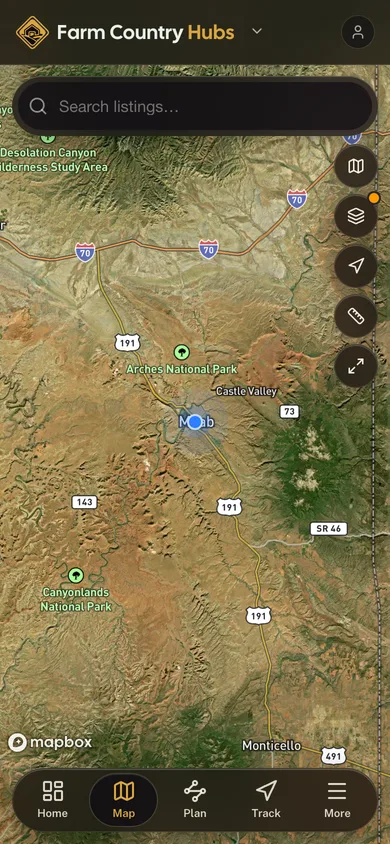
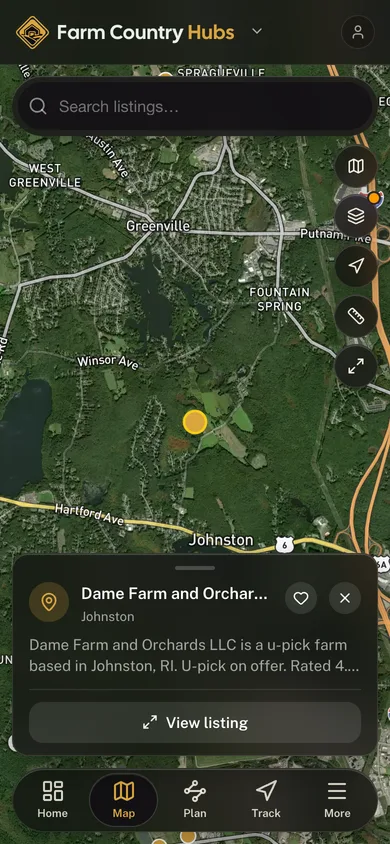
32 on the map
Tap a pin to open its profile.
Quick facts
- Farms listed
- 32
- Best season
- Year-round
All listings
32 farms
across California
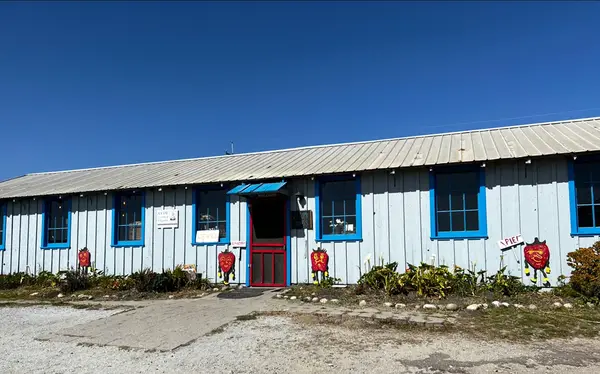
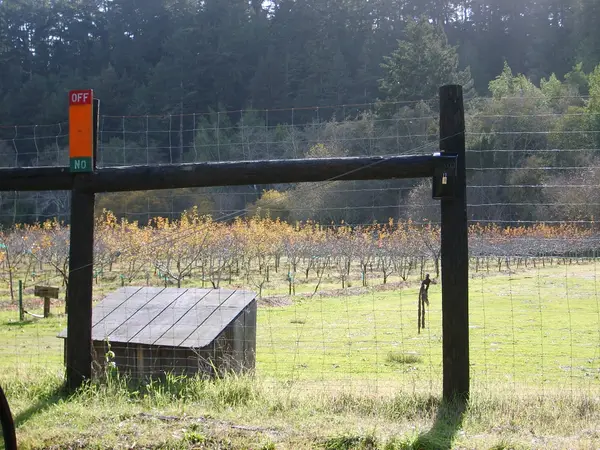
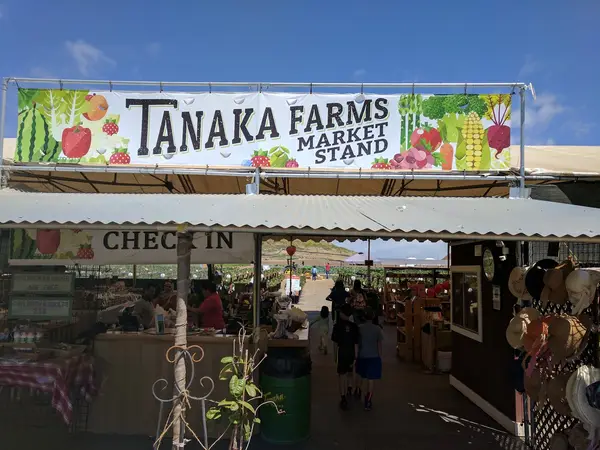
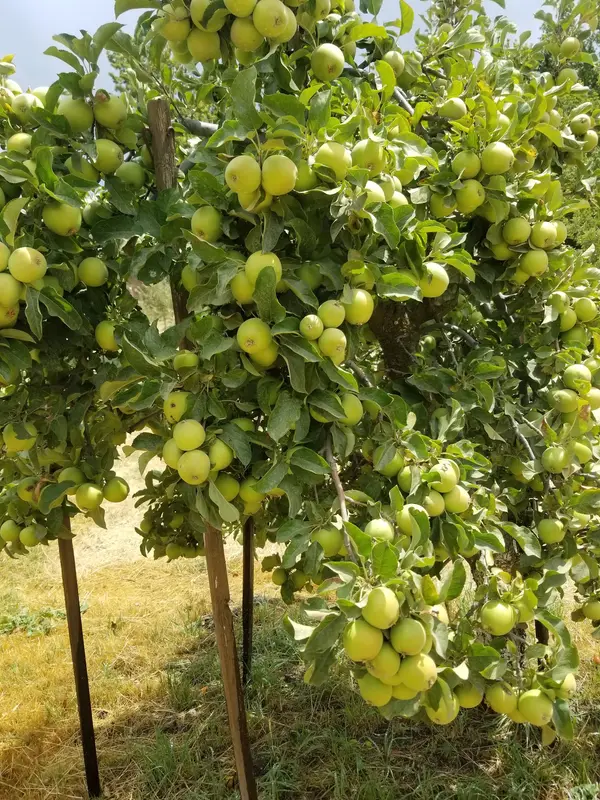
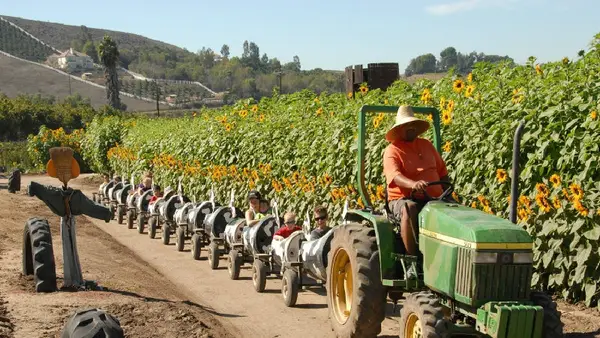
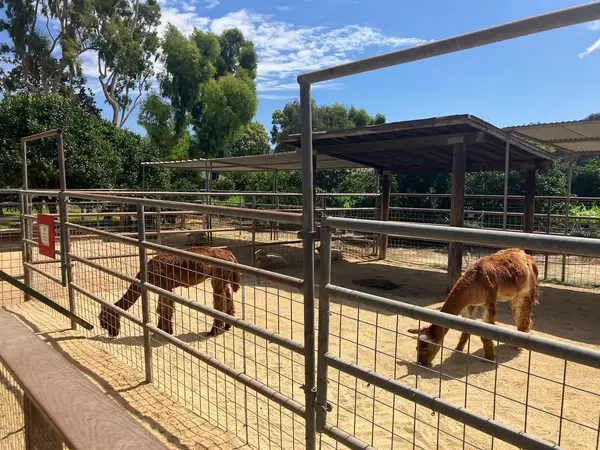
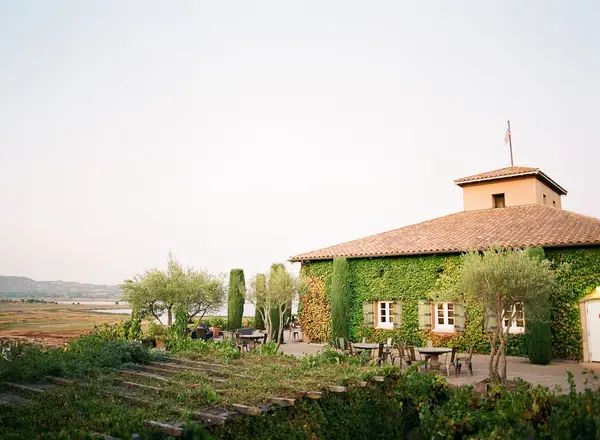
Plan your trip
Plan your trip to California
Agritourism Immunity Law
California does not have a dedicated agritourism liability immunity statute; a proposed California Agritourism Liability Act (AB 2635) died in committee in 2024. Farm operators rely on the state's general recreational-use landowner immunity (Civil Code § 846) and on assumption-of-risk and premises-liability principles. Visitors should be aware that participation in farm activities carries inherent risks.
On-Farm Food Sales and Cottage Food Operations
Many California farms offer direct sales of produce, eggs, and processed foods. The state's Cottage Food Operations law allows certain non-potentially hazardous foods to be prepared and sold from home kitchens or farms. Verify with the farm what products are available for direct purchase.
Winery and Brewery Tasting Room Regulations
On-farm wineries and breweries operate under California Alcoholic Beverage Control (ABC) licenses. Visitors must be 21 years or older to consume or purchase alcohol and may be required to show valid identification. Tasting room hours and reservation policies vary by establishment.
Pick-Your-Own and Corn Maze Safety
When engaging in U-pick or corn maze activities, wear appropriate footwear for uneven terrain, bring water, and follow all farm instructions. Children should be supervised closely. Be mindful of farm equipment, animals, and natural elements like stinging insects or sun exposure.
Farm Wedding and Event Venue Zoning
Zoning regulations significantly impact what services a farm can offer as a wedding or event venue. Availability, capacity, noise restrictions, and permitted event types are often dictated by local county ordinances. It is advisable to confirm specific venue capabilities directly with the farm.
Confirm current requirements with the state agency before your trip. Rules and fees change every season.
Age Verification for Alcohol Service
Visitors must present valid identification proving they are 21 years or older to consume or purchase alcoholic beverages at farm wineries or breweries. This is a strict requirement enforced by California's Alcoholic Beverage Control (ABC) regulations.
Respect for Private Property and Farm Rules
Visitors are required to adhere to all posted rules and instructions from farm operators, as agritourism sites are private working farms. Unauthorized entry into restricted areas or deviation from designated visitor paths is prohibited to ensure safety and farm operations continue unimpeded.
Food Safety Practices for Self-Harvest
When participating in U-pick activities, visitors are expected to follow basic food safety guidelines. This includes washing hands before and after picking, using provided containers, and washing all produce thoroughly before consumption to minimize potential health risks.
- 01
Identify Your Interests
Decide what kind of trip this is: U-pick, wine tasting, a farm stay, or a wedding venue search. California has all of it in quantity, so a clear goal keeps the options manageable.
- 02
Choose a Region and Season
Match region to activity and season to crop: fall for grape harvest, summer for berries, winter for citrus in the south. The state is big enough that this choice shapes everything downstream.
- 03
Research Specific Farms and Venues
Use online directories and farm websites to shortlist farms, vineyards, or venues that fit, noting their offerings, hours, and booking requirements before you commit to a route.
- 04
Check Operating Hours and Make Reservations
Confirm seasonal hours, especially for U-pick fields and tasting rooms, they change with the crop. Farm stays and wedding venues need advance reservations, and popular tasting rooms increasingly do too.
- 05
Prepare for Your Visit
Closed-toe shoes, sun protection, and water cover most farm conditions. Be ready to follow each farm's rules, and bring your own picking containers unless the farm says they're provided.
01Are pets allowed on agritourism farms in California?
02What should I wear for a U-pick visit or farm tour?
03Are farm stays suitable for families with children?
04How do I find farm wedding venues in California?
05Can I buy farm products directly from California farms?
06What is the best time of year to visit California for agritourism?
Free tools
Your free outdoor toolkit

Everything Map
Listings, trails, spots, clubs and public land on a single full-screen map. Switch layers on and off, then tap any point for the details.
Open Everything MapRoute Planner
Drop stops on a map and watch distance and drive time add up. Export a GPX or share the link.
Open Route PlannerFarm Groups
Browse local clubs with meeting info and how to join, or start your own for free.
Open Farm GroupsPhoto ID
Point your camera at whatever you found and get a structured identification. No signup.
Open Photo IDGear Checklists
Printable, save-as-you-go packing lists. Tick items off and pull them up on your phone.
Open Gear ChecklistsMaintenance Schedules
Pick your machine and get its full service schedule. Add your hours to turn intervals into dates.
Open Maintenance Schedules