Skip to content
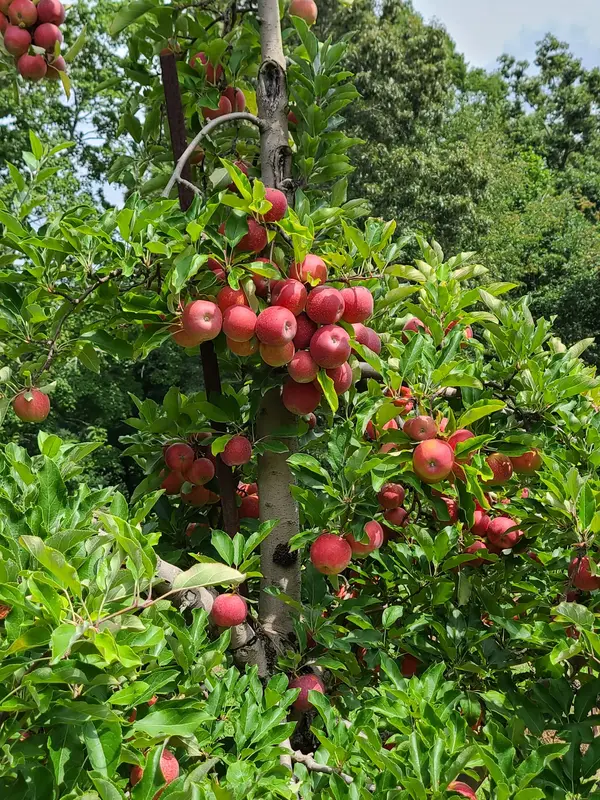
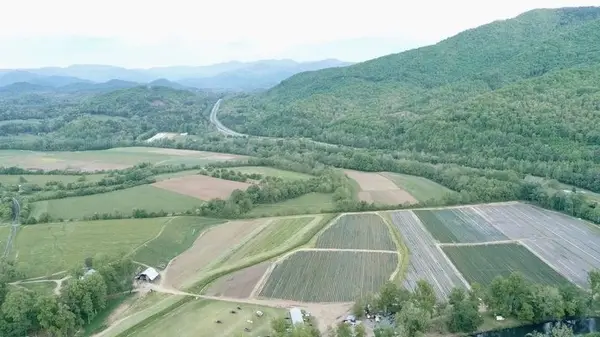
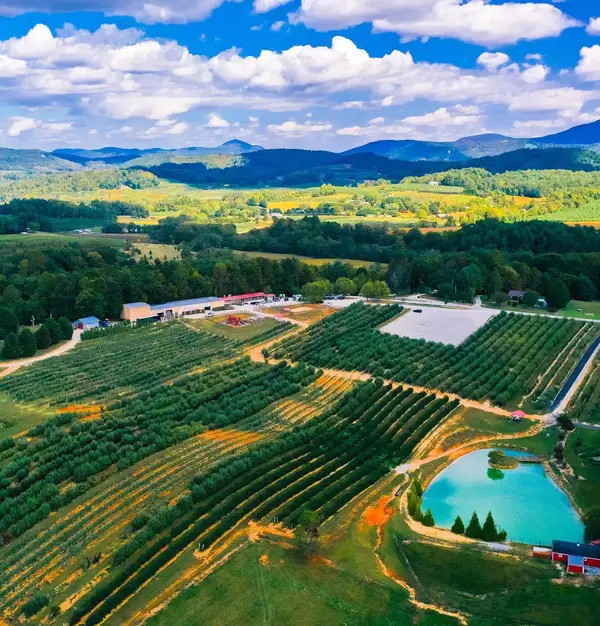
North Carolina farm country. Backdrop for the Farm Country Hubs North Carolina directory

Farms & Vineyards · North Carolina

Farms & Vineyards in North Carolina

Visit 23 farms across North Carolina. Maps, hours, contact info, photos, and verified operator profiles, all in one place.

Outer Banks, the Smokies, and the longest segment of the Blue Ridge.

Updated

Highest rated

Farms & Vineyards in North Carolina by Google rating

Ranked by Google rating, then by number of reviews, across all 23 farms listed in North Carolina.

FarmCityTypeRating
McLawland Farms LLC, Charlotte, NCCharlotteU-Pick5.0190 Google reviews
Avery Family Farm, Durham, NCDurhamAgritourism5.0160 Google reviews
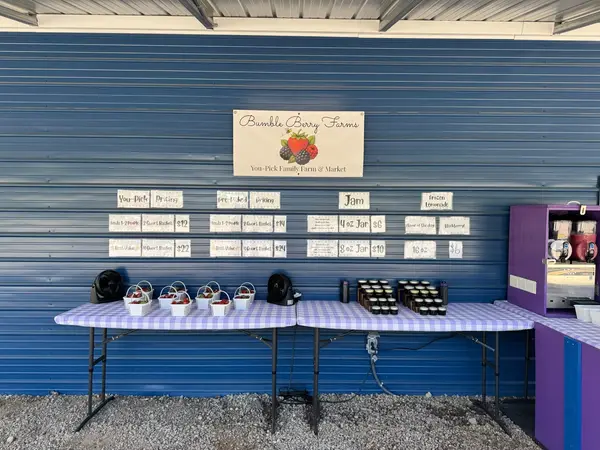
Bumble Berry Farms, Catawba, NCCatawbaU-Pick5.084 Google reviews
Paradise Family Farm, Boomer, NCBoomerAgritourism5.041 Google reviews
Little Family Farm & Apiary, Denver, NCDenverAgritourism5.010 Google reviews
Agape Farm of Watha LLC, Watha, NCWathaAgritourism4.985 Google reviews
Darnell Farms, Bryson City, NCBryson CityAgritourism4.82,296 Google reviews
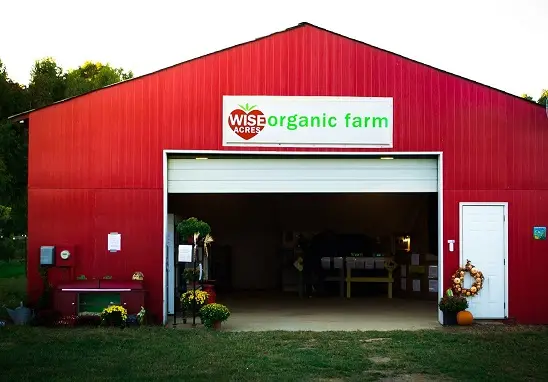
Wise Acres Organic Farm, Indian Trail, NCIndian TrailU-Pick4.8451 Google reviews

All listings

23 farms in North Carolina

All states

Get listed free

Run a farm in North Carolina? Add it to Farm Country Hubs. Free, no commission.

Add your listing

On the map

Farms in North Carolina

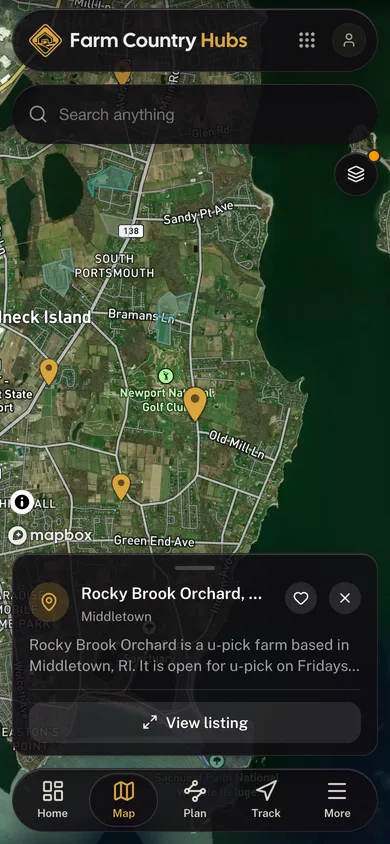
Everything we have mapped in North Carolina, on one map. Tap anything for its details.

Loads the full map of North Carolina. We leave it off by default so the page opens fast on mobile data.

About North Carolina

North Carolina runs from the Coastal Plain up through the Piedmont to the Blue Ridge, and the farms change with the elevation. Berry fields near Wilmington, old tobacco country in the flatlands, vineyards in the Yadkin Valley, a designated American Viticultural Area, and orchards climbing the mountain slopes west of it. Few states hand a visitor this much agricultural variety inside a single day's drive, and the farms here have gotten good at opening their gates without losing what makes them working operations.

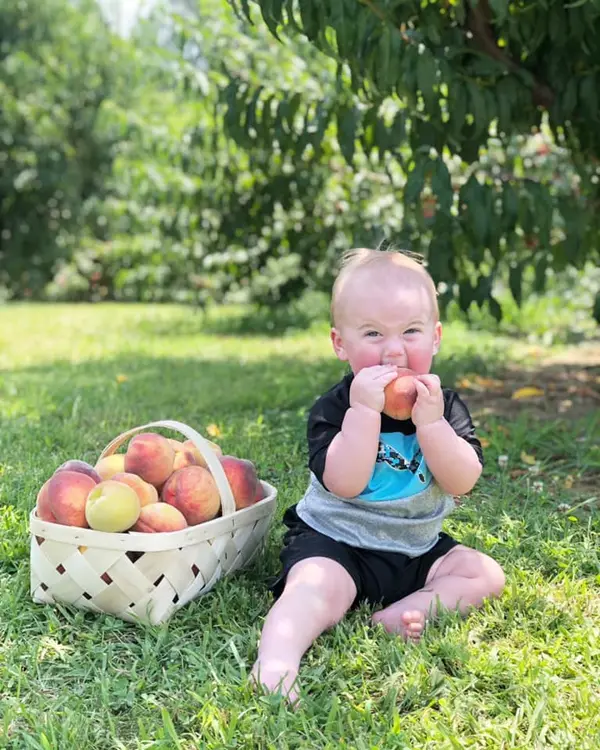
The Piedmont is where farm and city sit closest together. Around Raleigh, Durham, and Charlotte, farms run CSA pickups, U-pick peaches and seasonal vegetables, and stalls at farmers' markets that draw serious weekend crowds. Craft breweries on working farms pour beer a few hundred yards from the grain, and farm-to-table restaurants shorten the supply chain to a handshake. Many of these operations also run workshops and family events through the year, so there's usually a reason to come back.

West of the Piedmont, the Appalachians change the crop list. Apple orchards cluster around Hendersonville, and Christmas tree farms carpet the high country. The cooler air up here supports produce the lowlands can't grow, and the farm stays trade on seclusion: a cabin with a long view toward Mount Mitchell, artisan crafts in the nearest town, a slower rhythm altogether. Wedding venues on these mountain farms barely need decorating; the ridgeline does the work.

When to visit North Carolina farms

Peak Mar–May, Oct

Full season

Quick facts

Farms listed
23
Best season
April through November

Trip guide

Know before you go in North Carolina

Confirm current requirements with the agency that sets them before your trip. Rules and fees change every season.

  • Agritourism Liability Acknowledgment

    Visitors participating in agritourism activities in North Carolina are deemed to have accepted the inherent risks under the state's Agritourism Activity Liability Act (G.S. 99E-30). Farms typically post notices outlining these risks.
    NC General Assembly
  • Alcohol Purchase and Consumption Age

    The legal age for purchasing and consuming alcoholic beverages at farm wineries, breweries, or distilleries in North Carolina is 21 years old. Valid identification is required for all tastings and purchases.
    NC ABC Commission
  • Farm Stay Occupancy and Safety

    Farm stays, which offer lodging on working farms, are subject to local zoning and state lodging regulations. Visitors should confirm booking terms, safety protocols, and any specific rules with the individual farm stay operator before arrival.

01What is North Carolina's agritourism liability law?
The Agritourism Activity Liability Act (G.S. 99E-30) limits an operator's liability for injuries arising from the inherent risks of agritourism activities. Farms post warning signs to that effect, reading one means you've been put on notice that a working farm carries risks the operator doesn't insure away.
02Can I bring my dog to a farm or vineyard?
Depends entirely on the operation. Some vineyards welcome leashed dogs outdoors; farms with livestock or food-production areas usually don't allow them at all. Check with the specific farm before you leave home.
03Are reservations required for U-pick or tastings?
U-pick generally takes walk-ins, though peak weekends and big groups are worth calling ahead about. Vineyard tastings are a different story, weekends and special events often require a booking, and the good time slots go first.
04What produce is typically available for U-pick in North Carolina?
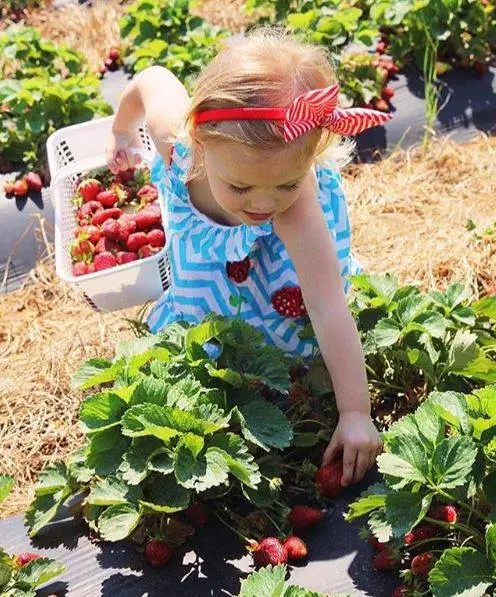
The calendar runs strawberries and blueberries in late spring and early summer, then peaches, blackberries, and vegetables through midsummer, then apples and pumpkins in fall, the apples mostly up in the mountains.
05Can I purchase food directly from farms in North Carolina?
Yes. Farms across the state sell produce, eggs, meats, and value-added goods like jams, honey, and baked items: at farm stands, farmers' markets, and through CSA programs, all under state food safety guidelines.
06What kind of farm stays are available in North Carolina?
Everything from a plain cabin on a working farm to a guesthouse with farm-to-table dinners included. The heaviest concentrations sit in the Blue Ridge Mountains and the Yadkin Valley, and most let you choose between pitching in on chores and doing nothing at all.