Farms & Vineyards · New York
Farms & Vineyards in New York
Visit 30 farms across New York. Maps, hours, contact info, photos, and verified operator profiles, all in one place.
Adirondacks, Catskills, the Finger Lakes, and the Long Island shore.
About New York
Best time to go
When to visit New York farms
May through October. Peak fall color late September to mid-October.
- September–October: apple picking, cider, corn mazes, and foliage all at once
- Late February–March: maple sugarhouses open for the boil
- June–July: strawberry then blueberry u-pick
30 on the map
Tap a pin to open its profile.
Quick facts
- Farms listed
- 30
- Best season
- May through October
All listings
30 farms
across New York

Plan your trip
Plan your trip to New York
New York Agritourism Liability Act
New York's Safety in Agricultural Tourism Act (General Obligations Law, Article 18-B, Sections 18-301 to 18-303) provides limitations on liability for agritourism operators who meet its signage and safety requirements. Visitors participating in agritourism activities are deemed to have accepted the inherent risks of such activities, including those associated with farm animals, machinery, and uneven terrain. Farms are typically required to post warning signs.
On-Farm Food Sales and Cottage Food Rules
Farms in New York can sell certain foods directly to consumers on-site. The state's Department of Agriculture and Markets regulates these sales, including specific rules for 'cottage food operations' which allow for the sale of non-potentially hazardous foods made in home kitchens. Visitors should inquire about food preparation and licensing if they have concerns.
Winery, Brewery, and Distillery Licensing
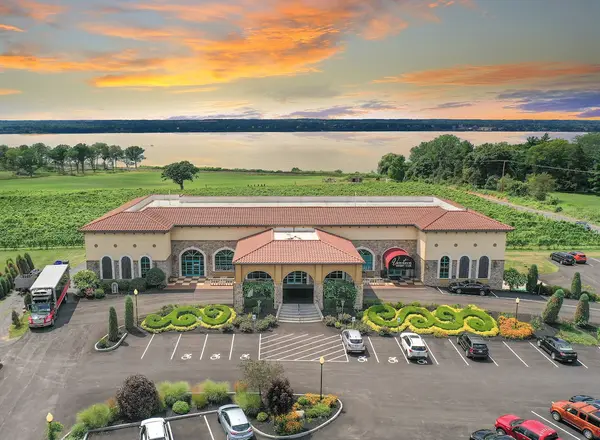
New York boasts robust Farm Winery, Farm Brewery, and Farm Distillery licenses, encouraging agricultural producers to process and sell their products on-site. These licenses permit on-farm tasting rooms and retail sales, often requiring that a significant portion of ingredients be sourced from New York farms. This regulatory framework supports the direct-to-consumer experience at many agritourism destinations.
Pick-Your-Own and Corn Maze Safety
Visitors engaging in U-pick activities or corn mazes should adhere to all posted safety guidelines and farm staff instructions. This includes wearing appropriate footwear, staying within designated areas, and supervising children closely. Farms often outline specific rules to ensure visitor safety and preserve the agricultural environment.
Farm Wedding and Event Venue Zoning
The ability of a farm to host weddings and other large events is often subject to local municipal zoning ordinances and permits, which can vary significantly by town or county. These regulations address issues such as noise, traffic, parking, and building codes. Prospective visitors planning to book a farm venue for an event should confirm that the farm is properly permitted for commercial events.
Confirm current requirements with the state agency before your trip. Rules and fees change every season.
Age for Alcohol Consumption
Visitors must be 21 years of age or older to legally purchase or consume alcoholic beverages at New York farm wineries, breweries, distilleries, or cideries. Valid government-issued identification is required for age verification.
Agritourism Activity Risk Acknowledgment
By participating in agritourism activities, visitors implicitly acknowledge and accept the inherent risks associated with farm environments, as outlined by New York's Safety in Agricultural Tourism Act. Farms are typically required to post warning signs to inform visitors of these risks.
Compliance with Farm-Specific Rules
Visitors must comply with all posted rules and instructions provided by the farm operator. These rules are put in place for safety, property preservation, and agricultural biosecurity. Failure to adhere to these rules may result in removal from the property.
- 01
Identify Your Interests
U-pick, wine tasting, a farm stay, a barn wedding, New York offers all of it, spread across a big state. Deciding what you're after narrows the map considerably.
- 02
Research Regions and Farms
Match the region to the interest: the Finger Lakes for wine, the Hudson Valley for orchards and cider, and so on. Directories like Farm Country Hubs carry listings, contact details, and visitor reviews to work from.
- 03
Check Seasonal Availability and Operating Hours
Farm calendars move with the weather and the harvest, not your itinerary. Confirm what's actually on during your dates, verify hours, and book ahead where tastings, stays, or events require it.
- 04
Plan Your Itinerary and Transportation
Rural roads connect most of these farms, so map the route and count on driving. Book lodging early for fall harvest weekends, the whole Northeast has the same idea.
- 05
Prepare for Your Visit
Closed-toe shoes, layers for the weather, cash for the smaller stands, sunscreen and water for the fields. Respect posted rules and private property, you're a guest on a working operation.
01Are pets allowed at New York agritourism sites?
02What should I wear for a farm visit or U-pick experience?
03Do I need reservations for vineyard tastings or farm events?
04Are food options available at most agritourism locations?
05What is the best time of year to visit New York for agritourism?
06Are New York farms generally accessible for visitors with mobility challenges?
Free tools
Your free outdoor toolkit

Everything Map
Listings, trails, spots, clubs and public land on a single full-screen map. Switch layers on and off, then tap any point for the details.
Open Everything MapRoute Planner
Drop stops on a map and watch distance and drive time add up. Export a GPX or share the link.
Open Route PlannerFarm Groups
Browse local clubs with meeting info and how to join, or start your own for free.
Open Farm GroupsPhoto ID
Point your camera at whatever you found and get a structured identification. No signup.
Open Photo IDGear Checklists
Printable, save-as-you-go packing lists. Tick items off and pull them up on your phone.
Open Gear ChecklistsMaintenance Schedules
Pick your machine and get its full service schedule. Add your hours to turn intervals into dates.
Open Maintenance Schedules
Keep exploring