Farms & Vineyards · New Hampshire
Farms & Vineyards in New Hampshire
Visit 20 farms across New Hampshire. Maps, hours, contact info, photos, and verified operator profiles, all in one place.
White Mountains, lakes region, and 18 miles of Atlantic coastline.
Updated
Highest rated
Farms & Vineyards in New Hampshire by Google rating
Ranked by Google rating, then by number of reviews, across the 19 of 20 farms in New Hampshire with 10 or more Google reviews.
| Farm | City | Type | Rating |
|---|---|---|---|
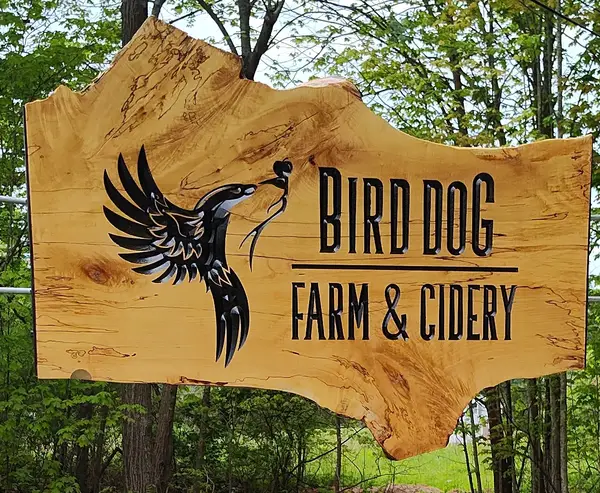
| Bird Dog Farm & Cidery, Greenland, NH | Greenland | Vineyard, UPick | 5.036 Google reviews |
| Grant Family Farms, LLC, Weare, NH | Weare | Agritourism | 5.016 Google reviews |
| Forsyth Family Farm, Gilford, NH | Gilford | Agritourism | 5.010 Google reviews |
| Butternut Farm, Farmington, NH | Farmington | U-Pick | 4.9802 Google reviews |
| Moulton Farm, Meredith, NH | Meredith | Agritourism | 4.81,212 Google reviews |
| Vernon Family Farm, Newfields, NH | Newfields | Agritourism | 4.8335 Google reviews |
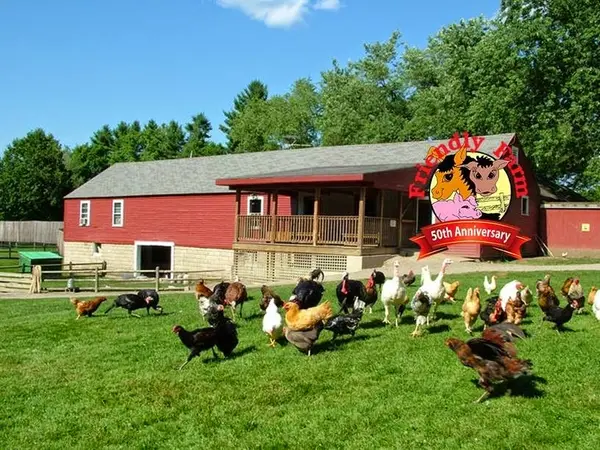
| The Friendly Farm, Dublin, NH | Dublin | Agritourism | 4.8334 Google reviews |
| Hazelton Orchards, Chester, NH | Chester | U-Pick | 4.863 Google reviews |
All listings
20 farms in New Hampshire
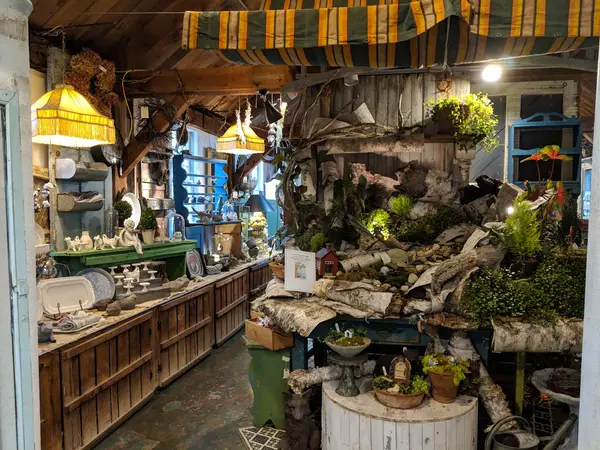
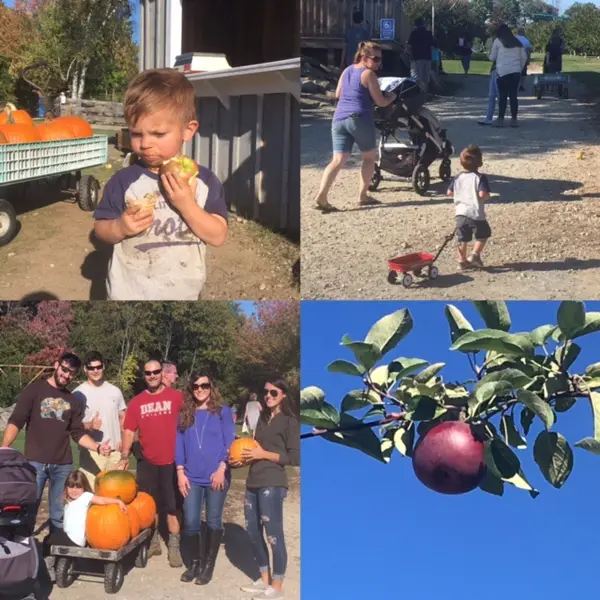
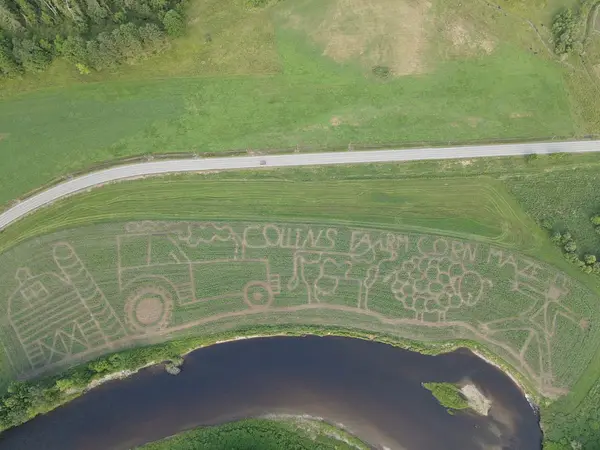
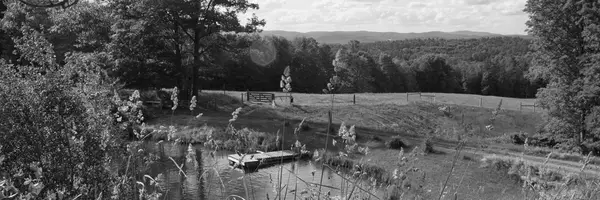
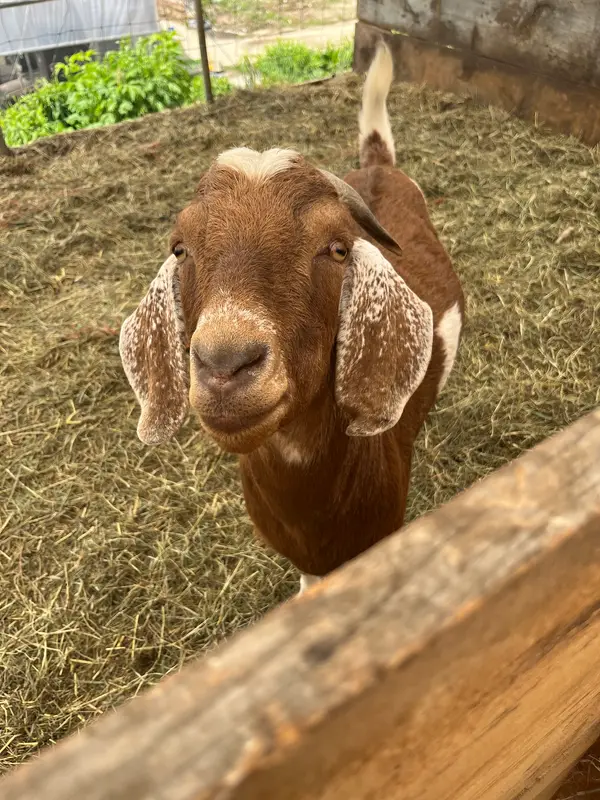
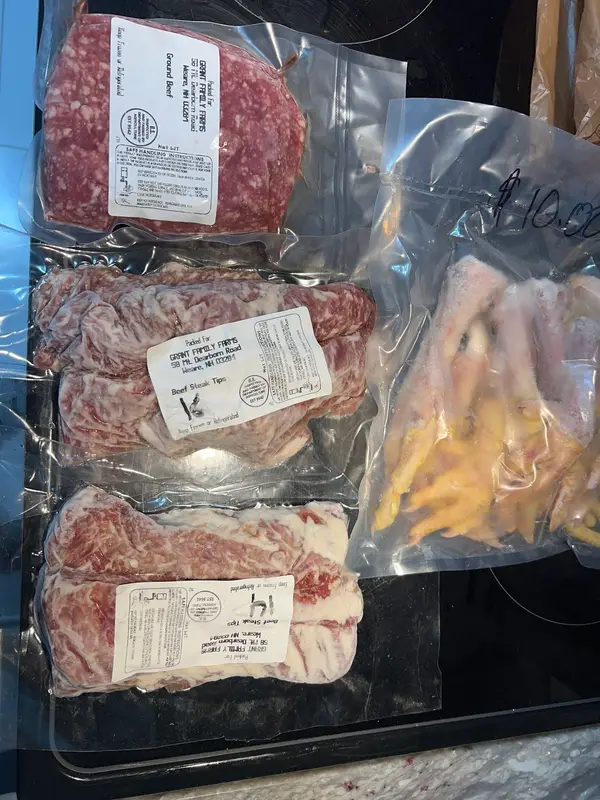
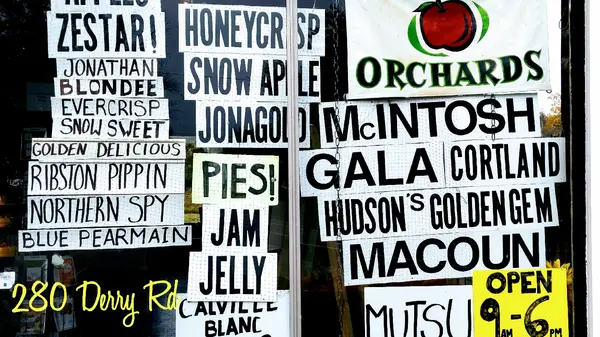
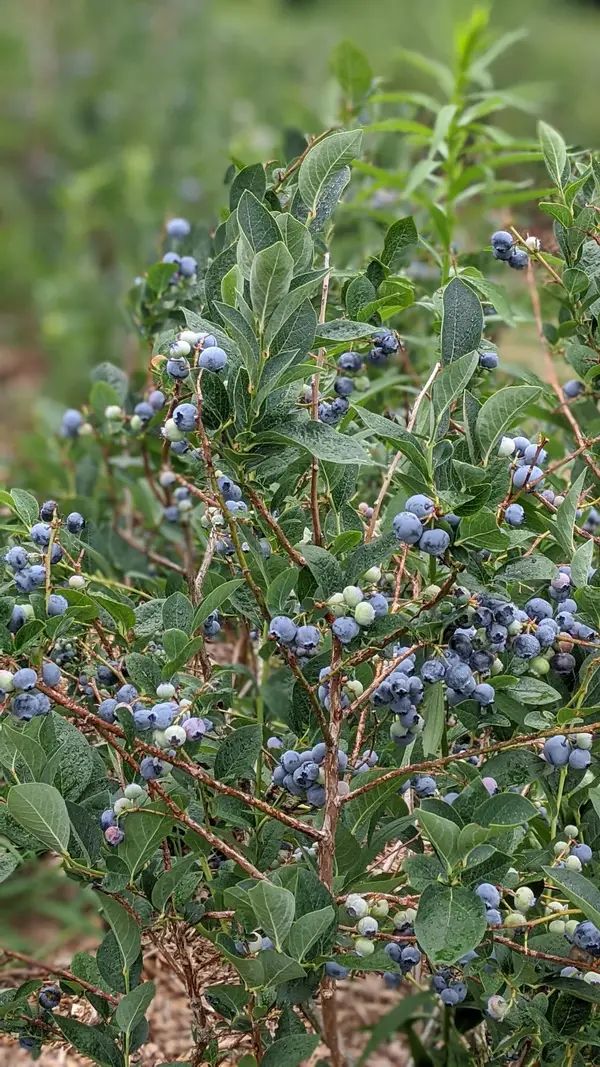
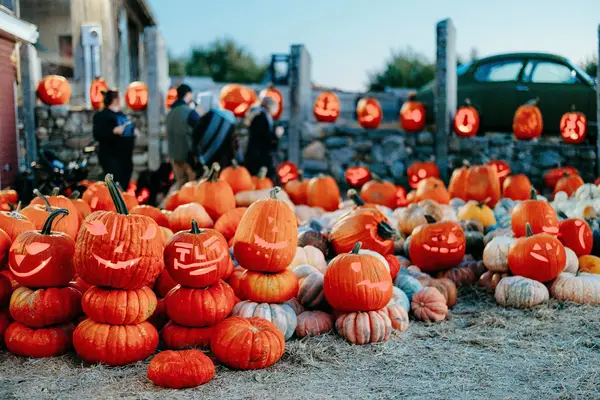
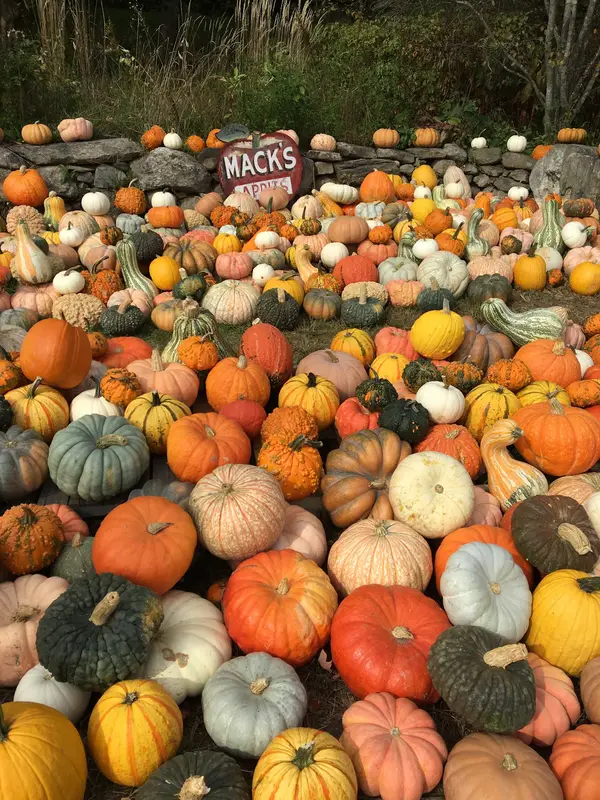
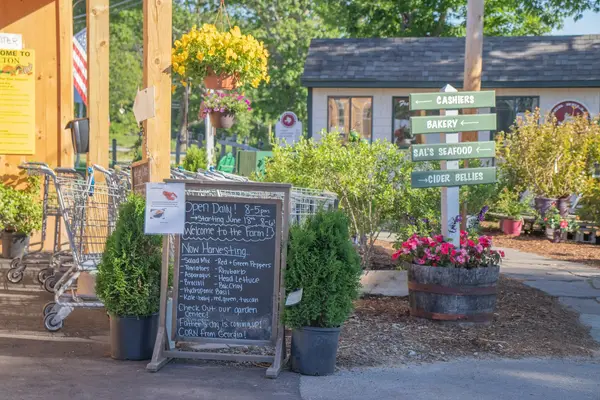
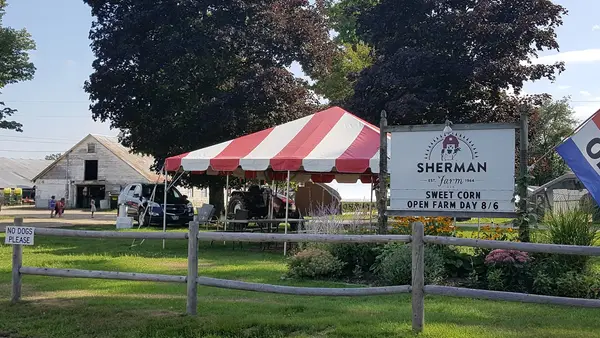
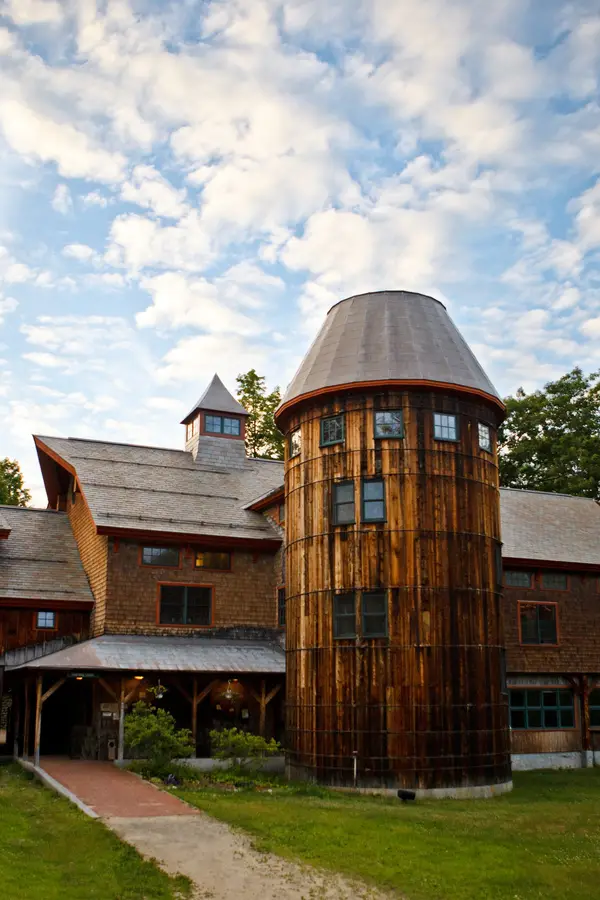
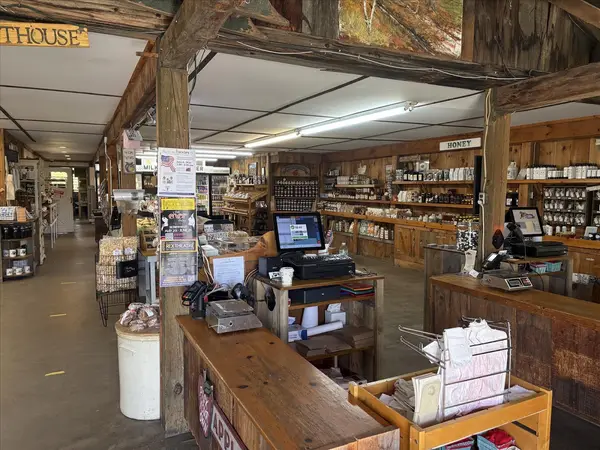
On the map
Farms in New Hampshire
Everything we have mapped in New Hampshire, on one map. Tap anything for its details.
Loads the full map of New Hampshire. We leave it off by default so the page opens fast on mobile data.
About New Hampshire
When to visit New Hampshire farms
Peak Sep–Oct
Quick facts
- Farms listed
- 20
- Best season
- May through October
Trip guide
Know before you go in New Hampshire
Confirm current requirements with the agency that sets them before your trip. Rules and fees change every season.
Agritourism Activity Risk Acknowledgment
Visitors engaging in agritourism activities in New Hampshire are statutorily deemed to have accepted the inherent risks associated with such activities, pursuant to RSA 508:14. While not a permit, understanding this law is crucial for visitors regarding liability and safety expectations on working farms.
NH General Court, RSA 508:14Age Verification for Alcohol Sales and Consumption
Individuals must be 21 years of age or older to purchase or consume alcoholic beverages at New Hampshire's farm breweries, wineries, and distilleries. Valid government-issued identification is required for age verification at all tasting rooms and sales points.
Compliance with Posted Safety Rules
Visitors are required to adhere to all posted safety rules, warnings, and instructions provided by agritourism operators. These guidelines are in place to ensure the safety of guests, staff, and farm animals, and to prevent damage to farm property and crops.
01Are New Hampshire farms open year-round for agritourism?
02Can I bring my dog to a New Hampshire farm?
03Do I need reservations for U-pick or farm visits?
04What should I wear for a farm visit in New Hampshire?
05Are there accessible farms in New Hampshire for visitors with disabilities?
06Are New Hampshire farm products organic?
Free tools
Your free outdoor toolkit


Keep exploring