Farms & Vineyards · Maryland
Farms & Vineyards in Maryland
Visit 19 farms across Maryland. Maps, hours, contact info, photos, and verified operator profiles, all in one place.
Chesapeake Bay, Appalachian Plateau, and the Atlantic at Assateague.
About Maryland
Best time to go
When to visit Maryland farms
April through November.
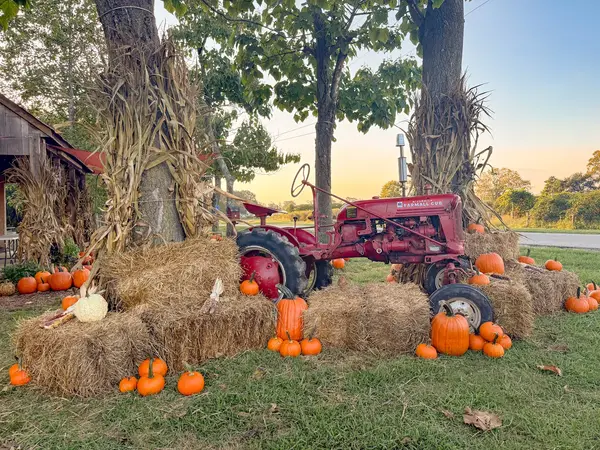
- September–October: apple picking, cider, corn mazes, and foliage all at once
- Late February–March: maple sugarhouses open for the boil
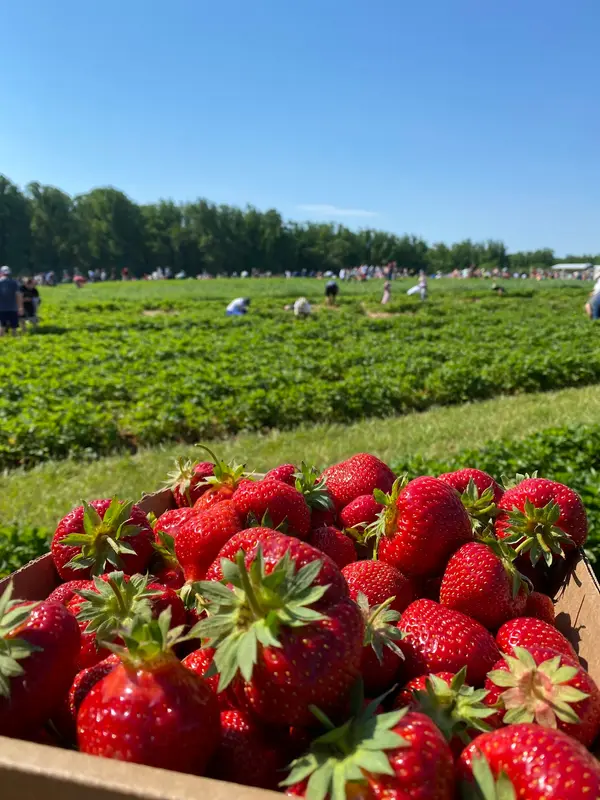
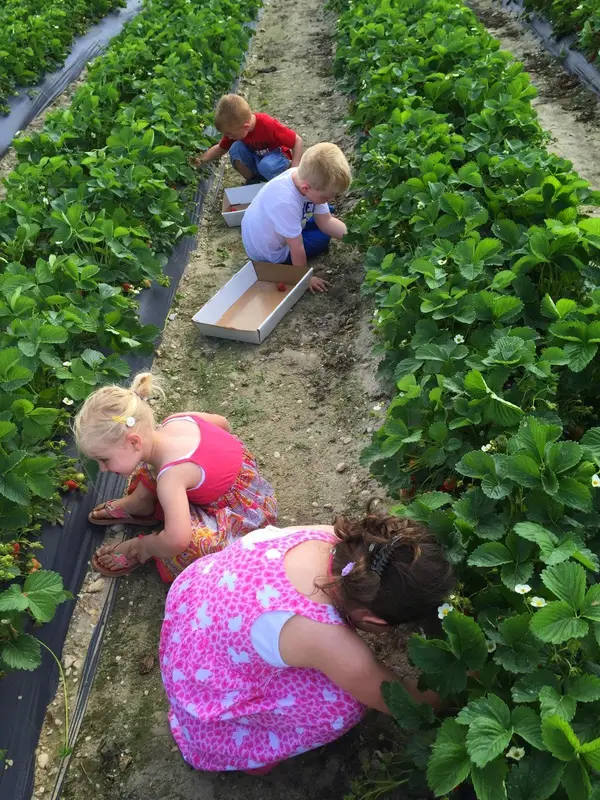
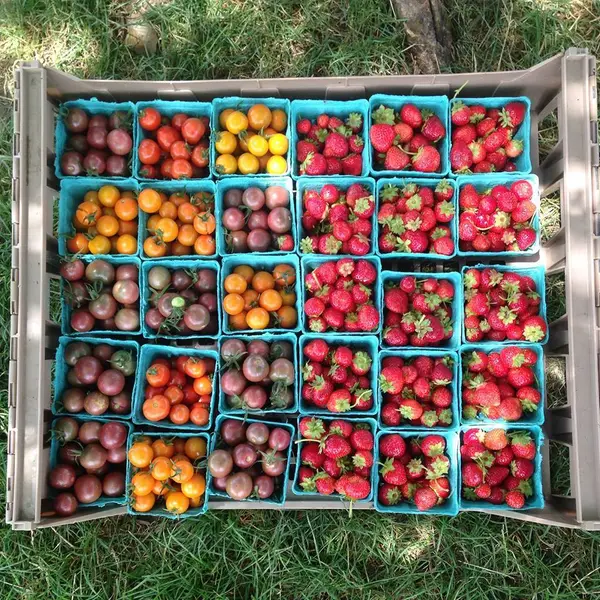
- June–July: strawberry then blueberry u-pick
19 on the map
Tap a pin to open its profile.
Quick facts
- Farms listed
- 19
- Best season
- April through November
All listings
19 farms
across Maryland
Plan your trip
Plan your trip to Maryland
Maryland Agritourism Liability Law
Maryland has not enacted a dedicated agritourism liability statute, so visitors participate under general premises-liability law rather than a blanket statutory immunity for inherent risks. Visitors assume the risk of injury or damage when participating in agritourism activities, so it is important to be aware of farm safety guidelines and posted warnings.
Cottage Food and On-Farm Sales
Many Maryland farms are permitted to sell certain low-risk foods directly to consumers under the state's cottage food laws. This allows for the sale of items like baked goods, jams, jellies, and honey without requiring a full commercial kitchen license. Always verify product origin and safety with the farm operator.
Winery and Brewery Licensing
On-farm wineries and breweries in Maryland operate under specific state and local alcohol beverage licenses. These licenses dictate their ability to offer tastings, sell products for on-site consumption, and sell products for off-site consumption. Most tasting rooms are open to the public during designated hours, but it's advisable to check ahead for specific policies or reservation requirements.
Pick-Your-Own and Corn Maze Safety
When engaging in U-pick activities or navigating corn mazes, visitors should wear appropriate footwear, stay hydrated, and follow all posted farm rules. Be mindful of uneven terrain, farm equipment, and the presence of animals. For children, constant supervision is crucial to ensure a safe and enjoyable experience.
Farm Wedding and Event Zoning
The ability of a farm to host weddings or large events is often subject to local zoning ordinances and county permits. These regulations can vary significantly by county and even by specific farm location, influencing the types of facilities and services an operator can legally offer. Prospective clients should confirm a venue's compliance with local regulations.
Confirm current requirements with the state agency before your trip. Rules and fees change every season.
Age for Alcohol Consumption
In Maryland, individuals must be 21 years of age or older to purchase or consume alcoholic beverages, including at farm wineries, breweries, and distilleries. Valid photo identification is required for verification at all tasting rooms and sales points.
Understanding Agritourism Risks
Maryland has not enacted a dedicated agritourism liability statute, so there is no statutory presumption that visitors accept inherent risks; under general premises-liability law, staying alert to the inherent risks of a farm environment still matters. This includes risks related to land, equipment, animals, and weather. Awareness of these risks is a key expectation for visitors.
On-Farm Animal Interaction Guidelines
While not a formal permit for visitors, it is crucial to follow established guidelines when interacting with farm animals. This includes washing hands thoroughly after contact, avoiding bringing food or drink into animal areas, and supervising children closely to prevent the spread of zoonotic diseases. Farms often post specific rules for animal encounters.
- 01
Identify Your Interests
U-pick, wine tasting, a farm stay, or a farm event, each is a different trip. Decide which one you're planning and Maryland's list of options narrows itself.
- 02
Research Specific Farms and Regions
Use directories like Farm Country Hubs to find the farms, vineyards, and breweries that fit, and note where they sit, Maryland's farm regions are distinct enough that geography should drive the itinerary.
- 03
Check Operating Hours and Reservations
Verify current hours and U-pick availability (strictly seasonal), and ask whether tastings, tours, or farm stays require booking. Smaller operations often run limited hours or by appointment.
- 04
Understand Farm Etiquette and Safety
Read the farm's rules before you arrive. Expect outdoor conditions, uneven ground, equipment, and animals. Dress for it and keep children close.
- 05
Plan Your Route and Accommodations
Map the itinerary with honest travel times between stops. For overnight trips, look at farm stays or nearby lodging that fits the rest of the plan.
01What is the best time of year to visit Maryland for U-pick experiences?
02Are pets allowed at Maryland farms and vineyards?
03Can I purchase farm products directly from Maryland farms?
04What should I wear when visiting a Maryland farm?
05Are Maryland farm stays suitable for families with children?
06Do I need reservations for wine or beer tastings at farm venues?
Free tools
Your free outdoor toolkit

Everything Map
Listings, trails, spots, clubs and public land on a single full-screen map. Switch layers on and off, then tap any point for the details.
Open Everything MapRoute Planner
Drop stops on a map and watch distance and drive time add up. Export a GPX or share the link.
Open Route PlannerFarm Groups
Browse local clubs with meeting info and how to join, or start your own for free.
Open Farm GroupsPhoto ID
Point your camera at whatever you found and get a structured identification. No signup.
Open Photo IDGear Checklists
Printable, save-as-you-go packing lists. Tick items off and pull them up on your phone.
Open Gear ChecklistsMaintenance Schedules
Pick your machine and get its full service schedule. Add your hours to turn intervals into dates.
Open Maintenance Schedules

Keep exploring