Farms & Vineyards · Delaware
Farms & Vineyards in Delaware
Visit 15 farms across Delaware. Maps, hours, contact info, photos, and verified operator profiles, all in one place.
Atlantic beaches, Delaware Bay, and salt-marsh estuaries.
About Delaware
Best time to go
When to visit Delaware farms
May through October.
- September–October: apple picking, cider, corn mazes, and foliage all at once
- Late February–March: maple sugarhouses open for the boil
- June–July: strawberry then blueberry u-pick
15 on the map
Tap a pin to open its profile.
Quick facts
- Farms listed
- 15
- Best season
- May through October
All listings
15 farms
across Delaware
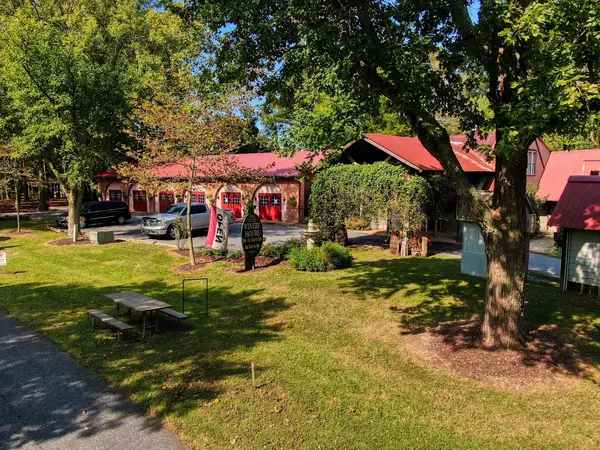
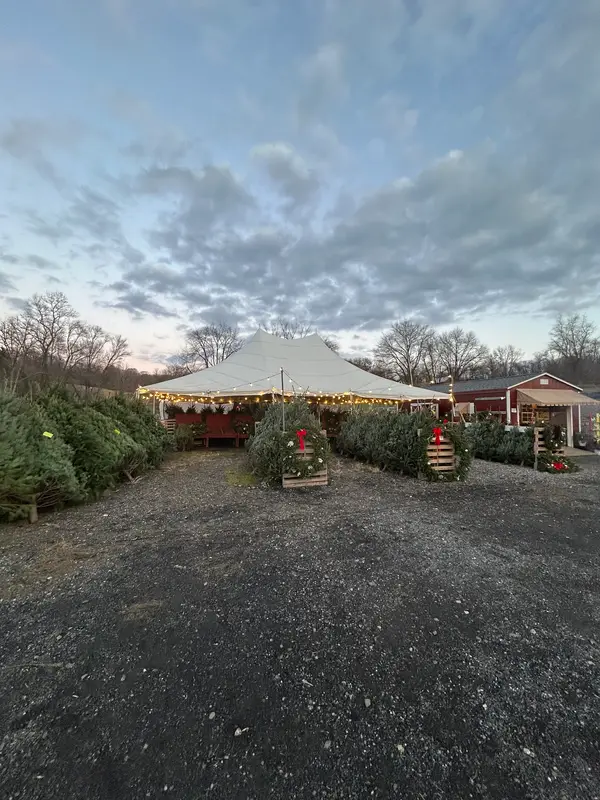
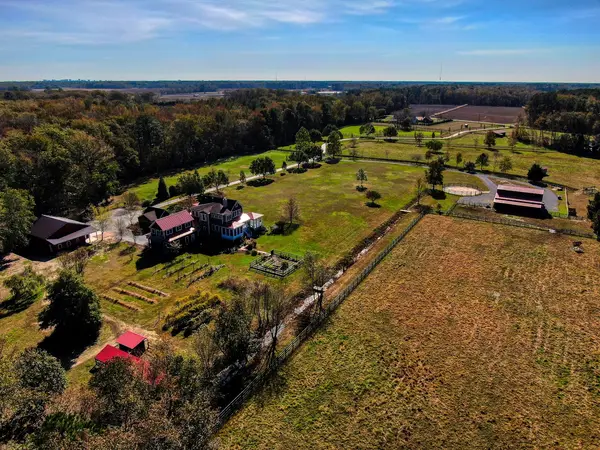
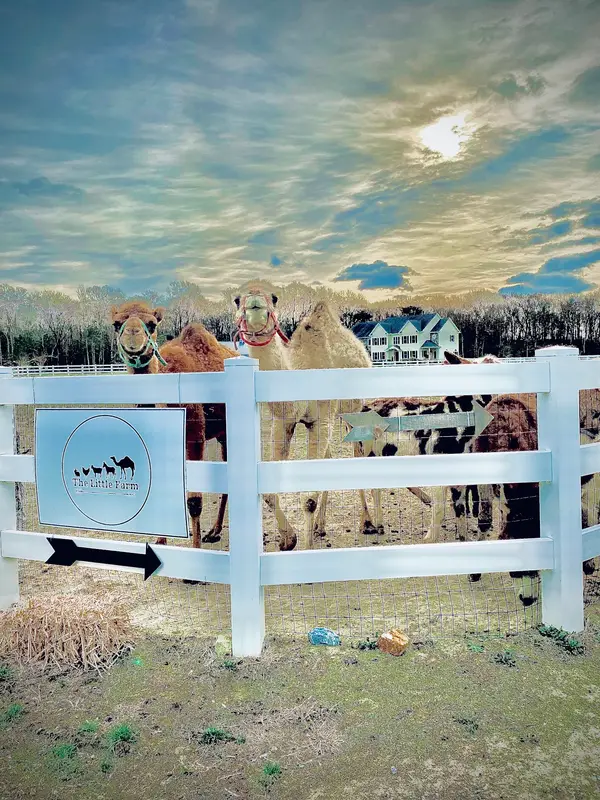

Plan your trip
Plan your trip to Delaware
Agritourism Liability Protection
Unlike many states, Delaware has not enacted a dedicated agritourism liability act; farms rely on general premises-liability principles and the state's Right to Farm protections. A working farm still carries inherent risks, so be aware of your surroundings and follow all posted rules and instructions.
On-Farm Food Sales and Cottage Food Laws
Many Delaware farms sell produce, baked goods, and other prepared foods directly to consumers. Rules for these sales, particularly for 'cottage food' items, are regulated by the Delaware Department of Health and Social Services. Visitors should verify any specific product's origin or preparation method with the farm operator if they have concerns.
Winery and Brewery On-Farm Operations
Wineries and breweries operating on farms in Delaware are licensed by the Delaware Alcoholic Beverage Control Commissioner. These licenses permit on-site tasting rooms and direct sales to visitors, often alongside other farm activities. Check individual farm-based wineries and breweries for their specific hours, tasting protocols, and event schedules.
Pick-Your-Own and Corn Maze Safety
When participating in U-pick activities or navigating corn mazes, always follow farm-specific safety guidelines. Wear appropriate footwear, stay hydrated, and supervise children closely. Be mindful of uneven terrain, farm equipment, and natural elements like insects or sun exposure. Respect farm property and only pick what you intend to purchase.
Farm Wedding and Event Venue Zoning
The ability of a farm to host weddings or other large events is often subject to local county or municipal zoning regulations. These rules can dictate capacity limits, noise ordinances, and infrastructure requirements. Visitors planning to book a farm venue for an event should confirm with the operator that all necessary permits and zoning approvals are in place.
Confirm current requirements with the state agency before your trip. Rules and fees change every season.
Delaware Agritourism Liability Act
Delaware has not enacted a dedicated agritourism liability act, so there is no statutory warning-sign regime like those in some neighboring states; operators rely on ordinary premises-liability law. Visitors still take on the inherent risks of a working farm environment, so always heed posted warnings and follow farm instructions.
Alcoholic Beverage Sales and Consumption
For visitors to farm-based wineries and breweries, the consumption and purchase of alcoholic beverages are regulated by the Delaware Alcoholic Beverage Control Commissioner. Patrons must be 21 years of age or older to consume alcohol and should be prepared to show valid identification. On-site consumption rules vary by establishment.
Food Safety for On-Farm Purchases
When purchasing food directly from Delaware farms, particularly prepared items, visitors should be aware that producers must comply with state food safety regulations. While many farms adhere to high standards, it's always prudent to inquire about preparation methods or storage guidelines for perishable items, especially if specific dietary needs are a concern.
Pet Policies on Farms
Many working farms, for reasons of animal safety, food hygiene, or insurance, have strict no-pet policies, especially in U-pick fields or areas with livestock. Always verify a farm's pet policy before bringing an animal. Service animals are typically an exception, but it is best to confirm with the specific farm prior to your visit.
- 01
Identify Your Agritourism Interest
Figure out what kind of visit you want first: U-pick fruit, a winery tour, an overnight farm stay, or a wedding venue. Delaware packs a lot of variety into a small map, and a clear goal narrows it fast.
- 02
Research Specific Farms and Venues
Use online directories like Farm Country Hubs to find farms, vineyards, or agritourism sites that fit. Pay attention to what each one actually offers, their hours, and any special events on the calendar.
- 03
Check Operating Schedules and Seasonal Availability
Farm calendars follow the crops. Verify current hours and confirm your target U-pick crop or activity will actually be running on your dates, and note that some require reservations.
- 04
Plan Your Visit Logistics
Sort out transportation to rural addresses, pack farm-appropriate shoes and clothes, and bring cash for the smaller stands that don't take cards. Confirm the pet policy before the dog gets in the car.
- 05
Contact Farms for Specific Details
For farm stays, wedding venue bookings, or questions about accessibility and accommodations, call the farm directly and well ahead. A five-minute conversation heads off most surprises.
01What types of agritourism activities are available in Delaware?
02Are reservations required for farm visits or U-pick activities?
03Can I bring my pets to Delaware farms?
04What should I wear when visiting a farm for U-pick or other activities?
05Do Delaware farms accept credit cards, or should I bring cash?
06Are Delaware's agritourism locations generally accessible?
Free tools
Your free outdoor toolkit

Everything Map
Listings, trails, spots, clubs and public land on a single full-screen map. Switch layers on and off, then tap any point for the details.
Open Everything MapRoute Planner
Drop stops on a map and watch distance and drive time add up. Export a GPX or share the link.
Open Route PlannerFarm Groups
Browse local clubs with meeting info and how to join, or start your own for free.
Open Farm GroupsPhoto ID
Point your camera at whatever you found and get a structured identification. No signup.
Open Photo IDGear Checklists
Printable, save-as-you-go packing lists. Tick items off and pull them up on your phone.
Open Gear ChecklistsMaintenance Schedules
Pick your machine and get its full service schedule. Add your hours to turn intervals into dates.
Open Maintenance Schedules

Keep exploring