Farms & Vineyards · West Virginia
Farms & Vineyards in West Virginia
Visit 17 farms across West Virginia. Maps, hours, contact info, photos, and verified operator profiles, all in one place.
Mountain State. Monongahela, the New River Gorge, and the Allegheny Plateau.
About West Virginia
Best time to go
When to visit West Virginia farms
April through November.
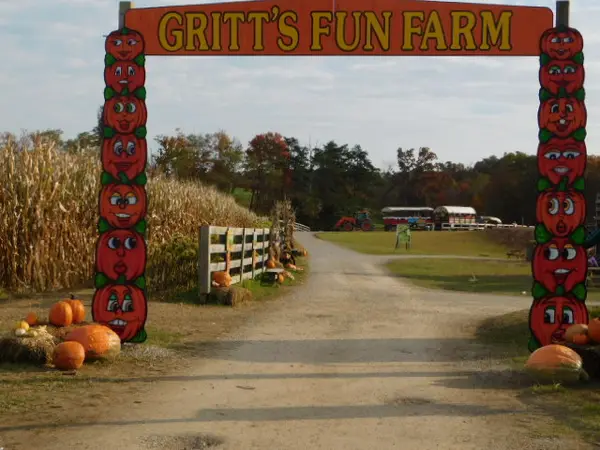
- September–October: apple picking, cider, corn mazes, and foliage all at once
- Late February–March: maple sugarhouses open for the boil
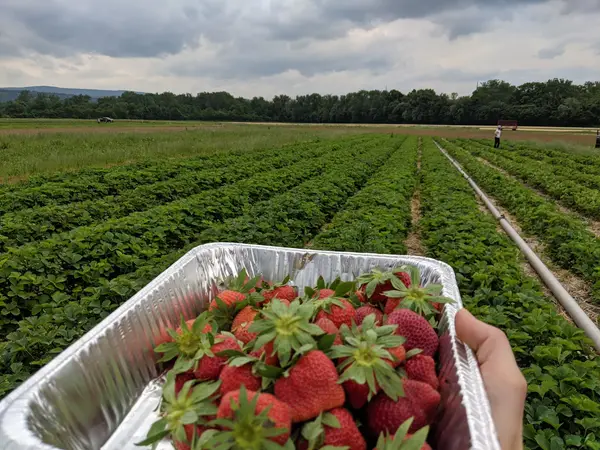
- June–July: strawberry then blueberry u-pick
17 on the map
Tap a pin to open its profile.
Quick facts
- Farms listed
- 17
- Best season
- April through November
All listings
17 farms
across West Virginia


Plan your trip
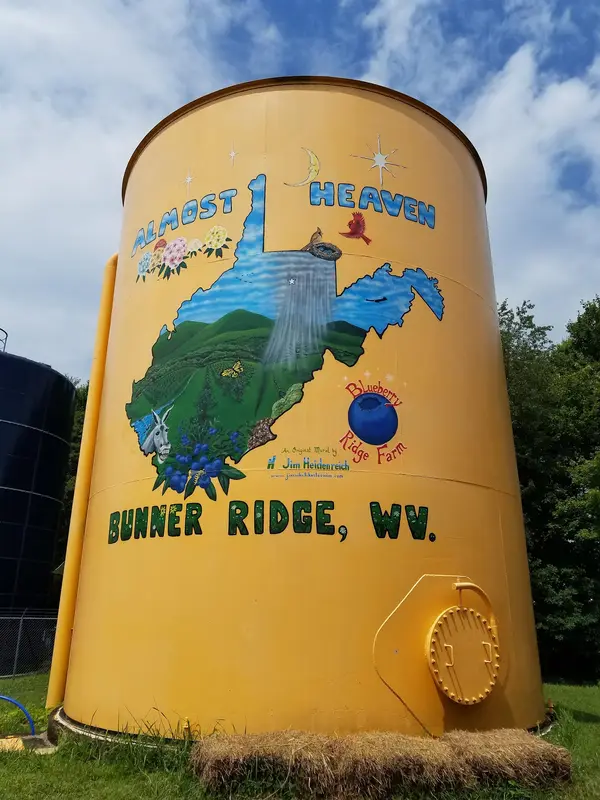
Plan your trip to West Virginia
Agritourism Liability Act
West Virginia has an Agritourism Responsibility Act (WV Code Chapter 19, Article 36) that provides limited liability protection to agritourism operators when visitors participate in agritourism activities. Visitors should be aware that inherent risks are associated with farm environments.
On-Farm Food Sales
Farms selling unprocessed agricultural products directly to consumers generally operate under specific exemptions. For processed foods, like jams or baked goods, cottage food laws may apply, regulating production and sales from a home kitchen or on-farm facility. Verify specific product eligibility with the farm.
Winery and Brewery Licensing
On-farm wineries and craft breweries in West Virginia operate under state-issued licenses that permit the production, tasting, and direct retail sale of their products on the farm premises. Visitors can typically enjoy tastings and purchase bottles or growlers directly from these licensed establishments.
Pick-Your-Own Safety
Participants in U-pick activities should follow all posted farm rules and instructions from staff. This includes wearing appropriate footwear, being mindful of uneven terrain, and supervising children closely, as farms are working environments with potential hazards.
Farm Wedding Venue Zoning
Farms planning to host weddings or other events may be subject to local zoning ordinances and county permitting requirements that govern commercial operations. These regulations can affect facility development, capacity, and operational aspects, so it's advisable to confirm venue details directly with the operator.
Confirm current requirements with the state agency before your trip. Rules and fees change every season.
Age for Alcohol Consumption
Visitors to on-farm wineries and craft breweries must be 21 years of age or older to purchase or consume alcoholic beverages. Valid identification is required for age verification at all tasting rooms and sales points.
Compliance with Farm Safety Guidelines
While visiting working farms, all guests are expected to adhere to specific safety guidelines and instructions provided by the farm operators. This includes respecting designated areas, avoiding contact with certain equipment or animals, and following all posted signage to ensure a safe experience for everyone.
Respect for Private Property
Visitors on agritourism properties must respect the private nature of the land. This includes staying within designated visitor areas, not trespassing into private residences or restricted farm zones, and refraining from littering or damaging crops and property. Violations can lead to legal consequences.
- 01
Explore Farm Country Hubs
Start with the West Virginia listings on Farm Country Hubs and filter by what you're after (U-pick, farm stays, tasting rooms, wedding venues), and by region.
- 02
Check Seasonal Availability
The crop sets the calendar. Confirm hours, U-pick harvest windows, and event schedules on the farm's site or by phone before you commit to the drive, especially for a specific fruit or festival.
- 03
Contact Operators for Bookings
Farm stays, venue tours, and many tastings book in advance. Call the farm directly to confirm availability and pricing and to lock in your reservation.
- 04
Understand Farm Etiquette
Ask about the house rules before you arrive: pets, kids, photography, what's off-limits. Working farms run on routines, and guests who know the rules fit into them easily.
- 05
Plan Your Travel and Logistics
West Virginia's rural roads wind, climb, and take longer than the map suggests. Budget real drive time between stops, check your vehicle, and pack footwear that can handle farm ground.
01What types of agritourism experiences can I find in West Virginia?
02Are West Virginia farm visits typically suitable for children?
03Can I bring my pet to a farm or vineyard in West Virginia?
04Is it necessary to book farm visits or tastings in advance?
05What should I wear or bring for a farm visit in West Virginia?
06Are there options for overnight farm stays in West Virginia?
Free tools
Your free outdoor toolkit

Everything Map
Listings, trails, spots, clubs and public land on a single full-screen map. Switch layers on and off, then tap any point for the details.
Open Everything MapRoute Planner
Drop stops on a map and watch distance and drive time add up. Export a GPX or share the link.
Open Route PlannerFarm Groups
Browse local clubs with meeting info and how to join, or start your own for free.
Open Farm GroupsPhoto ID
Point your camera at whatever you found and get a structured identification. No signup.
Open Photo IDGear Checklists
Printable, save-as-you-go packing lists. Tick items off and pull them up on your phone.
Open Gear ChecklistsMaintenance Schedules
Pick your machine and get its full service schedule. Add your hours to turn intervals into dates.
Open Maintenance Schedules

Keep exploring