Farms & Vineyards · Montana
Farms & Vineyards in Montana
Visit 22 farms across Montana. Maps, hours, contact info, photos, and verified operator profiles, all in one place.
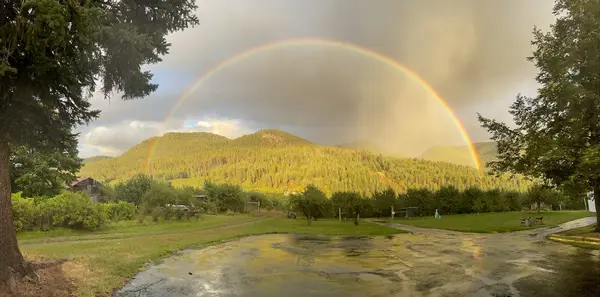
Big Sky country. Glacier, the Bob, and the Yellowstone headwaters.
About Montana
Best time to go
When to visit Montana farms
June through October.
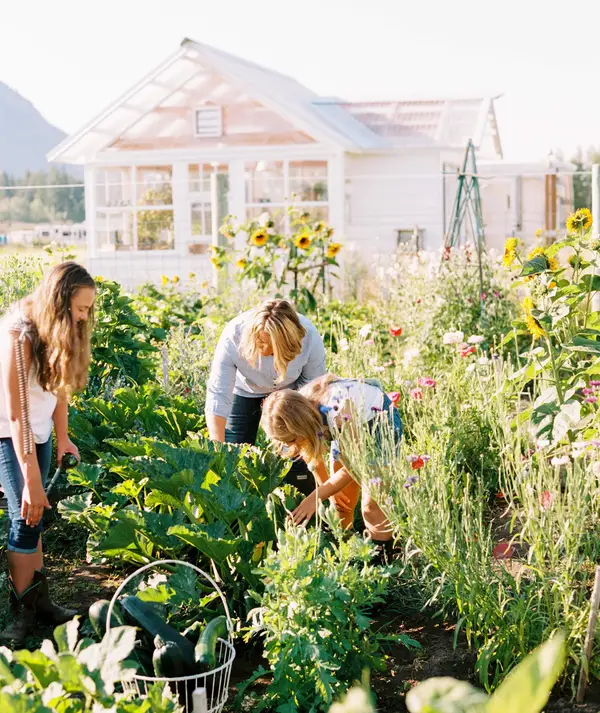
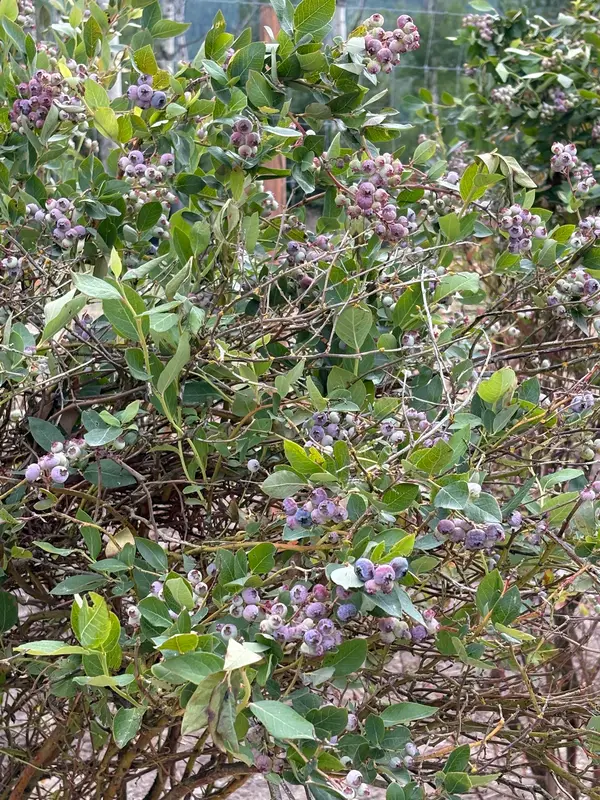
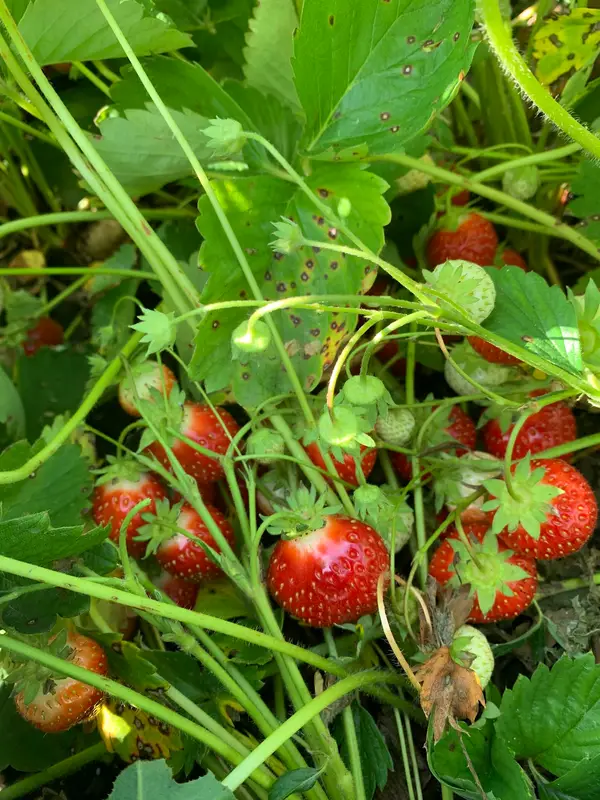
- June–August: berries, lavender, and long farm-stand days
- September–October: crush season in wine country and the apple harvest
- California’s mild winters keep farm stays and citrus going year-round
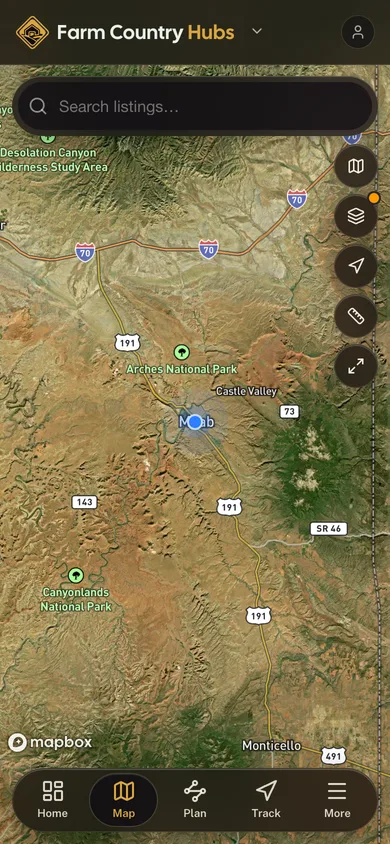
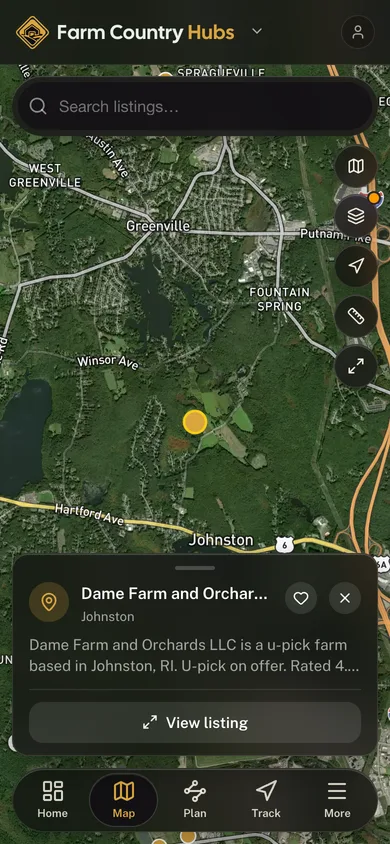
22 on the map
Tap a pin to open its profile.
Quick facts
- Farms listed
- 22
- Best season
- June through October
All listings
22 farms
across Montana
Plan your trip
Plan your trip to Montana
Agritourism Liability Protection
Montana folds agritourism into its Recreation Responsibility Act (MCA 27-1-751 through 27-1-754). The Act provides that a participant assumes the inherent risks of the activity by operation of law; it imposes no warning-sign posting requirement, though operators commonly use written waivers. Visitors engaging in agritourism activities assume the inherent risks.
On-Farm Food Sales and Cottage Food Laws
Montana's cottage food laws and direct marketing regulations allow farms to sell certain homemade food products directly to consumers without extensive permitting, provided specific labeling and production guidelines are met. For other on-farm food sales, such as processed items, standard food safety and licensing requirements may apply, varying by product and volume.
Winery and Brewery Licensing
Farms operating wineries or craft breweries in Montana require specific licenses from the Montana Department of Revenue, Alcohol Beverage Control Division, to produce, sell, and offer tastings on-site. These licenses ensure compliance with state alcohol laws regarding production, sales hours, and consumption.
Pick-Your-Own and Corn Maze Safety
When visiting U-pick operations or corn mazes, always follow the farm's posted rules and instructions. Wear appropriate footwear and clothing for outdoor conditions, and be aware of uneven terrain, farm equipment, and potential allergens. Children should be supervised closely at all times.
Farm Wedding and Event Venue Zoning
Farmers planning to host weddings or large events on their property should verify local county zoning regulations and permitting requirements. These can vary significantly by county and may dictate aspects such as capacity, parking, noise, and necessary facilities, materially shaping what an operator can offer as a venue.
Confirm current requirements with the state agency before your trip. Rules and fees change every season.
Agritourism Warning Notice
Montana's Recreation Responsibility Act does not require agritourism operators to post warning notices; participants assume the activity's inherent risks by operation of law, and operators commonly use written waivers that spell out those risks. Visitors should be aware that their participation implies acceptance of these inherent risks as outlined by state law.
Montana LegislatureDirect Farm Food Sales Compliance
While Montana allows direct sales of certain farm products, operators must comply with specific food safety and labeling requirements set by the Montana Department of Public Health and Human Services. Visitors purchasing food directly from farms should inquire about these standards if they have concerns.
Alcohol Beverage Control Licensing
Any farm operating a winery, brewery, or distillery that offers tastings or sales of alcoholic beverages must possess the appropriate licenses from the Montana Department of Revenue's Alcohol Beverage Control Division. These licenses regulate aspects such as production volume, retail sales, and on-premises consumption.
Local Event Permitting
For farm wedding venues or other large public events, local county or municipal permits may be required. These permits often cover aspects like public safety, sanitation, traffic management, and noise, and are essential for legal operation. Visitors attending such events should expect operators to have secured necessary local approvals.
- 01
Identify Your Interests
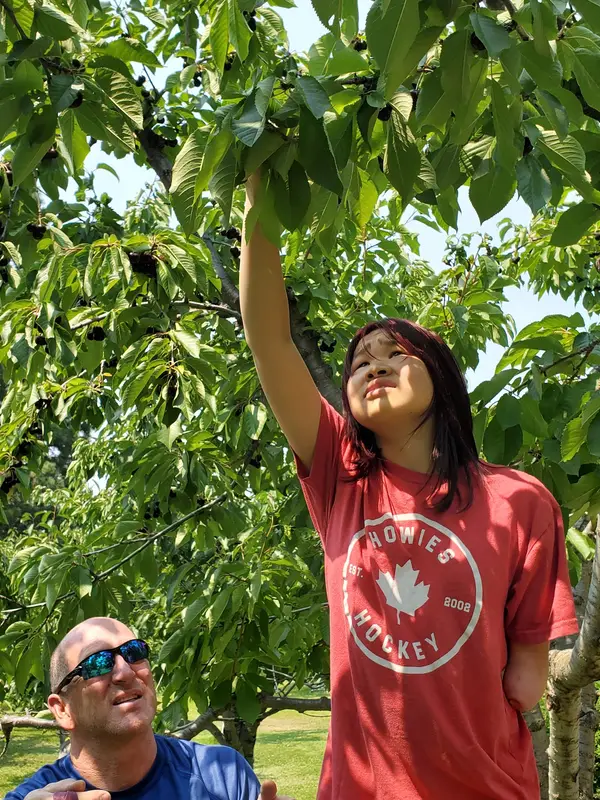
Decide what you're after: a bucket of cherries, a week on a ranch, a tasting room, a wedding site. The state's big enough that the answer determines where you point the truck.
- 02
Research Specific Farms and Venues
Work through online directories like Farm Country Hubs, local tourism sites, and farm association listings to find the farms, ranches, vineyards, or breweries that match what you want.
- 03
Check Seasonal Availability and Operating Hours
Everything here runs on the crop calendar. Confirm hours, U-pick status, event dates, and reservation requirements before you drive, fruit doesn't wait, and neither do most farms.
- 04
Plan Logistics and Accommodations
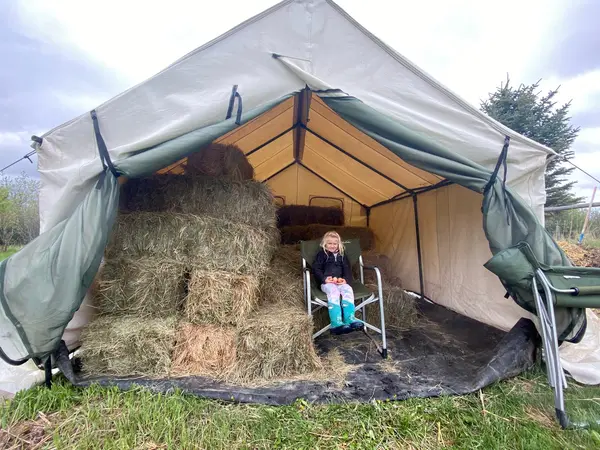
Distances are long and services thin between towns. Sort your transportation, and book farm lodging or nearby rooms well ahead if you're coming in peak season.
- 05
Understand Local Guidelines and Safety
Read the farm's posted rules, follow staff instructions, and know that Montana's agritourism liability law puts the inherent risks of a working farm on the visitor.
01Are reservations typically required for agritourism visits in Montana?
02What types of produce are commonly available for U-pick in Montana?
03Can I bring my pets to agritourism sites in Montana?
04Are farm stays in Montana suitable for families with children?
05What should I wear when visiting a working farm or U-pick orchard?
06How do I find farms that host weddings or other events in Montana?
Free tools
Your free outdoor toolkit

Everything Map
Listings, trails, spots, clubs and public land on a single full-screen map. Switch layers on and off, then tap any point for the details.
Open Everything MapRoute Planner
Drop stops on a map and watch distance and drive time add up. Export a GPX or share the link.
Open Route PlannerFarm Groups
Browse local clubs with meeting info and how to join, or start your own for free.
Open Farm GroupsPhoto ID
Point your camera at whatever you found and get a structured identification. No signup.
Open Photo IDGear Checklists
Printable, save-as-you-go packing lists. Tick items off and pull them up on your phone.
Open Gear ChecklistsMaintenance Schedules
Pick your machine and get its full service schedule. Add your hours to turn intervals into dates.
Open Maintenance Schedules

Keep exploring