Farms & Vineyards · Washington
Farms & Vineyards in Washington
Visit 29 farms across Washington. Maps, hours, contact info, photos, and verified operator profiles, all in one place.
North Cascades, the Olympics, and 3,000 miles of saltwater coastline.
About Washington
Best time to go
When to visit Washington farms
June through October.
- June–August: berries, lavender, and long farm-stand days
- September–October: crush season in wine country and the apple harvest
- California’s mild winters keep farm stays and citrus going year-round
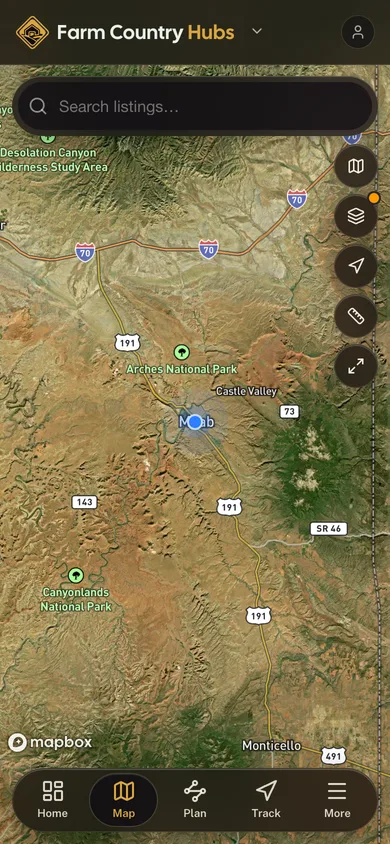
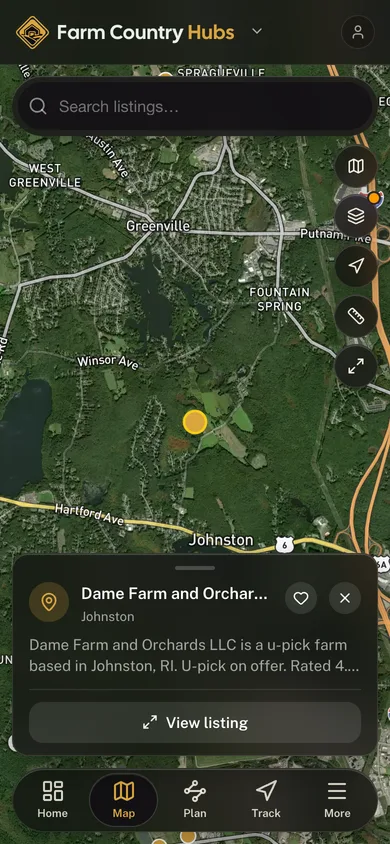
29 on the map
Tap a pin to open its profile.
Quick facts
- Farms listed
- 29
- Best season
- June through October
All listings
29 farms
across Washington
Plan your trip
Plan your trip to Washington
Agritourism Liability Law
Washington has specific legislation (RCW 4.24.830-.840) limiting the liability of agritourism operators for inherent risks associated with farm activities. Visitors engaging in agritourism activities implicitly assume certain risks, so it is important to be aware of posted warnings and follow all instructions.
On-Farm Food Sales
Farms in Washington often sell produce, baked goods, and other processed foods directly to consumers. These sales are subject to state and local food safety regulations, including cottage food operations for certain home-prepared items. Confirm with the farm about their specific certifications or licenses.
Winery and Brewery Licensing
On-farm tasting rooms and sales of wine, beer, and cider require specific licenses from the Washington State Liquor and Cannabis Board (WSLCB). Visitors should expect licensed establishments to adhere to state alcohol laws, including age verification and responsible service.
Pick-Your-Own Safety
When participating in U-pick activities or corn mazes, visitors should wear appropriate footwear, stay within designated areas, and follow all farm rules. Farm environments contain uneven terrain, working equipment, and natural elements, so vigilance is essential for safety.
Farm Wedding Venue Zoning
The ability of a farm to host weddings and events is often determined by local county zoning ordinances. These regulations can impact the scale, type, and frequency of events an agritourism operator can offer, influencing venue availability and amenities.
Confirm current requirements with the state agency before your trip. Rules and fees change every season.
Age for Alcohol Consumption
Visitors must be 21 years of age or older to consume or purchase alcoholic beverages at farm wineries, breweries, or cideries in Washington. Operators are legally required to verify age with valid identification.
Agritourism Activity Risk Acknowledgment
While not a permit, visitors engaging in agritourism activities in Washington are presumed to have acknowledged and accepted the inherent risks outlined by the state's agritourism liability law (RCW 4.24.830-.840). Always read and respect posted warnings and instructions from the farm operator.
On-Farm Food Safety Expectations
When purchasing food directly from a farm, visitors should expect products to meet Washington State Department of Agriculture (WSDA) food safety standards. While visitors don't need a license, understanding that farms operate under these regulations ensures consumer confidence.
Pick-Your-Own Conduct
Visitors participating in U-pick or other hands-on farm activities are expected to follow specific farm guidelines, which often include rules on handling produce, staying on marked paths, and respecting farm property. These are critical for both visitor safety and farm operations.
- 01
Define Your Agritourism Interest
Pick your lane first: U-pick, wine tasting, a farm stay, or a farm event. In a state this varied, the choice decides which side of the mountains you're headed.
- 02
Research Specific Farms or Regions
Use directories like Farm Country Hubs to match interests to regions (the Skagit Valley for berries, the Columbia Valley for wine), and build a shortlist from there.
- 03
Check Seasonal Availability
Harvest windows move around from year to year. Confirm when the U-pick crop you want is actually ripe, and when festivals and vineyard tours are running.
- 04
Confirm Operating Hours and Reservations
Call or check the website before you drive out. Hours change with the season, and some farms want reservations or have specific arrival instructions.
- 05
Plan Your Route and Accommodations
Distances between farms can be long, especially east of the Cascades. Map the drive honestly and book farm stays or nearby lodging early in peak season.
01Are pets allowed at Washington agritourism sites?
02What should I wear or bring for a U-pick farm visit?
03Are most farms in Washington accessible for individuals with mobility challenges?
04Can I purchase farm products directly from the farm?
05Do I need to make reservations for farm visits or tastings?
06What is the best time of year to experience agritourism in Washington?
Free tools
Your free outdoor toolkit

Everything Map
Listings, trails, spots, clubs and public land on a single full-screen map. Switch layers on and off, then tap any point for the details.
Open Everything MapRoute Planner
Drop stops on a map and watch distance and drive time add up. Export a GPX or share the link.
Open Route PlannerFarm Groups
Browse local clubs with meeting info and how to join, or start your own for free.
Open Farm GroupsPhoto ID
Point your camera at whatever you found and get a structured identification. No signup.
Open Photo IDGear Checklists
Printable, save-as-you-go packing lists. Tick items off and pull them up on your phone.
Open Gear ChecklistsMaintenance Schedules
Pick your machine and get its full service schedule. Add your hours to turn intervals into dates.
Open Maintenance Schedules