Farms & Vineyards · Rhode Island
Farms & Vineyards in Rhode Island
Visit 19 farms across Rhode Island. Maps, hours, contact info, photos, and verified operator profiles, all in one place.
Narragansett Bay, the Block Island Sound, and 400 miles of coast.
About Rhode Island
Best time to go
When to visit Rhode Island farms
May through October.
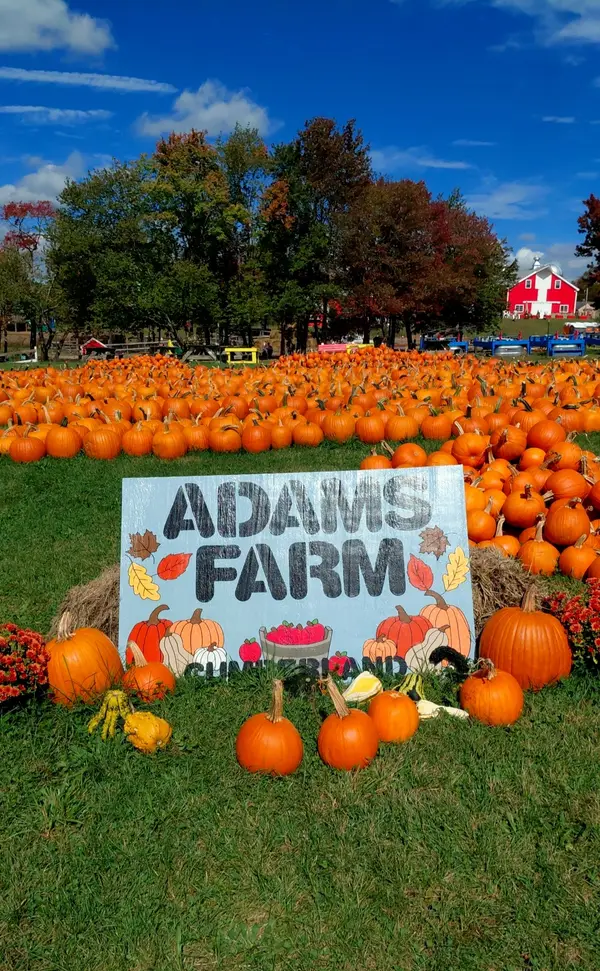
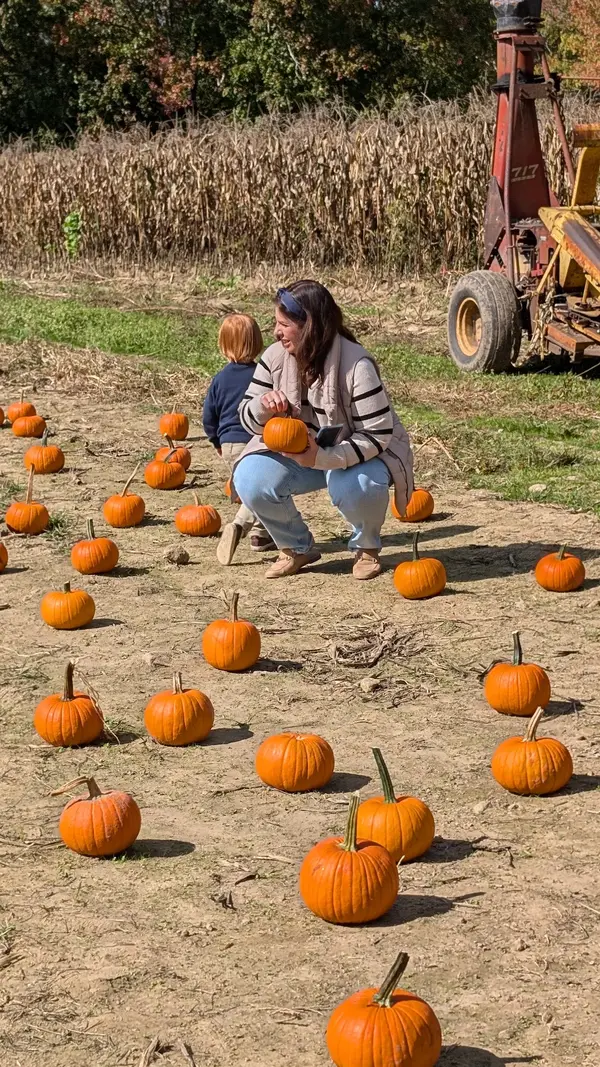
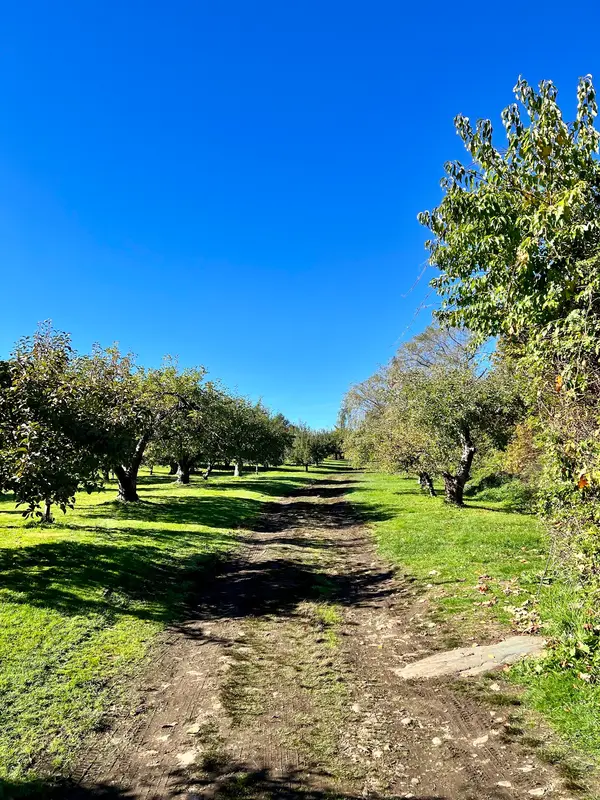
- September–October: apple picking, cider, corn mazes, and foliage all at once
- Late February–March: maple sugarhouses open for the boil
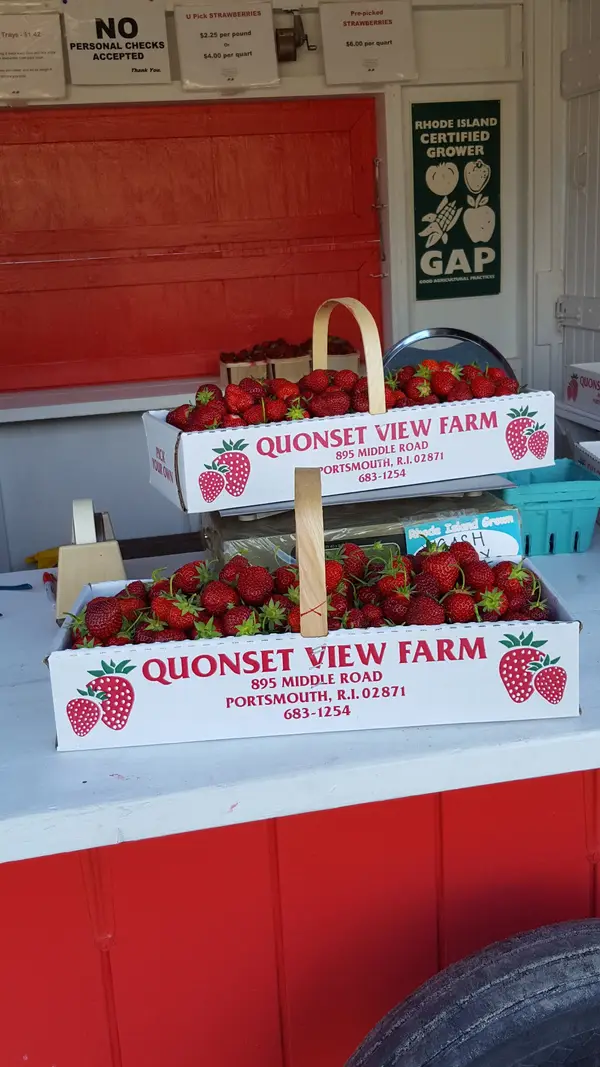
- June–July: strawberry then blueberry u-pick
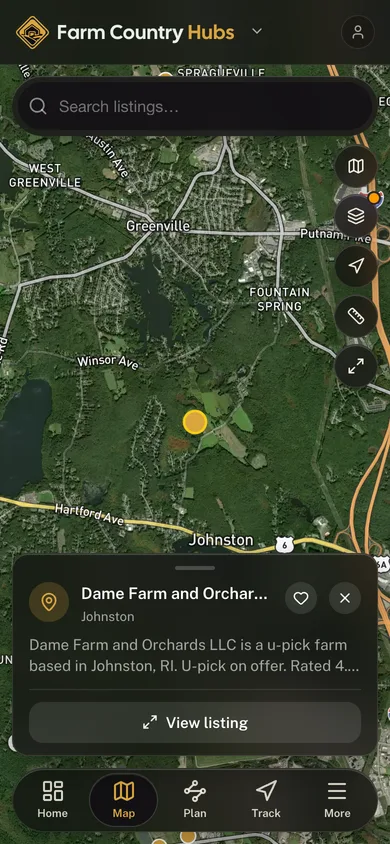
19 on the map
Tap a pin to open its profile.
Quick facts
- Farms listed
- 19
- Best season
- May through October
All listings
19 farms
across Rhode Island

Plan your trip
Plan your trip to Rhode Island
No State Agritourism Liability Statute
Rhode Island has not enacted an agritourism liability statute: despite bills introduced in recent years, none has passed, so the state is not among the roughly two-thirds that grant farm operators statutory immunity for the inherent risks of farm activities. Operators here manage visitor-injury risk through general premises-liability principles, well-drafted liability waivers, clearly posted warnings, and adequate insurance rather than a dedicated state law.
On-Farm Food Sales and Cottage Food
Direct sales of unprocessed agricultural products (fruits, vegetables, eggs) from farms are generally permitted. For processed foods, Rhode Island remains one of the more restrictive states, but since November 2022 any resident, not just registered farmers, can hold a Cottage Food Manufacturer license and produce from a home kitchen (no commercial kitchen required). The license is limited to nonperishable baked goods; confirm current products and sales limits with the RI Department of Health.
Winery and Brewery Licensing
On-farm wineries and breweries in Rhode Island require specific state licenses from the Department of Business Regulation, Division of Liquor Control, to produce, sell, and offer tastings of alcoholic beverages. These licenses dictate permissible sales volumes, hours of operation, and on-site consumption rules.
Pick-Your-Own and Corn Maze Safety
While enjoying U-pick fields or corn mazes, visitors should always follow farm-specific safety instructions. This includes staying on designated paths, wearing appropriate footwear, supervising children, and being aware of uneven terrain, farm equipment, and natural elements.
Farm Wedding Venue Zoning
Establishing a farm as a wedding or event venue often requires specific zoning permits and approvals from the local municipality. These regulations can vary significantly by town and may involve considerations for parking, noise, wastewater, and occupancy limits, which can influence a venue's capacity and offerings.
Confirm current requirements with the state agency before your trip. Rules and fees change every season.
Age for Alcohol Consumption
Visitors must be 21 years of age or older to purchase or consume alcoholic beverages at vineyard tasting rooms, farm breweries, or any licensed establishment in Rhode Island. Valid identification is required.
Agritourism Activity Risk Acknowledgment
Rhode Island has not enacted an agritourism liability act, so no state statute deems visitors to have accepted inherent risks or requires operators to post warning signs. Many farms still post clear warnings and use signed liability waivers as sound practice, steps that help under general premises-liability law even without a dedicated statute.
Adherence to Farm-Specific Rules
While not a state-level permit, all visitors are formally required to adhere to the specific rules and guidelines posted by individual farms, vineyards, or agritourism venues. These rules often relate to safety, animal interaction, property boundaries, and the preservation of agricultural operations.
- 01
Identify Your Interests
U-pick fruit, a vineyard tour, a farm stay, or a venue for the big day, each points you toward different farms, so decide what the trip is for before you start searching.
- 02
Research Specific Destinations
Use directories like Farm Country Hubs and the farms' own websites to shortlist the operations that match your plans and your corner of the state.
- 03
Check Operating Hours and Availability
U-pick farms run on seasonal hours and the whims of weather, a rainy week can close a field. Confirm current schedules and reserve ahead for tastings or stays.
- 04
Plan Your Route and Logistics
The state is small, but grouping stops by region still saves time. Sort out where you're sleeping early if the plan involves multiple days or a farm stay.
- 05
Prepare for Your Visit
Sturdy shoes, farm-appropriate clothes, water, sun protection, and some cash for the smaller stands. Then follow whatever rules the farm posts at the gate.
01Are pets allowed at Rhode Island farms and vineyards?
02What is the best time of year to visit for U-pick experiences?
03Do I need reservations for vineyard tastings or farm tours?
04Are Rhode Island farm stays suitable for families with children?
05What payment methods are typically accepted at farm stands and U-pick operations?
06Can I purchase local produce and products directly from farms?
Free tools
Your free outdoor toolkit

Everything Map
Listings, trails, spots, clubs and public land on a single full-screen map. Switch layers on and off, then tap any point for the details.
Open Everything MapRoute Planner
Drop stops on a map and watch distance and drive time add up. Export a GPX or share the link.
Open Route PlannerFarm Groups
Browse local clubs with meeting info and how to join, or start your own for free.
Open Farm GroupsPhoto ID
Point your camera at whatever you found and get a structured identification. No signup.
Open Photo IDGear Checklists
Printable, save-as-you-go packing lists. Tick items off and pull them up on your phone.
Open Gear ChecklistsMaintenance Schedules
Pick your machine and get its full service schedule. Add your hours to turn intervals into dates.
Open Maintenance Schedules

Keep exploring