Farms & Vineyards · Hawaii
Farms & Vineyards in Hawaii
Visit 13 farms across Hawaii. Maps, hours, contact info, photos, and verified operator profiles, all in one place.
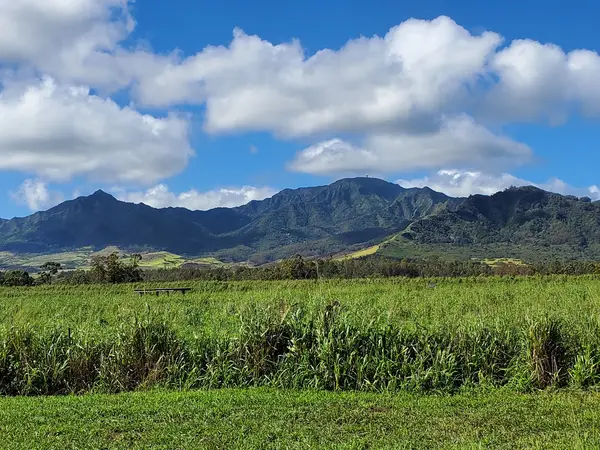
Volcanic peaks rising 13,000 feet from a tropical Pacific.
About Hawaii
Best time to go
When to visit Hawaii farms
Year-round. Winter brings the biggest North Pacific surf.
- June–August: berries, lavender, and long farm-stand days
- September–October: crush season in wine country and the apple harvest
- California’s mild winters keep farm stays and citrus going year-round
13 on the map
Tap a pin to open its profile.
Quick facts
- Farms listed
- 13
- Best season
- Year-round
All listings
13 farms
across Hawaii
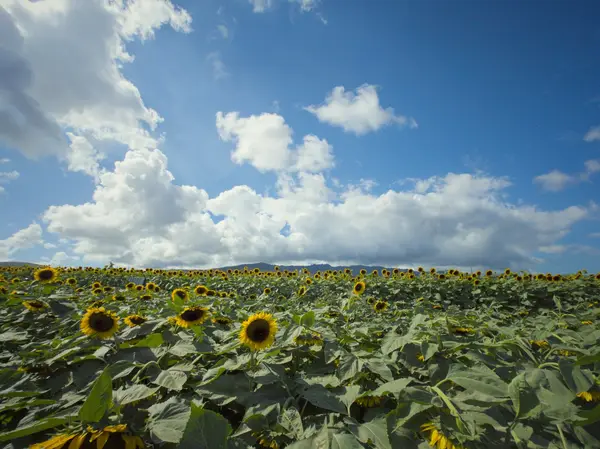
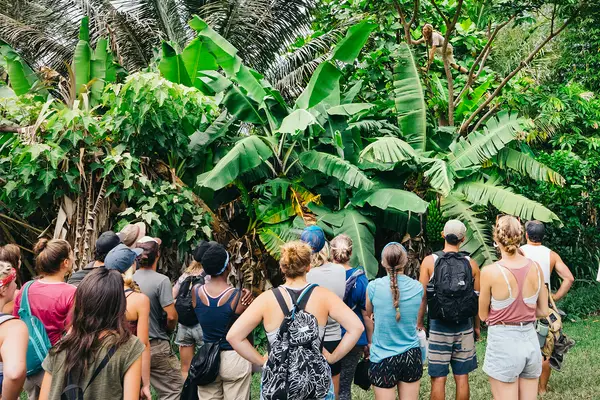
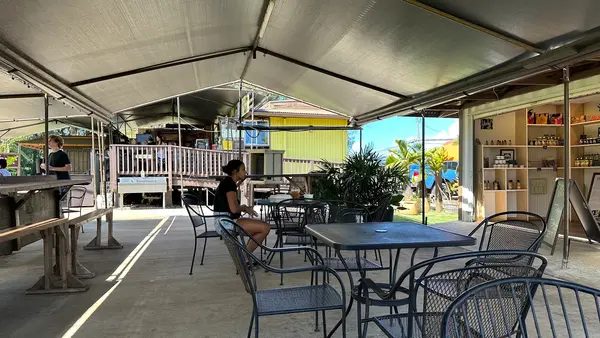
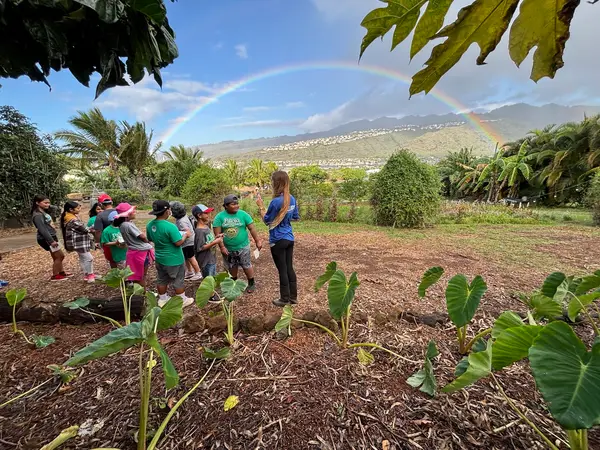
Plan your trip
Plan your trip to Hawaii
Hawaii Agritourism Liability Law
Hawaii has no dedicated agritourism liability statute. Farm operators generally rely on the state's recreational activity liability law (Hawaii Revised Statutes § 663-1.54), under which an operator is shielded from liability for a participant's injury from an activity's inherent risks only when the participant signs a written waiver after being fully informed of those risks, a posted warning sign alone does not trigger the protection. Visitors should always be aware of and respect posted warnings and farm rules.
Cottage Food and On-Farm Sales
Hawaii has regulations concerning cottage food operations and on-farm sales of agricultural products. While direct sales of whole, unprocessed farm products are generally permitted, processed foods may fall under specific cottage food laws or require permits from the Department of Health. Visitors purchasing items directly from farms should ensure products are properly labeled and prepared according to local guidelines, which can vary by county.
Winery and Brewery Licensing
Wineries and breweries operating on farms in Hawaii must adhere to state and county licensing requirements for production, sales, and on-site consumption. These regulations ensure product safety and responsible alcohol service. Visitors can expect tasting rooms to operate within established legal hours and follow age verification protocols.
Pick-Your-Own (U-Pick) Safety
Participating in U-pick activities requires adherence to farm safety guidelines. This often includes instructions on how to properly pick produce, designated picking areas, and awareness of farm equipment or natural hazards. Always wear appropriate footwear, stay hydrated, and follow the instructions provided by farm staff to ensure a safe and enjoyable experience.
Farm Wedding and Venue Zoning
For agritourism operators hosting weddings or events, specific county zoning and permitting regulations apply to ensure compliance with land use, public safety, and environmental standards. These rules can influence the scale and type of events a farm can offer. Prospective couples should verify all necessary permits and licenses are in place with their chosen farm venue.
Confirm current requirements with the state agency before your trip. Rules and fees change every season.
Agricultural Inspection upon Arrival
All passengers arriving in Hawaii, including those from the U.S. mainland, are subject to agricultural inspection by the Hawaii Department of Agriculture (HDOA). This is to prevent the introduction of invasive species. Undeclared plants, animals, or agricultural items may be confiscated or subject to fines. Always declare any agricultural items you are carrying.
Hawaii Department of AgricultureRestrictions on Bringing Produce/Plants
Bringing certain fruits, vegetables, plants, and animals into Hawaii is strictly regulated to protect the state's unique ecosystem from pests and diseases. Many common items are prohibited, while others require permits or specific certifications. Verify permissible items before packing.
Hawaii Department of AgricultureRespect Farm Biosecurity Measures
Visitors to working farms should always respect and adhere to any biosecurity measures put in place by the operator. This may include washing hands, cleaning footwear, or refraining from bringing outside food or pets into certain areas. These measures protect the health of livestock and crops from potential contaminants.
- 01
Choose Your Island(s)
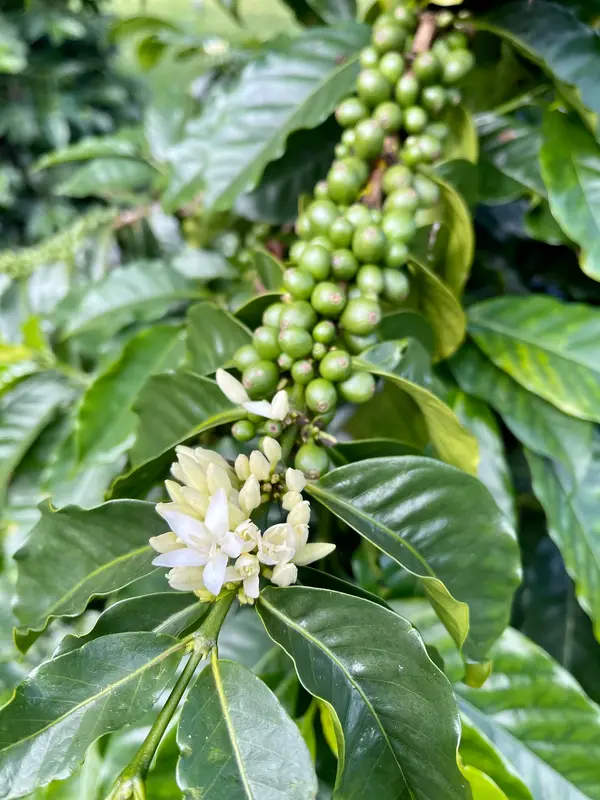
Each island farms differently: coffee on the Big Island, wine on Maui, tropical fruit on Oahu and Kauai. Decide what you most want to see and pick the island around it, not the other way around.
- 02
Research Specific Farms and Venues
With an island chosen, dig into the individual farms, vineyards, and venues. Compare what each offers (U-pick, tasting rooms, farm stays, wedding packages), and note operating hours before you build the itinerary.
- 03
Book Tours and Stays in Advance
The popular farm tours, tasting reservations, and farm stays fill up, especially during peak travel seasons. Book early rather than gambling on a walk-in.
- 04
Understand Biosecurity and Agricultural Rules
Hawaii inspects incoming agricultural items strictly, and individual farms may have their own biosecurity protocols. Know both before you arrive, the rules exist to keep invasive pests off the islands.
- 05
Plan for Transportation and Comfort
Most farms sit in rural areas, so plan on a rental car. Pack closed-toe shoes, sun protection, and rain gear, island weather can turn in the space of a farm tour.
01What types of farms can I visit in Hawaii?
02Are there U-pick opportunities for tropical fruits?
03Can I bring agricultural products home from Hawaii?
04Are farm stays available in Hawaii?
05Do Hawaii's farms host weddings or events?
06What is the best way to find farm-to-table dining experiences?
Free tools
Your free outdoor toolkit

Everything Map
Listings, trails, spots, clubs and public land on a single full-screen map. Switch layers on and off, then tap any point for the details.
Open Everything MapRoute Planner
Drop stops on a map and watch distance and drive time add up. Export a GPX or share the link.
Open Route PlannerFarm Groups
Browse local clubs with meeting info and how to join, or start your own for free.
Open Farm GroupsPhoto ID
Point your camera at whatever you found and get a structured identification. No signup.
Open Photo IDGear Checklists
Printable, save-as-you-go packing lists. Tick items off and pull them up on your phone.
Open Gear ChecklistsMaintenance Schedules
Pick your machine and get its full service schedule. Add your hours to turn intervals into dates.
Open Maintenance Schedules