A homestead woodpile is a different problem from a suburban one. If you heat with wood, fire a sugarhouse evaporator, or sell bundles to cabin guests, you are not splitting a face cord on a Saturday afternoon. You are moving three to twelve cords a year, usually alone, and often working with rounds you could not lift onto a table if you wanted to. That changes what matters. Tonnage is the spec everyone shops on and the one that matters least past about 25 tons, because very little on a small farm resists that much ram pressure. What actually decides whether you finish the pile is cycle time, whether the machine will stand up so you can roll a heavy round into it instead of lifting, and how many times you have to touch each piece before it reaches the stack.
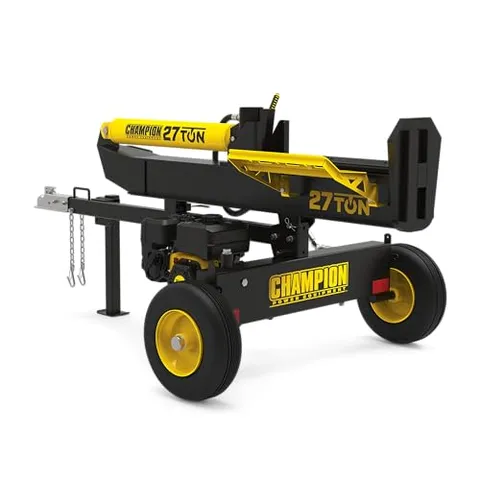
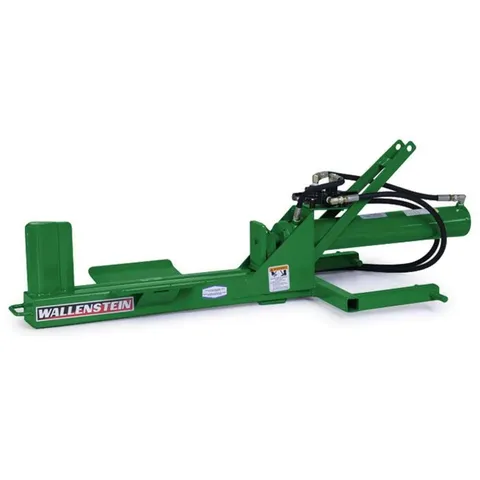
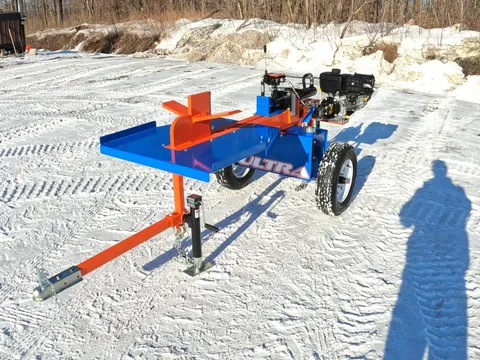
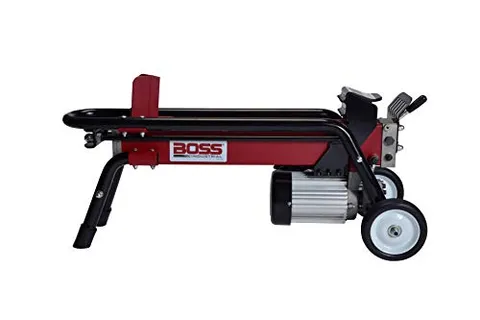
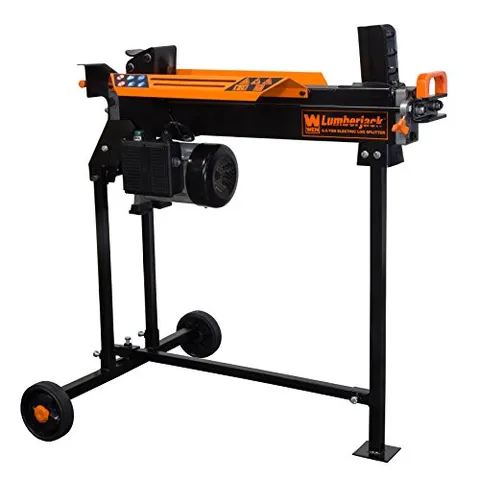
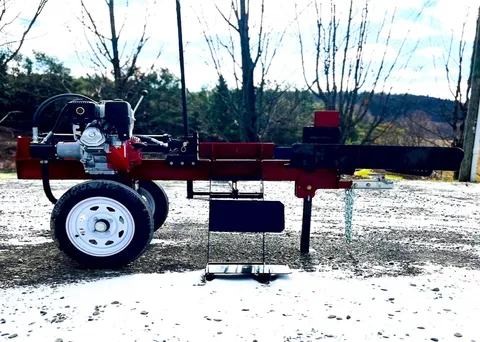
There are three ways to power a splitter, and they sort by what you already own. A 120 volt electric unit runs off a standard 15 amp circuit, is quiet enough to use inside a barn on a winter afternoon, and costs a few hundred dollars, but it tops out around 10 inch rounds and 14 to 20 second cycles. A gas engine on a towable frame is the default for most homesteads, generally 22 to 32 tons with a two stage pump and enough clearance to drag behind a UTV out to where the tree came down. If you already run a compact tractor, a three point hitch splitter is frequently the smarter purchase, because you are not buying a second engine, a second fuel system, and a second machine that refuses to start in March.
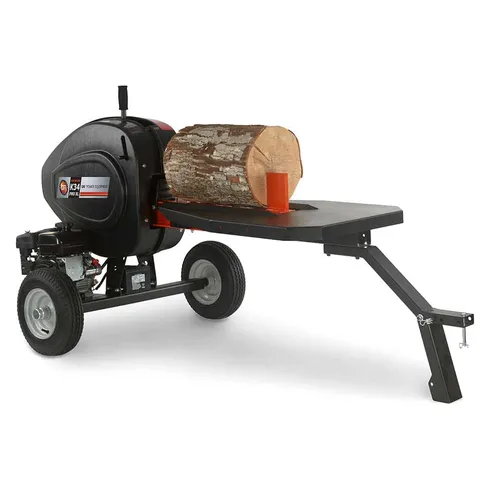
Two features earn their keep on a working property and get glossed over on spec sheets. Vertical operation lets you tip the beam upright and roll a round into position rather than deadlift it, which is the difference between processing big oak by yourself and waiting until someone can help. A four way wedge roughly halves your handling on straight grained wood and is the cheapest available way to raise output on a machine you already own. For agritourism operators selling firewood by the bundle, run the math on cycle time rather than tons. A nine second machine and an eighteen second machine differ by a full working day across a season of inventory, every season, forever.