Irrigation is the single highest-leverage system on a homestead or small farm: it decides whether your tomatoes split, whether the agritourism U-pick rows look photogenic in July, and whether you spend August evenings dragging hoses instead of resting. But the market is genuinely confusing. Big-box shelves are stocked with cheap hose-end gadgets, while "professional" drip suppliers sell à-la-carte parts that assume you already know what a 25-PSI pressure regulator is. Amazon's best-seller lists optimize for the cheapest impulse buy, not for the person trying to water a quarter-acre of mixed beds reliably for the next ten seasons.
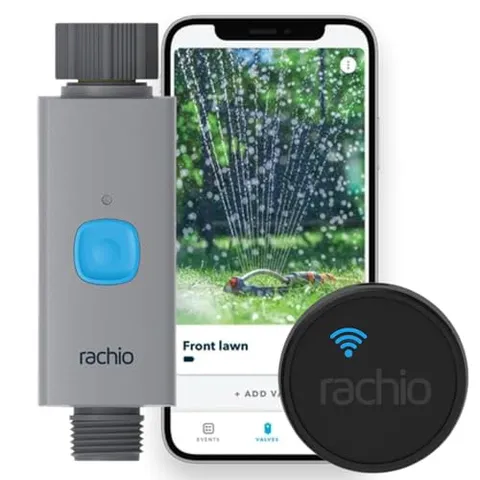
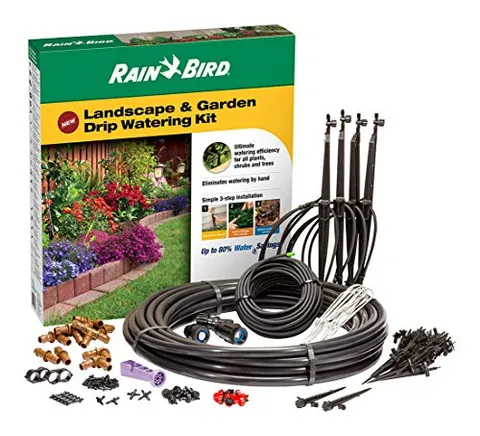
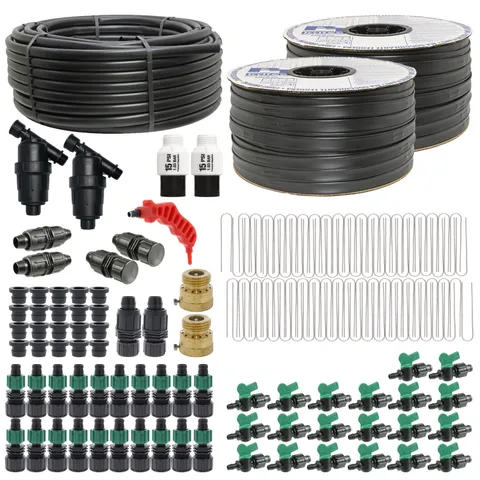
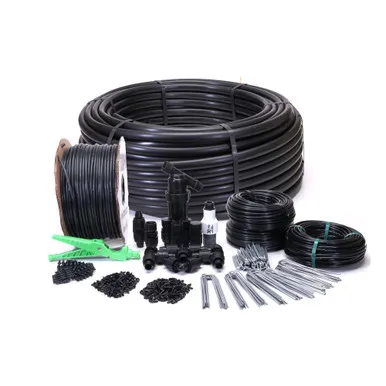
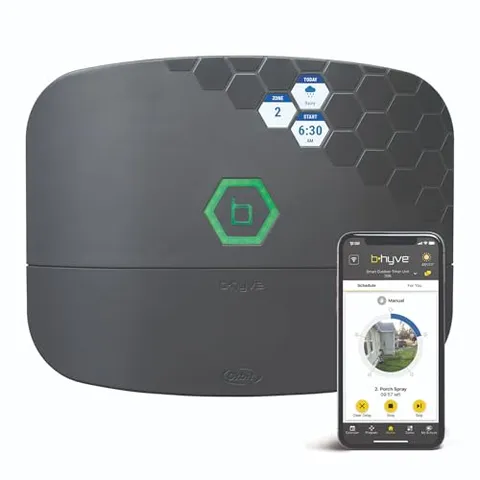
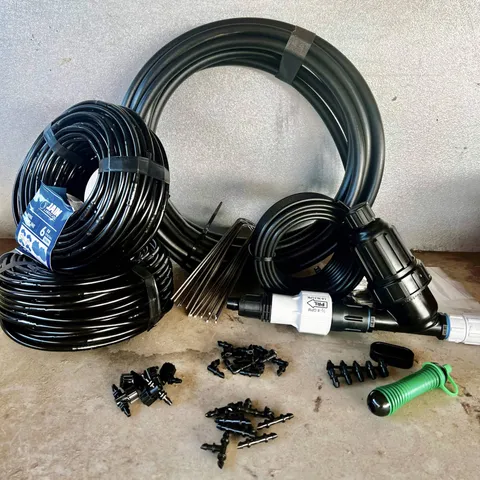
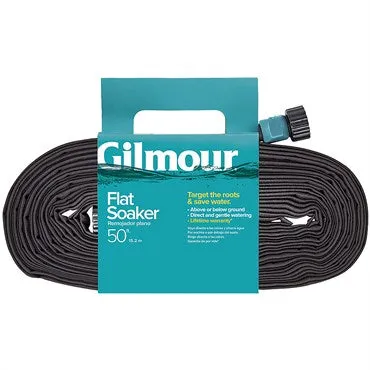
This guide is built around the way real producers actually scale: you usually start with one automated faucet and a single drip kit, then add zones, controllers, and bigger mainline as the operation grows. So we've spanned the full spectrum, from a $17 soaker hose and a $35 starter drip kit up to a 2,000-foot small-farm drip system and an 8-zone weather-aware controller that can run an entire property. Wherever possible we favored systems with a real pressure regulator and backflow preventer included, agricultural-grade tubing that survives multiple seasons, and brands (Rain Bird, Rachio, Orbit, Dripworks, Drip Depot, HOSS) that still sell replacement parts years later.
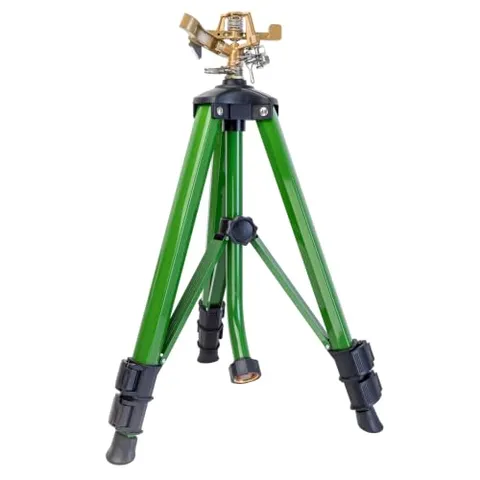
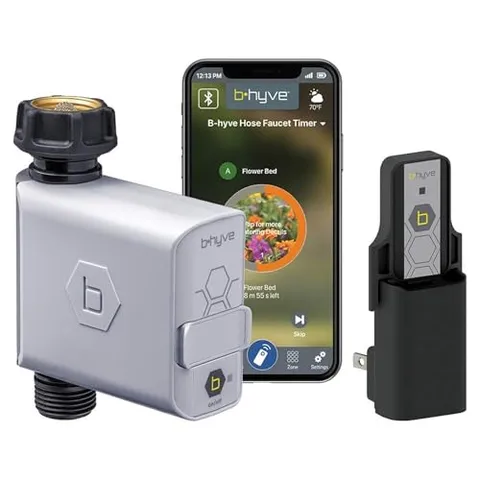
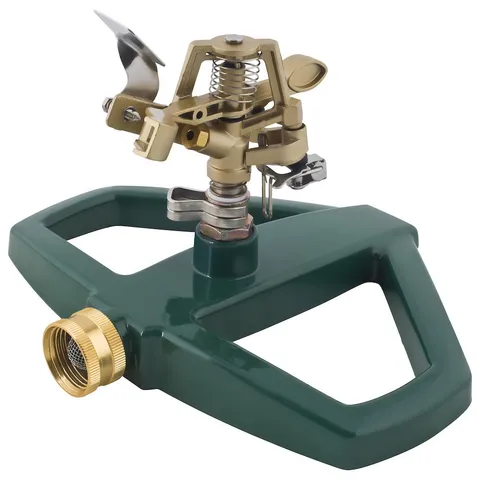
A few principles cut across every pick: drip and soaker delivery beats overhead sprinklers for vegetables and water bills (less evaporation, less foliar disease, 50–80% less water), but overhead impact sprinklers still earn their keep for pasture, cover crops, frost protection, and germinating broadcast-seeded beds. And almost everything here works better with a timer, automation is what turns irrigation from a daily chore into infrastructure.