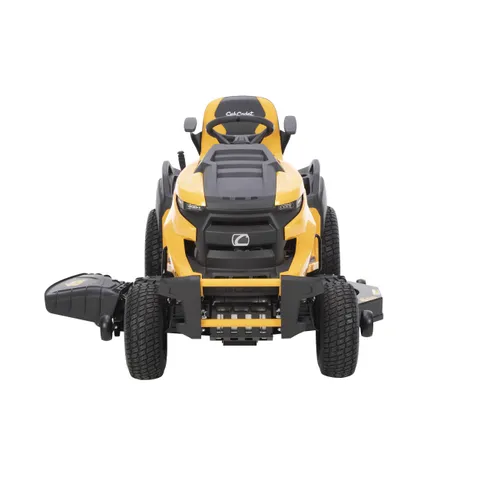
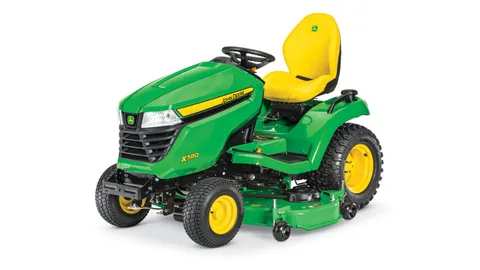
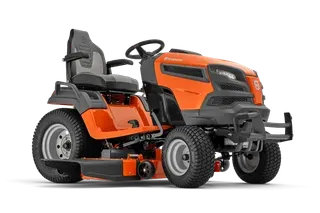
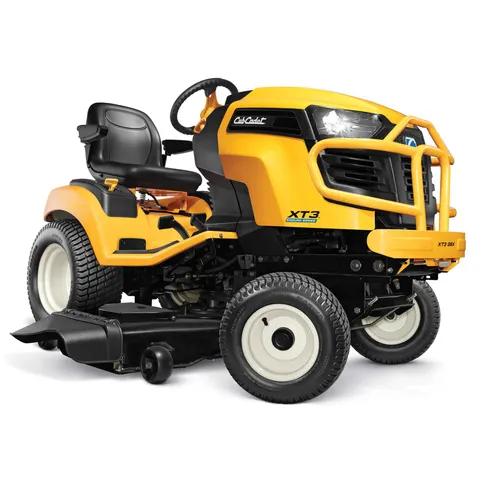
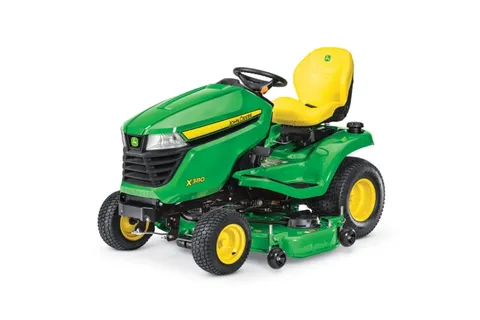
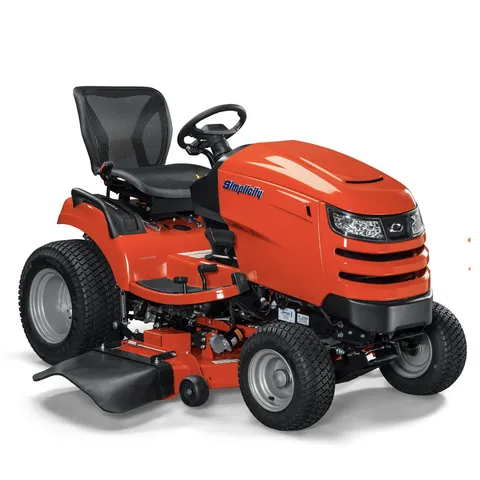
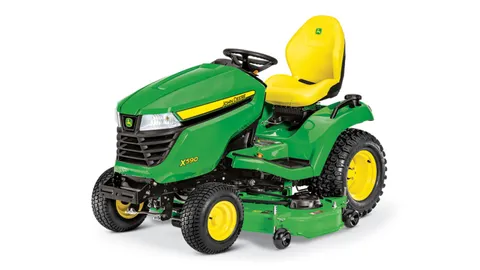
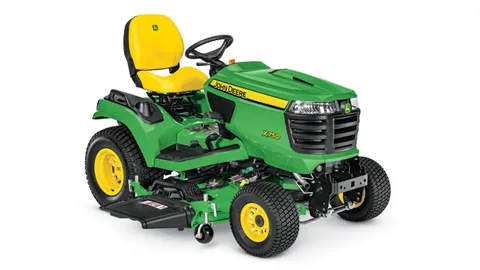
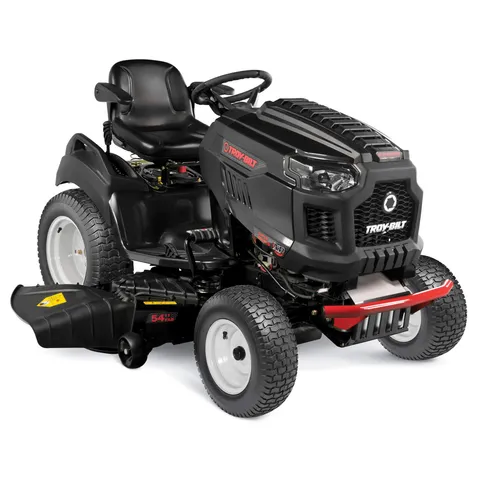
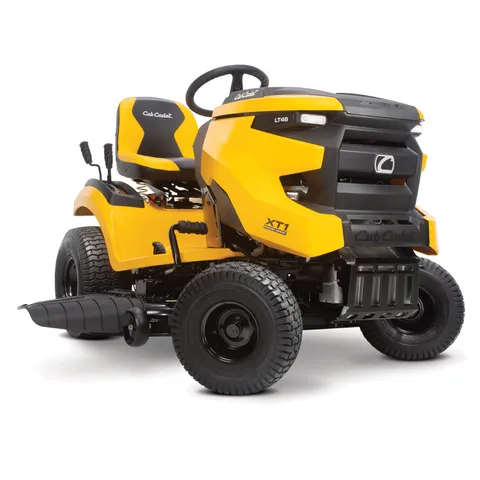
For a homesteader or small-farm operator, a garden tractor occupies the practical middle ground between a push mower and a 25-horsepower compact diesel. Unlike a light residential "riding mower," a true garden tractor carries a heavier frame, a fabricated (welded-steel) cutting deck, a stronger transmission, and the towing muscle to drag a loaded utility cart, a plug aerator, a dethatcher, a sleeve hitch with a tiller or moldboard plow, or a snow blade through a long winter. That versatility (mow the orchard rows in summer, haul compost and firewood year-round, clear the lane in winter), is exactly what makes it the workhorse of a 1-to-10-acre property that doesn't justify a full compact tractor.
The catch is that "garden tractor" is a loose label retailers stretch over everything from a $2,500 big-box rider to a $16,000 diesel with hydraulic steering and a power lift. The cheap end mows acreage fine but flexes under real ground-engaging loads; the high end is overkill if you only mow and tow. The job of a buying guide is to map that spectrum so you buy the capability you'll actually use, not the badge, and so you understand why two machines that both say "54-inch deck, 24 horsepower" can differ by $10,000.
This guide ranks ten genuinely available 2026 models across the price ladder, weighted toward the things that matter on a working property: deck construction, transmission and rear-end durability, towing and attachment ecosystem, traction (differential lock or AWD), and, critically for anyone who depends on the machine, local dealer support and parts availability.