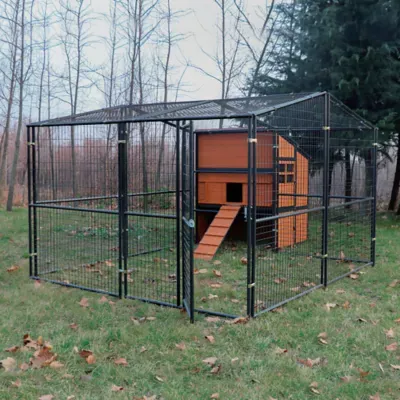
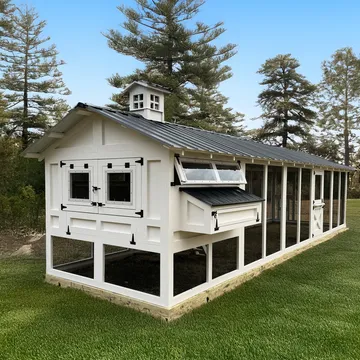
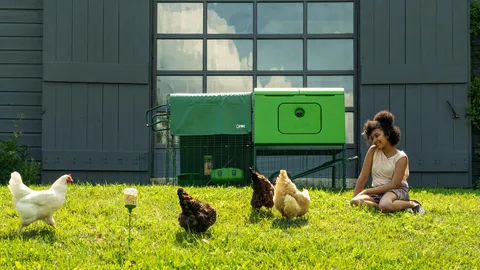
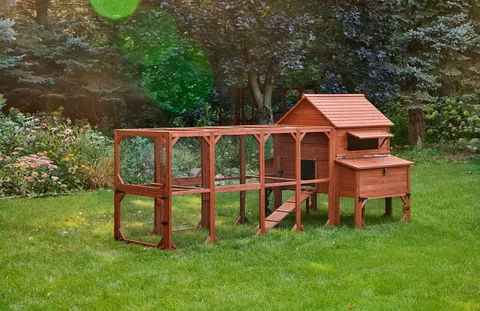
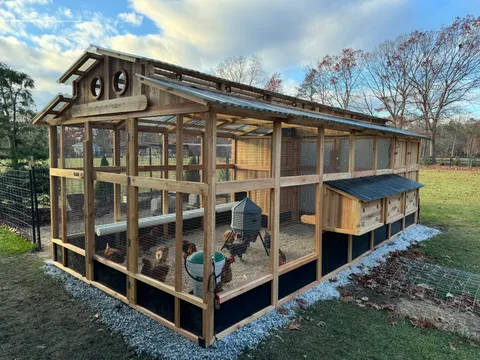
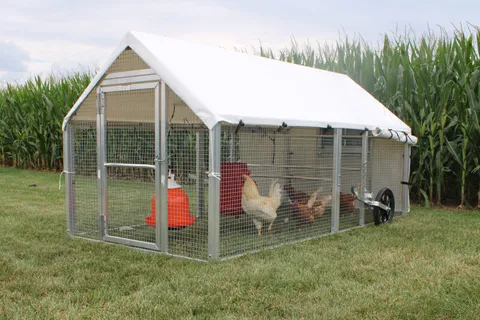
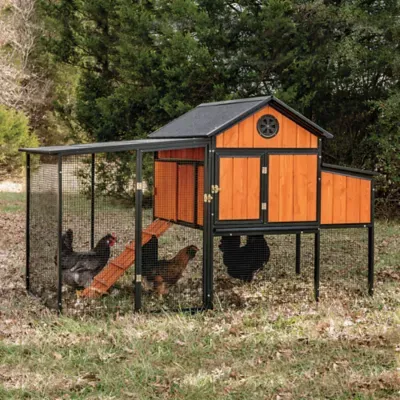
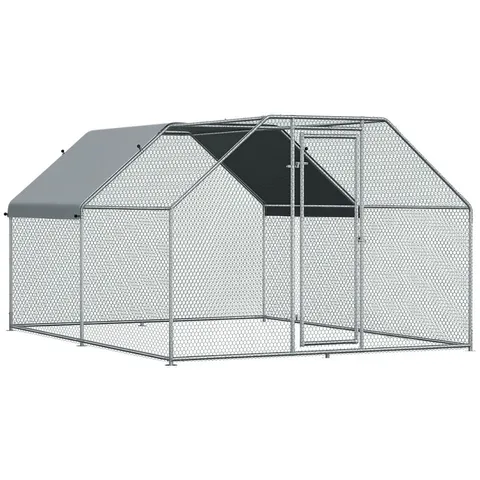
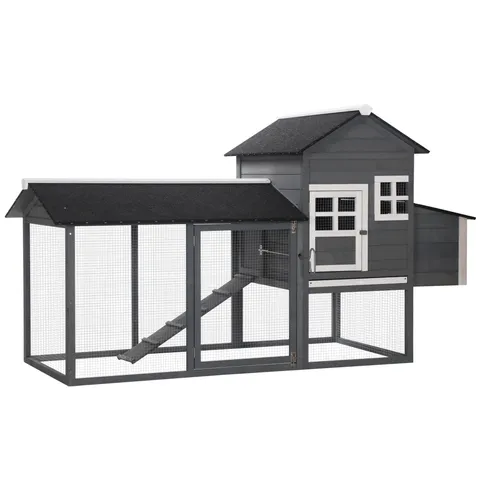
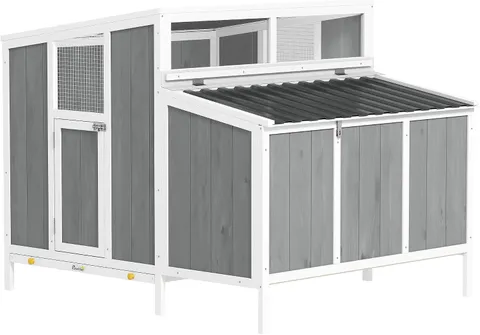
Buying a chicken coop for a homestead or small farm is nothing like buying one for a suburban backyard, and the big-box "holds up to 10 hens!" listings are where most new keepers get burned. A coop's advertised capacity almost always assumes birds that never go inside except to sleep and lay; the real-world rule keepers settle on is roughly 4 square feet of floor space per standard hen inside plus 8–10 in the run, which means a coop sold for "10 chickens" comfortably houses six. On a working homestead you also need things the cheap kits ignore entirely: a run you can actually walk into to clean, hardware cloth rather than chicken wire, predator-proof latches that defeat raccoons, and ventilation sized to flush ammonia and summer heat without creating a winter draft.
The market splits into three honest tiers. At the bottom are flat-pack wooden and metal coops in the $130–$450 range: fine as a starter, a grow-out pen, or a broody/quarantine box, but built from thin softwood or light tube steel that needs sealing, reinforcing, and anchoring before a determined predator tests it. The middle, roughly $800–$2,000, is where most serious small flocks land: sturdier prefab kits, walk-in runs, and the low-maintenance polymer coops that hose clean in minutes. The top tier ($3,000 well into five figures), is handcrafted cedar, deep-litter walk-in barns, solar auto-doors, and mobile pasture coops built to outlast the chickens and, for agritourism operators, to actually look good on a farm-stay listing.
This guide spans that whole spectrum on purpose. A reader running a six-hen egg supply for the household and a reader provisioning a 30-bird flock for a U-pick farm or a guest-facing agritourism property are solving very different problems, and the "best" coop is the one matched to the flock size, the predator pressure, and how much daily labor you want to trade for upfront cost.